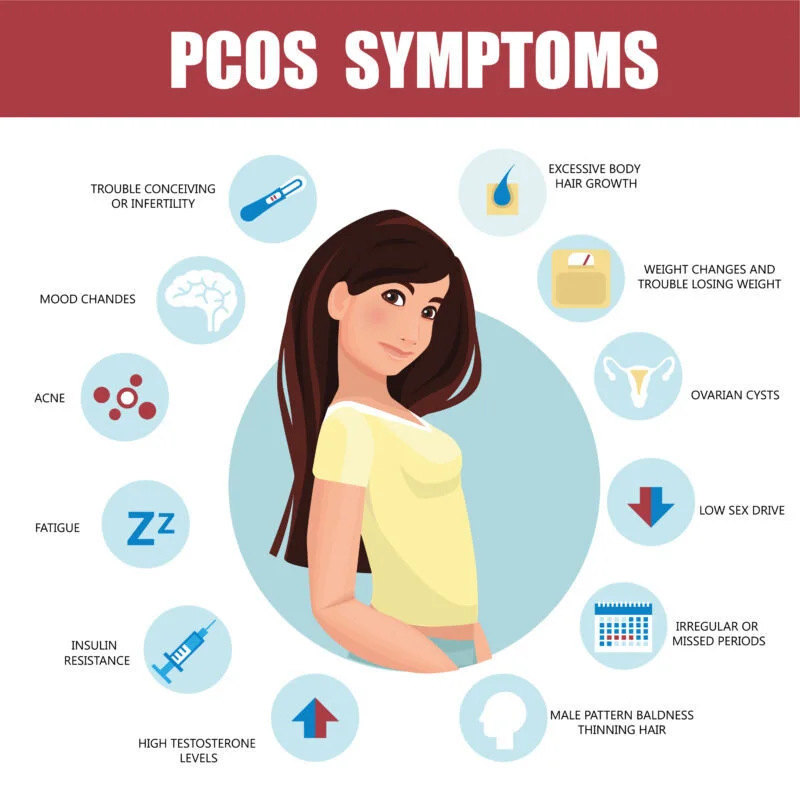

Polycystic Ovary Syndrome, commonly known as PCOS, is one of the most common hormonal disorders affecting women of reproductive age. Many women experience symptoms for years without realizing that they may have this condition. Understanding pcos symptoms early can help with timely diagnosis, proper treatment, and long-term health management.
PCOS affects hormones, menstrual cycles, fertility, metabolism, and even emotional well-being. While symptoms vary from person to person, recognizing the warning signs can make a significant difference in improving overall health and quality of life.
What is PCOS?
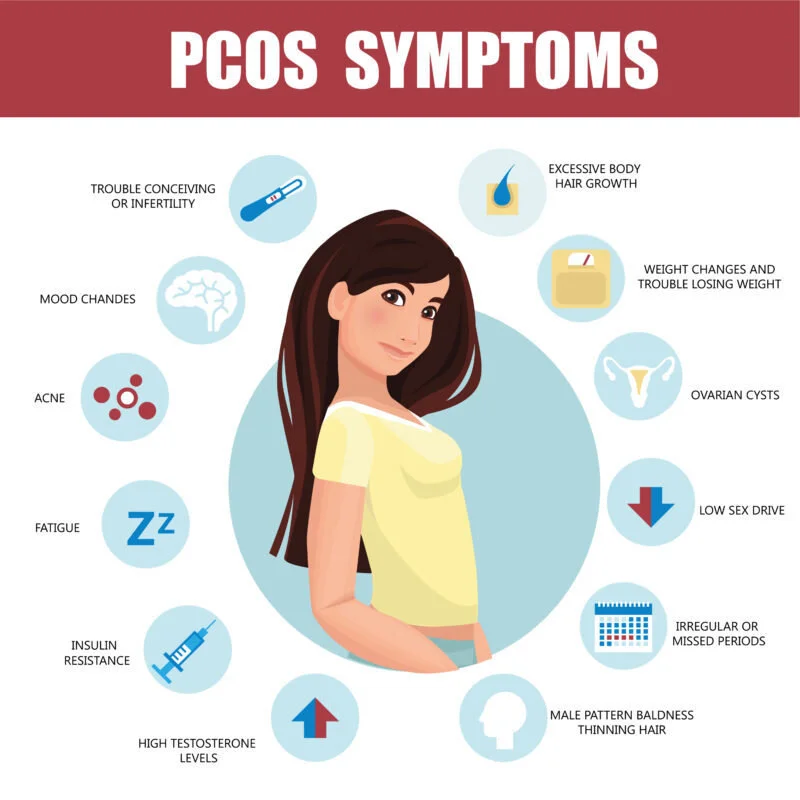
PCOS stands for Polycystic Ovary Syndrome. It is a hormonal imbalance that affects how the ovaries function. Women with PCOS may produce higher-than-normal levels of male hormones called androgens, which can interfere with ovulation and cause multiple health issues.
The exact cause of PCOS is still unknown, but factors such as genetics, insulin resistance, inflammation, and lifestyle may contribute to the condition.
Why Recognizing PCOS Symptoms Matters
Many women ignore irregular periods, acne, or unexplained weight gain, assuming these issues are normal. However, these can be early pcos symptoms that require medical attention.
If left untreated, PCOS can increase the risk of:
- Infertility
- Type 2 diabetes
- High blood pressure
- Heart disease
- Sleep apnea
- Anxiety and depression
- Endometrial cancer
Early diagnosis and lifestyle changes can help manage symptoms effectively.
Common PCOS Symptoms
Irregular Menstrual Periods
One of the most common signs of PCOS is irregular periods. Women with PCOS may:
- Miss periods frequently
- Have fewer than eight periods a year
- Experience unusually heavy bleeding
- Have unpredictable menstrual cycles
This happens because ovulation may not occur regularly.
Excessive Hair Growth
Excess facial or body hair growth is another common symptom. This condition is called hirsutism and occurs due to increased androgen levels.
Hair may appear on:
- Chin
- Upper lip
- Chest
- Abdomen
- Back
Many women find this symptom emotionally distressing.
Acne and Oily Skin
Hormonal imbalance caused by PCOS can lead to persistent acne, especially on the:
- Face
- Jawline
- Chest
- Upper back
Unlike regular acne, hormonal acne may be painful and difficult to treat.
Weight Gain and Difficulty Losing Weight
Many women with PCOS struggle with weight gain, especially around the abdomen. Insulin resistance often plays a major role in this issue.
Even with proper diet and exercise, losing weight can feel challenging for women dealing with pcos symptoms.
Hair Thinning or Hair Loss
While some women experience excessive hair growth on the body, others notice thinning hair on the scalp. This resembles male-pattern baldness and usually affects the crown area of the head.
Dark Patches on the Skin
Darkened skin patches, known as acanthosis nigricans, may appear around:
- Neck
- Underarms
- Groin
- Under the breasts
These patches are often linked to insulin resistance.
Difficulty Getting Pregnant
PCOS is one of the leading causes of infertility in women. Since ovulation may occur irregularly or not at all, conception can become difficult.
Many women discover they have PCOS only when trying to become pregnant.
Ovarian Cysts
Despite the name, not every woman with PCOS has ovarian cysts. However, some women may develop enlarged ovaries containing small fluid-filled sacs visible during an ultrasound examination.
Mood Changes and Mental Health Issues
Hormonal imbalance can also affect emotional health. Women with PCOS may experience:
- Anxiety
- Depression
- Mood swings
- Low self-esteem
Symptoms such as acne, weight gain, and unwanted hair growth can impact confidence and emotional well-being.
Fatigue
Persistent tiredness is another commonly overlooked symptom. Hormonal imbalance, poor sleep quality, insulin resistance, and mental stress can all contribute to fatigue.
Early Warning Signs of PCOS
Some symptoms may appear during teenage years, while others develop gradually. Early warning signs include:
- Irregular periods after puberty
- Sudden weight gain
- Severe acne
- Excess hair growth
- Difficulty managing weight
- Family history of PCOS
Ignoring these signs may delay diagnosis and treatment.
What Causes PCOS?
Although the exact cause remains unclear, several factors may contribute to PCOS.
Insulin Resistance
Many women with PCOS have insulin resistance, meaning the body cannot use insulin effectively. This increases insulin levels, which may trigger excess androgen production.
Genetics
PCOS often runs in families. If a mother or sister has PCOS, the chances of developing it may increase.
Hormonal Imbalance
Higher levels of androgens can interfere with ovulation and contribute to multiple pcos symptoms.
Inflammation
Research suggests that chronic low-grade inflammation may also play a role in PCOS development.
How PCOS is Diagnosed
Doctors usually diagnose PCOS through a combination of:
- Medical history
- Physical examination
- Blood tests
- Pelvic ultrasound
There is no single test that confirms PCOS. Diagnosis typically depends on symptoms and hormone levels.
Managing PCOS Symptoms Naturally
While there is no permanent cure for PCOS, symptoms can often be managed successfully with healthy lifestyle changes.
Maintain a Healthy Diet
A balanced diet can help regulate hormones and improve insulin sensitivity.
Focus on:
- Whole grains
- Fresh vegetables
- Fruits
- Lean protein
- Healthy fats
Avoid:
- Sugary drinks
- Processed foods
- Excess refined carbohydrates
Exercise Regularly
Physical activity helps improve insulin resistance and supports weight management.
Activities such as:
- Walking
- Yoga
- Cycling
- Strength training
can significantly improve symptoms.
Manage Stress
Stress may worsen hormonal imbalance. Relaxation techniques like meditation, deep breathing, and proper sleep can help.
Sleep Properly
Poor sleep may affect hormone levels and insulin sensitivity. Aim for 7–9 hours of quality sleep each night.
Medical Treatments for PCOS
Treatment depends on the individual’s symptoms and health goals.
Doctors may recommend:
- Birth control pills for regulating periods
- Fertility medications
- Insulin-sensitizing medicines
- Acne treatments
- Hair removal treatments
Women planning pregnancy may need specialized fertility support.
Can PCOS Be Prevented?
There is no guaranteed way to prevent PCOS, but healthy habits may reduce the severity of symptoms.
Helpful preventive measures include:
- Maintaining a healthy weight
- Eating nutritious foods
- Exercising regularly
- Managing stress levels
- Monitoring menstrual health
Early attention to pcos symptoms can help reduce long-term complications.
When to See a Doctor
You should consult a healthcare provider if you experience:
- Missed or irregular periods
- Excessive facial hair
- Severe acne
- Unexplained weight gain
- Difficulty becoming pregnant
- Hair thinning
- Persistent fatigue
Early diagnosis can help manage symptoms before complications develop.
Living with PCOS
Living with PCOS can feel overwhelming at times, but many women successfully manage the condition and lead healthy lives. Consistency with lifestyle changes, medical care, and emotional support plays a major role in symptom management.
Support groups, counseling, and education can also help women cope with emotional challenges linked to PCOS.
Conclusion
Understanding pcos symptoms is important for early diagnosis and better health management. Symptoms such as irregular periods, acne, excessive hair growth, weight gain, and fertility issues should never be ignored.
Although PCOS is a long-term condition, proper treatment and healthy lifestyle choices can help women manage symptoms effectively and improve overall well-being. If you notice warning signs of PCOS, seeking medical advice early can make a significant difference in your health journey.
Frequently Asked Questions (FAQ)
What are the first signs of PCOS?
The first signs often include irregular periods, acne, weight gain, and excess facial hair growth.
Can PCOS go away permanently?
PCOS does not usually go away completely, but symptoms can be controlled with lifestyle changes and medical treatment.
Is weight gain common in PCOS?
Yes, many women with PCOS experience weight gain due to hormonal imbalance and insulin resistance.
Can women with PCOS get pregnant?
Yes, many women with PCOS can become pregnant with proper treatment, lifestyle changes, and fertility support if needed.
Does PCOS cause hair loss?
Yes, hormonal imbalance in PCOS can lead to hair thinning or hair loss on the scalp.
How is PCOS diagnosed?
Doctors diagnose PCOS through symptoms, blood tests, physical exams, and ultrasound scans.
Is PCOS dangerous?
PCOS itself is manageable, but untreated PCOS may increase the risk of diabetes, heart disease, infertility, and other health conditions.
What foods should be avoided with PCOS?
Women with PCOS should limit sugary foods, processed snacks, refined carbohydrates, and unhealthy fats.
Can exercise help reduce PCOS symptoms?
Yes, regular exercise can improve insulin sensitivity, support weight management, and reduce many PCOS symptoms.
At what age does PCOS usually start?
PCOS symptoms often begin during teenage years or early adulthood, usually after puberty.
readmore