
Polycystic Ovary Syndrome is one of the most common hormonal disorders affecting women during their reproductive years. Often referred to as PCOS, this condition can impact menstrual cycles, fertility, hormones, metabolism, and even emotional well-being. Millions of women around the world live with polycystic ovary syndrome, yet many remain undiagnosed because the symptoms vary from person to person.
Polycystic ovary syndrome is not just a reproductive issue. It is a complex health condition that may increase the risk of diabetes, heart disease, obesity, and mental health challenges if left untreated. The good news is that with proper diagnosis, lifestyle changes, and medical treatment, most women with PCOS can successfully manage their symptoms and lead healthy lives.
This guide explains the causes, symptoms, diagnosis, treatment options, and prevention tips related to polycystic ovary syndrome in a simple and easy-to-understand way.
What is Polycystic Ovary Syndrome?
Polycystic ovary syndrome is a hormonal imbalance that affects how the ovaries work. In women with PCOS, the ovaries may produce excessive amounts of male hormones called androgens. This hormonal imbalance can interfere with ovulation and lead to irregular menstrual cycles.
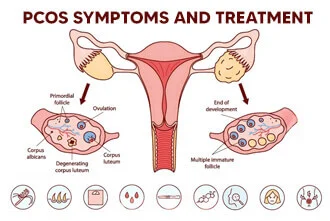
The term “polycystic” refers to the presence of multiple small fluid-filled sacs or cysts that may develop on the ovaries. However, not every woman with polycystic ovary syndrome has ovarian cysts.
PCOS usually develops during adolescence or early adulthood, though some women may not discover they have the condition until they experience difficulty getting pregnant.
Causes of Polycystic Ovary Syndrome
The exact cause of polycystic ovary syndrome is still not completely understood. However, several factors are believed to contribute to the condition.
Hormonal Imbalance
Women with PCOS often have higher levels of androgens, commonly known as male hormones. Excess androgen production can prevent the ovaries from releasing eggs regularly.
Insulin Resistance
Many women with polycystic ovary syndrome have insulin resistance. This means the body cannot use insulin effectively, causing the pancreas to produce more insulin. High insulin levels may increase androgen production, worsening symptoms such as weight gain and irregular periods.
Genetics
PCOS often runs in families. If a mother or sister has polycystic ovary syndrome, the chances of developing the condition may increase.
Inflammation
Research suggests that low-grade inflammation may stimulate the ovaries to produce excess androgens, contributing to PCOS symptoms.
Common Symptoms of Polycystic Ovary Syndrome
The symptoms of polycystic ovary syndrome can vary greatly between individuals. Some women experience mild symptoms, while others may face more severe complications.
Irregular Menstrual Cycles
Irregular or missed periods are among the most common signs of PCOS. Some women may have fewer than eight periods a year, while others may experience unusually heavy bleeding.
Excess Hair Growth
High androgen levels can lead to excessive hair growth on the face, chest, back, or abdomen. This condition is known as hirsutism.
Acne and Oily Skin
Hormonal imbalance associated with polycystic ovary syndrome can trigger persistent acne, especially on the face, chest, and upper back.
Weight Gain
Many women with PCOS struggle with weight gain or difficulty losing weight, particularly around the abdomen.
Thinning Hair
Hair thinning or male-pattern baldness may occur due to increased androgen levels.
Difficulty Getting Pregnant
Since ovulation becomes irregular or absent, PCOS is one of the leading causes of infertility in women.
Dark Skin Patches
Some women develop darkened patches of skin around the neck, groin, or under the breasts. This is often linked to insulin resistance.
Mood Changes
Women with polycystic ovary syndrome may experience anxiety, depression, or mood swings due to hormonal changes and stress related to symptoms.
How Polycystic Ovary Syndrome is Diagnosed
There is no single test to diagnose PCOS. Doctors usually evaluate symptoms, medical history, and physical examination findings.
Medical History Review
The doctor may ask questions about menstrual cycles, weight changes, family history, and symptoms like acne or excessive hair growth.
Physical Examination
A physical exam helps identify visible signs of hormonal imbalance such as acne, hair growth, or skin discoloration.
Blood Tests
Blood tests may be performed to check hormone levels, blood sugar levels, cholesterol, and insulin resistance.
Ultrasound Scan
An ultrasound can help detect enlarged ovaries or multiple small cysts associated with polycystic ovary syndrome.
Complications of Polycystic Ovary Syndrome
If not properly managed, PCOS can lead to several long-term health complications.
Type 2 Diabetes
Insulin resistance significantly increases the risk of developing diabetes.
High Blood Pressure
Women with polycystic ovary syndrome may have an increased risk of hypertension and cardiovascular disease.
Infertility
Irregular ovulation can make conception difficult without treatment.
Sleep Apnea
PCOS is associated with sleep disorders, especially in overweight individuals.
Endometrial Cancer
Irregular periods can cause the uterine lining to thicken, increasing the risk of endometrial cancer over time.
Mental Health Disorders
Depression, anxiety, and low self-esteem are common among women with PCOS.
Treatment Options for Polycystic Ovary Syndrome
Although there is no permanent cure for polycystic ovary syndrome, treatments can effectively control symptoms and reduce complications.
Lifestyle Changes
Lifestyle modifications are often the first step in managing PCOS.
Healthy Diet
A balanced diet rich in vegetables, fruits, whole grains, and lean protein can help regulate blood sugar levels and maintain a healthy weight.
Regular Exercise
Physical activity improves insulin sensitivity, supports weight loss, and promotes hormonal balance.
Weight Management
Even a small amount of weight loss can improve menstrual regularity and fertility in women with PCOS.
Medications for PCOS
Birth Control Pills
Hormonal contraceptives help regulate periods, reduce acne, and lower androgen levels.
Fertility Medications
Women trying to conceive may receive medications that stimulate ovulation.
Diabetes Medications
Certain medications used for diabetes can improve insulin resistance and help regulate menstrual cycles.
Acne Treatments
Doctors may prescribe topical or oral medications to control acne symptoms.
Natural Remedies and Home Management
Some women also benefit from natural approaches alongside medical treatment.
Stress Reduction
Yoga, meditation, and mindfulness practices can help reduce stress hormones that may worsen symptoms.
Adequate Sleep
Getting enough quality sleep supports hormone regulation and overall health.
Herbal Supplements
Certain supplements may support insulin sensitivity and hormonal balance, but they should only be used under medical supervision.
Diet Tips for Women with Polycystic Ovary Syndrome
Diet plays an important role in managing polycystic ovary syndrome symptoms.
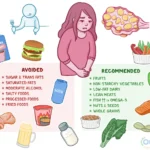
Foods to Include
- Leafy green vegetables
- Whole grains
- Lean proteins
- Nuts and seeds
- Fruits with low glycemic index
- Healthy fats such as olive oil and avocado
Foods to Avoid
- Sugary drinks
- Processed foods
- White bread and refined carbohydrates
- Excess fried foods
- Highly processed snacks
Maintaining stable blood sugar levels can significantly improve energy, hormone balance, and weight management.
Can Women with PCOS Get Pregnant?
Yes, many women with polycystic ovary syndrome can become pregnant naturally or with medical assistance. Lifestyle improvements, ovulation-inducing medications, and fertility treatments have helped many women successfully conceive.
Early diagnosis and treatment greatly improve fertility outcomes.
Preventing Polycystic Ovary Syndrome Complications
While PCOS itself may not always be preventable, adopting healthy habits can reduce symptom severity and prevent complications.
Prevention Tips
- Maintain a healthy body weight
- Exercise regularly
- Follow a balanced diet
- Monitor blood sugar levels
- Attend regular medical checkups
- Manage stress effectively
Early intervention is key to avoiding long-term health issues.
Living with Polycystic Ovary Syndrome
Living with polycystic ovary syndrome can sometimes feel overwhelming, especially when symptoms affect confidence, fertility, or daily life. However, with proper support and treatment, women with PCOS can manage their condition successfully.
Support groups, counseling, and open communication with healthcare providers can make a significant difference in emotional well-being.
Understanding the condition and taking proactive steps toward health management empowers women to regain control over their bodies and overall quality of life.
Conclusion
Polycystic Ovary Syndrome is a common but manageable hormonal condition that affects millions of women worldwide. From irregular periods and acne to infertility and metabolic complications, the symptoms can impact many aspects of health.
Fortunately, early diagnosis, healthy lifestyle choices, medical treatment, and emotional support can help control symptoms and reduce future health risks. Women experiencing symptoms of polycystic ovary syndrome should consult a healthcare professional for proper evaluation and personalized treatment.
Awareness and education about PCOS are essential for improving women’s health and helping individuals live healthier, more confident lives.
Frequently Asked Questions (FAQ)
What is the main cause of polycystic ovary syndrome?
The exact cause is unknown, but genetics, insulin resistance, hormonal imbalance, and inflammation are believed to contribute to PCOS.
Can polycystic ovary syndrome be cured permanently?
There is currently no permanent cure for PCOS, but symptoms can be effectively managed through lifestyle changes and medical treatment.
Is PCOS the same as ovarian cysts?
No, PCOS is a hormonal disorder. While some women with PCOS develop ovarian cysts, not all ovarian cysts indicate PCOS.
Can women with PCOS get pregnant naturally?
Yes, many women with polycystic ovary syndrome can conceive naturally, especially with healthy lifestyle changes and appropriate treatment.
Does weight loss help with PCOS?
Yes, even modest weight loss can improve hormone balance, insulin sensitivity, and menstrual regularity.
Which foods are best for PCOS?
Foods rich in fiber, lean protein, healthy fats, and low-glycemic carbohydrates are beneficial for women with PCOS.
Is polycystic ovary syndrome dangerous?
PCOS itself is manageable, but untreated PCOS can increase the risk of diabetes, heart disease, infertility, and other health problems.
At what age does PCOS usually start?
PCOS often begins during the teenage years or early twenties, though symptoms can appear later in life as well.
read more