
Living with Polycystic Ovary Syndrome can feel frustrating, especially when symptoms like irregular periods, weight gain, acne, fatigue, and mood swings begin affecting daily life. While medication and medical guidance play an important role, one natural method has shown remarkable results for managing symptoms — regular physical activity. Choosing the right exercise for pcos can help improve hormonal balance, regulate insulin levels, support weight management, and boost overall health.
Many women with PCOS struggle with insulin resistance, inflammation, and hormonal imbalance. Exercise directly targets these problems and helps the body function more efficiently. The best part is that you do not need intense workouts or expensive gym memberships to see positive changes. Simple, consistent movement can make a major difference.
In this guide, you will learn the best exercise for pcos, how each workout helps the body, and how to create a sustainable fitness routine for long-term hormonal health.
Why Exercise Is Important for PCOS
Women with PCOS often experience higher insulin levels, which can trigger excess androgen production. This hormonal imbalance may lead to unwanted symptoms such as irregular menstrual cycles, facial hair growth, weight gain, and difficulty conceiving.
Regular exercise helps by:
- Improving insulin sensitivity
- Supporting healthy weight loss
- Reducing stress hormones
- Balancing reproductive hormones
- Increasing metabolism
- Improving mood and energy levels
- Supporting better sleep
Even moderate physical activity can significantly reduce PCOS symptoms over time.
How Exercise Helps Balance Hormones Naturally
The right exercise for pcos works on multiple systems inside the body. Physical activity helps muscles use glucose more effectively, lowering blood sugar and insulin levels. Reduced insulin can lower androgen production, which may improve symptoms like acne and irregular periods.
Exercise also stimulates the release of endorphins, often called “feel-good hormones,” which help reduce anxiety and depression commonly associated with PCOS.
In addition, consistent workouts help regulate cortisol, the body’s stress hormone. High stress levels can worsen hormonal imbalance, so lowering stress naturally supports reproductive health.
Best Exercise for PCOS
Different types of workouts provide different benefits. Combining cardio, strength training, flexibility exercises, and stress-reducing workouts often produces the best results.
Walking
Walking is one of the easiest and most effective forms of exercise for pcos. It is beginner-friendly, low-impact, and sustainable for long-term fitness.
A brisk walk for 30 to 45 minutes daily can:
- Improve insulin sensitivity
- Support weight management
- Reduce stress
- Increase energy levels
- Improve heart health
Walking after meals may also help stabilize blood sugar levels.
Women who are new to fitness can begin with 15 to 20 minutes daily and gradually increase intensity and duration.
Strength Training
Strength training is considered one of the most effective workouts for women with PCOS because it helps build lean muscle mass. More muscle means the body burns more calories even while resting.
Strength workouts may include:
- Squats
- Lunges
- Push-ups
- Resistance bands
- Dumbbell exercises
- Bodyweight training
Benefits of strength training include:
- Better insulin resistance
- Increased metabolism
- Fat loss
- Hormonal regulation
- Improved body composition
Aim for two to four strength training sessions per week for noticeable results.
High-Intensity Interval Training (HIIT)
HIIT workouts involve short bursts of intense exercise followed by recovery periods. This type of exercise for pcos can improve cardiovascular health and insulin sensitivity in less time.
A simple HIIT routine may include:
- 30 seconds jumping jacks
- 30 seconds rest
- 30 seconds squats
- 30 seconds rest
- Repeat for 15 to 20 minutes
HIIT workouts are highly effective for fat burning and metabolic improvement. However, excessive high-intensity training may increase stress hormones in some women with PCOS, so balance is important.
Two or three HIIT sessions weekly are usually enough.
Yoga
Yoga is extremely beneficial for hormonal health because it combines movement, breathing, and stress reduction. Stress management is crucial for women with PCOS since elevated cortisol can worsen symptoms.
Yoga helps by:
- Lowering stress hormones
- Improving blood circulation
- Supporting digestion
- Enhancing mental well-being
- Improving flexibility and posture
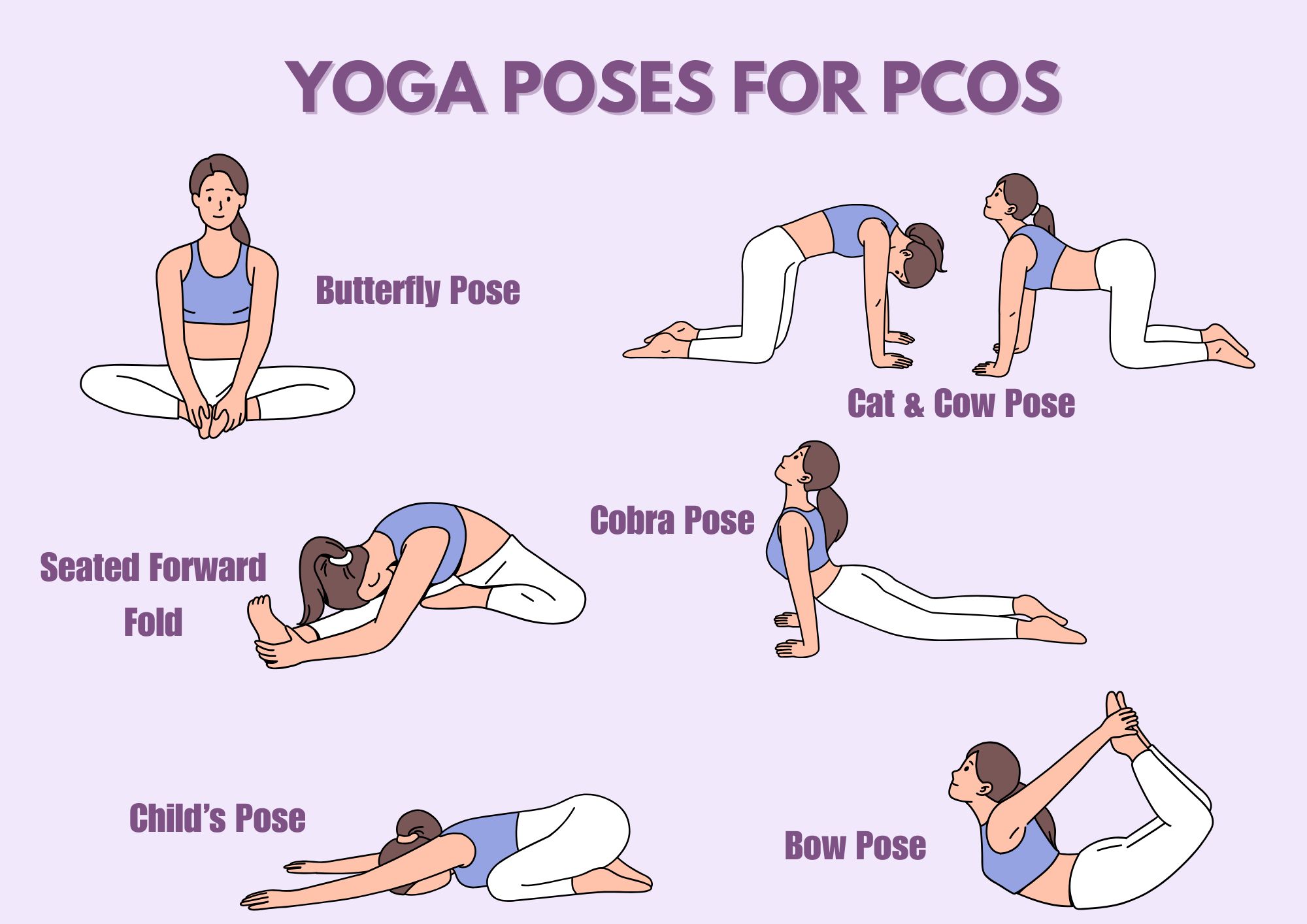
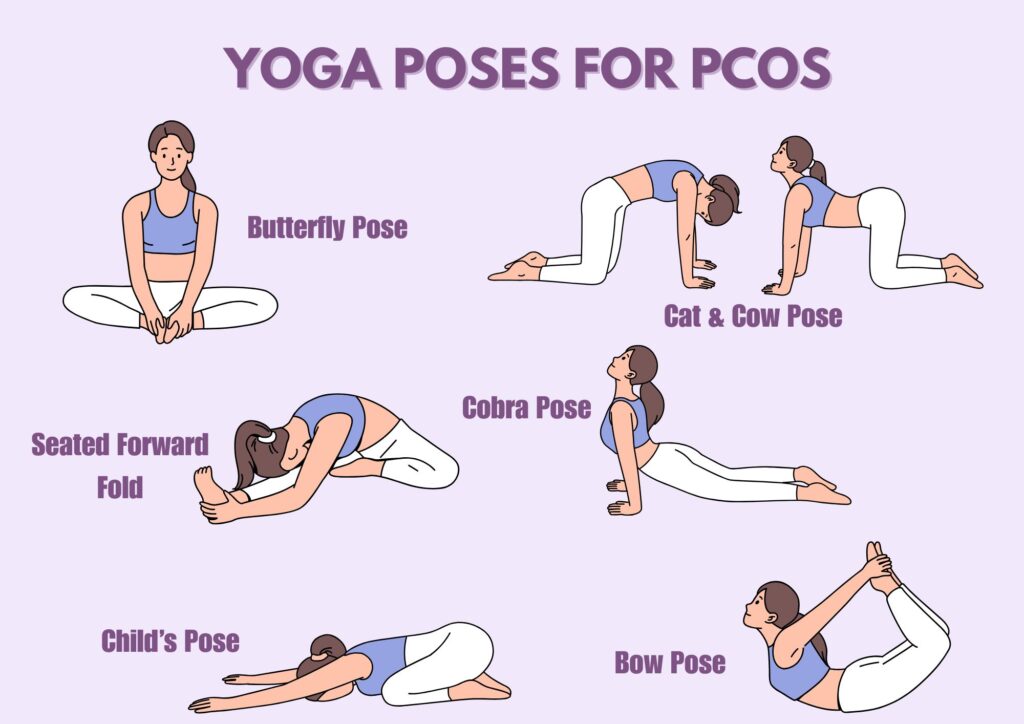
Certain yoga poses may support reproductive health and pelvic circulation.
Popular yoga poses for PCOS include:
- Butterfly pose
- Cobra pose
- Child’s pose
- Bridge pose
- Cat-cow stretch
Practicing yoga regularly can help create emotional balance while supporting physical health.
Pilates
Pilates focuses on controlled movements, posture, flexibility, and core strength. It is especially useful for women looking for low-impact exercise for pcos.
Benefits include:
- Improved muscle tone
- Better posture
- Stress reduction
- Increased flexibility
- Core strengthening
Pilates can be an excellent alternative for women who do not enjoy high-intensity workouts.
Swimming
Swimming is a full-body workout that improves cardiovascular fitness without putting pressure on joints. It is particularly beneficial for women who are overweight or experience joint discomfort.
Swimming helps:
- Burn calories
- Improve stamina
- Reduce stress
- Build muscle tone
- Improve circulation
Even swimming two to three times weekly can support hormonal health.
Cycling
Cycling is another excellent cardio exercise for pcos. It improves heart health, supports weight management, and enhances insulin sensitivity.
Whether outdoor cycling or indoor stationary biking, this workout can be adapted to different fitness levels.
Regular cycling may help:
- Improve metabolism
- Burn excess fat
- Increase endurance
- Reduce stress levels
Dancing
Dance workouts are fun, energetic, and sustainable. Many women find it easier to stay consistent with exercise when the activity feels enjoyable rather than forced.
Dance-based workouts such as Zumba or aerobic dance can:
- Improve cardiovascular health
- Burn calories
- Reduce stress
- Boost mood and confidence
Consistency matters more than perfection, so enjoyable workouts often produce better long-term results.
How Often Should Women With PCOS Exercise?
Consistency is the key to seeing results. Most health experts recommend at least 150 minutes of moderate physical activity weekly.
A balanced weekly routine may include:
- 3 days strength training
- 2 days cardio
- 1 or 2 days yoga or stretching
- Daily walking
Overtraining should be avoided because excessive exercise can sometimes increase cortisol levels and worsen hormonal imbalance.
Listening to the body and allowing proper recovery is essential.
Best Time to Exercise for PCOS
There is no single perfect time for everyone. The best exercise for pcos is the one you can maintain consistently.
However:
- Morning workouts may improve energy and metabolism
- Evening workouts can help reduce stress after a busy day
- Walking after meals may improve blood sugar control
Choose a schedule that fits naturally into your lifestyle.
Diet and Exercise Together for Better Results
Exercise alone can help, but combining movement with healthy eating produces the best outcomes for PCOS management.
A balanced PCOS-friendly diet may include:
- High-fiber foods
- Lean protein
- Healthy fats
- Whole grains
- Fruits and vegetables
Reducing processed foods, sugary drinks, and excess refined carbohydrates may further improve insulin resistance.
Hydration and proper sleep are also essential for hormonal balance.
Common Mistakes to Avoid
Many women start exercising with unrealistic expectations or extreme routines. Sustainable habits work better than temporary intense efforts.
Avoid these common mistakes:
Doing Excessive Cardio
Too much cardio without strength training may increase stress hormones and muscle loss.
Skipping Recovery
Rest days are important for hormonal health and muscle recovery.
Expecting Instant Results
Hormonal balance takes time. Small consistent improvements matter more than quick fixes.
Ignoring Nutrition
Exercise works best when combined with proper nutrition and healthy lifestyle habits.
Signs Exercise Is Helping PCOS
Positive changes may appear gradually over weeks or months. Signs your exercise routine is helping include:
- More regular periods
- Better energy levels
- Improved mood
- Reduced cravings
- Better sleep
- Weight loss or improved body composition
- Reduced acne
- Lower stress levels
Every woman’s body responds differently, so patience and consistency are important.
Can Exercise Help PCOS Fertility?
Yes, regular physical activity may improve fertility in women with PCOS. Since exercise supports insulin regulation and hormone balance, it may help restore ovulation and menstrual regularity.
Women trying to conceive often benefit from moderate workouts combined with medical guidance and balanced nutrition.
Maintaining a healthy weight can also improve reproductive health outcomes.
Creating a Sustainable PCOS Fitness Routine
The best exercise plan is one you can maintain long term. Instead of focusing on perfection, focus on consistency.
Tips for staying consistent include:
- Choose activities you enjoy
- Start slowly
- Set realistic goals
- Track progress
- Exercise with friends
- Celebrate small achievements
Building healthy habits gradually often leads to lasting hormonal improvements.
Final Thoughts
Finding the right exercise for pcos can transform both physical and emotional health. Regular movement helps improve insulin sensitivity, reduce stress, support weight management, and naturally balance hormones. Whether it is walking, yoga, strength training, swimming, or dancing, every form of movement contributes to better overall wellness.
The key is consistency rather than intensity. Small daily efforts can create powerful long-term results. Combined with proper nutrition, sleep, and stress management, exercise becomes one of the most effective natural tools for managing PCOS symptoms and improving quality of life.
FAQ About Exercise for PCOS
Which exercise is best for PCOS?
Strength training, walking, yoga, and HIIT workouts are considered some of the best exercises for PCOS because they improve insulin sensitivity and support hormonal balance.
Can exercise cure PCOS permanently?
Exercise cannot permanently cure PCOS, but it can significantly reduce symptoms and improve hormonal health naturally.
How many days a week should I exercise with PCOS?
Most women with PCOS benefit from exercising at least 4 to 5 days weekly, including a mix of cardio, strength training, and flexibility workouts.
Is walking enough for PCOS?
Yes, regular brisk walking can help improve insulin resistance, support weight management, and reduce stress levels associated with PCOS.
Can yoga help with PCOS?
Yoga may help lower stress hormones, improve circulation, and support hormonal balance, making it beneficial for women with PCOS.
Is HIIT good for PCOS?
HIIT can improve insulin sensitivity and fat loss, but it should be balanced with recovery and lower-intensity workouts to avoid excess stress on the body.
Does exercise help regulate periods in PCOS?
Yes, regular exercise may help regulate menstrual cycles by improving hormone balance and insulin function.
What is the best time to exercise for PCOS?
The best time is whenever you can exercise consistently. Morning, evening, or post-meal workouts can all provide benefits.
read more