
Living with PCOS can feel frustrating, especially when constant bloating makes your stomach feel heavy, tight, or swollen. Many women struggle with digestive discomfort, water retention, and stubborn abdominal fullness that seems impossible to control. The good news is that pcos bloat can often be managed naturally with the right lifestyle changes, healthy eating habits, and digestive support.
Understanding why bloating happens in PCOS is the first step toward feeling lighter, healthier, and more comfortable in your body. In this guide, you’ll learn the causes of PCOS-related bloating, natural remedies to reduce it, foods to eat and avoid, and practical tips to improve digestion naturally.
What Is PCOS Bloat?
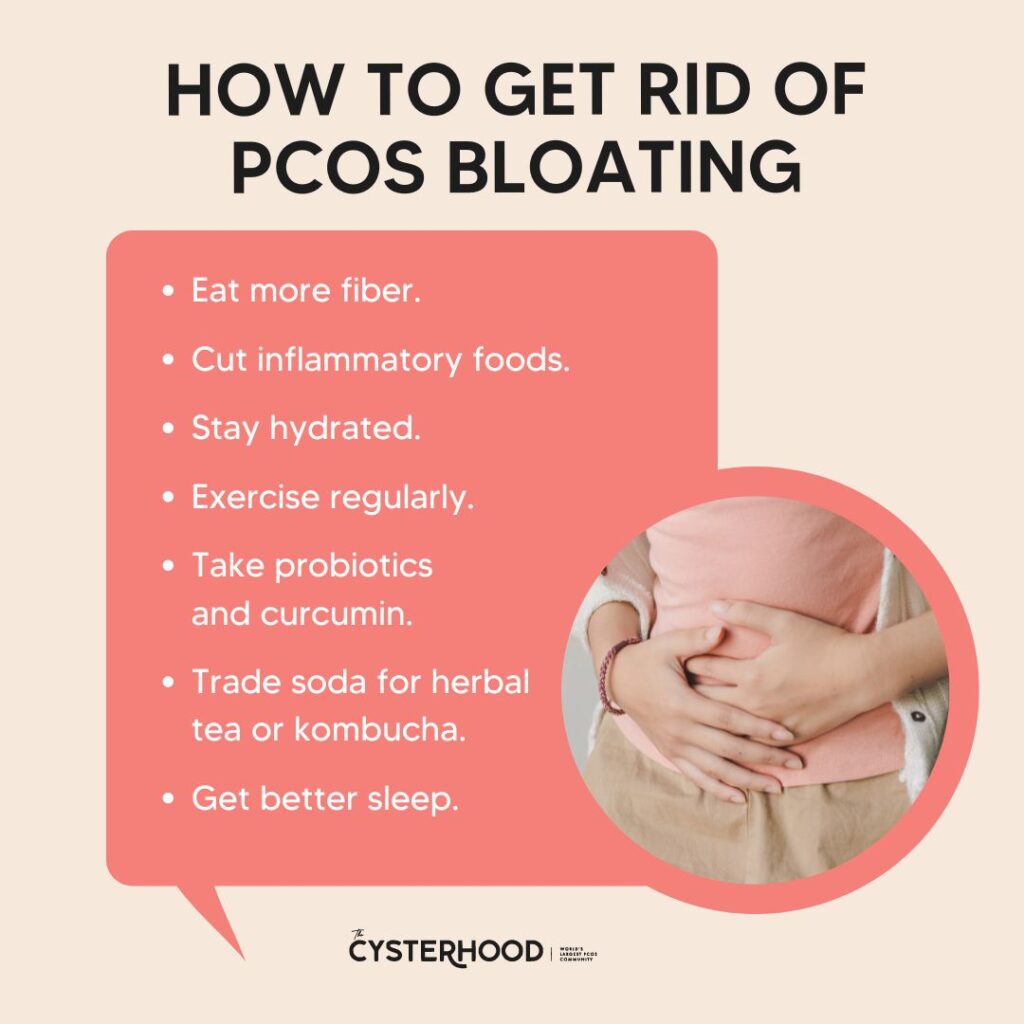
PCOS bloat refers to abdominal swelling, heaviness, or discomfort commonly experienced by women with Polycystic Ovary Syndrome (PCOS). It may feel like your stomach is enlarged, puffy, or overly full even when you haven’t eaten much.
This bloating can happen occasionally or become a daily issue depending on hormone levels, insulin resistance, inflammation, diet, and digestive health.
Many women with PCOS notice:
- Tightness in the stomach
- Gas and digestive discomfort
- Water retention
- Constipation
- Feeling overly full after meals
- Swollen lower abdomen
Unlike temporary bloating from overeating, pcos bloat is often linked to hormonal imbalance and chronic inflammation.
Why Does PCOS Cause Bloating?
PCOS affects the body in several ways, and many of these changes directly impact digestion and fluid retention.
Hormonal Imbalance
Women with PCOS often experience imbalanced estrogen and progesterone levels. These hormonal shifts can slow digestion and increase water retention, leading to bloating.
High androgen levels may also contribute to inflammation and digestive discomfort.
Insulin Resistance
Insulin resistance is one of the most common features of PCOS. When the body struggles to process sugar properly, it can trigger inflammation and digestive problems.
High insulin levels may also cause the body to retain more sodium and water, increasing bloating.
Chronic Inflammation
PCOS is associated with low-grade chronic inflammation. Inflammation can affect gut health, digestion, and metabolism, making bloating more frequent and severe.
Poor Gut Health
Many women with PCOS experience gut imbalances, including:
- Constipation
- Slow digestion
- Gut bacteria imbalance
- Food sensitivities
An unhealthy gut can increase gas production and abdominal swelling.
Stress and Cortisol
Stress can worsen hormonal imbalance and digestive function. Elevated cortisol levels may slow digestion and increase inflammation, contributing to pcos bloat.
Signs That Your Bloating May Be Related to PCOS
Sometimes bloating may be linked to dietary habits alone, but certain symptoms suggest it may be connected to PCOS.
Common signs include:
- Frequent abdominal swelling
- Bloating during hormonal fluctuations
- Digestive discomfort after carbohydrate-rich meals
- Irregular periods
- Weight gain around the abdomen
- Fatigue and insulin resistance
- Acne and hormonal symptoms
If bloating occurs alongside these symptoms, hormonal imbalance could be playing a role.
Natural Ways to Reduce PCOS Bloat
Managing PCOS bloating naturally involves improving digestion, balancing blood sugar, and reducing inflammation.
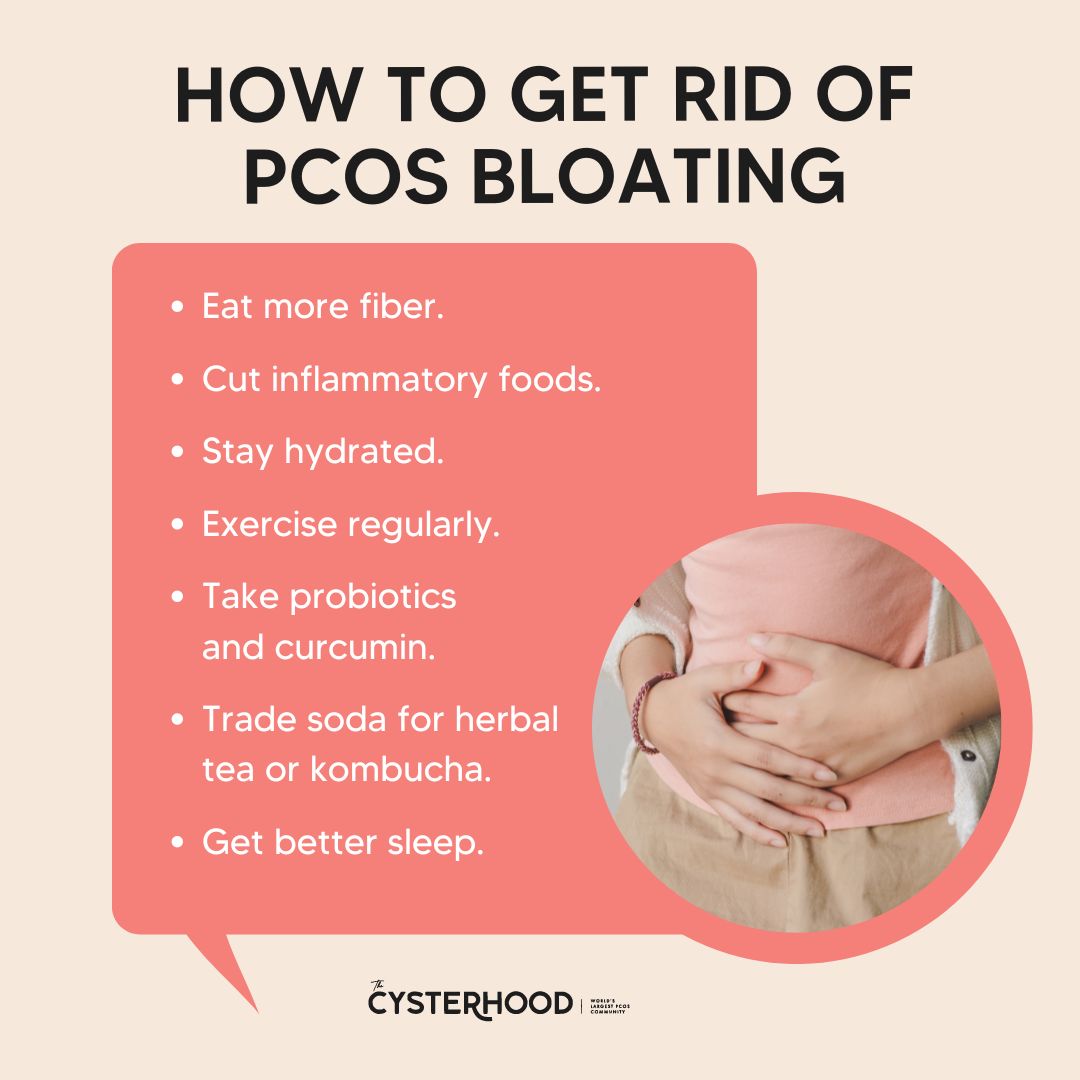
Eat More Fiber Slowly
Fiber supports digestion and helps regulate bowel movements. It also improves insulin sensitivity, which can reduce inflammation linked to PCOS.
Good fiber-rich foods include:
- Oats
- Chia seeds
- Flaxseeds
- Vegetables
- Berries
- Lentils
- Apples
However, increasing fiber too quickly can worsen bloating. Add it gradually and drink enough water.
Stay Hydrated
Many people drink less water when bloated, but dehydration can actually make water retention worse.
Aim for enough water throughout the day to support digestion and reduce sodium retention.
Adding lemon or cucumber to water may also help improve hydration naturally.
Reduce Processed Foods
Highly processed foods often contain excess sodium, unhealthy fats, and artificial ingredients that can increase inflammation and bloating.
Try limiting:
- Fast food
- Chips
- Sugary snacks
- Soft drinks
- Packaged meals
Replacing processed foods with whole foods can make a noticeable difference in digestion.
Balance Blood Sugar
Blood sugar spikes are a major trigger for inflammation and bloating in PCOS.
To stabilize blood sugar:
- Eat protein with every meal
- Avoid excessive sugar
- Choose complex carbohydrates
- Eat regular meals
- Avoid skipping breakfast
Balanced blood sugar helps improve hormone function and reduce digestive discomfort.
Try Anti-Inflammatory Foods
Certain foods naturally reduce inflammation and support hormone health.
Helpful anti-inflammatory foods include:
- Turmeric
- Ginger
- Fatty fish
- Olive oil
- Walnuts
- Leafy greens
- Avocados
These foods may help reduce the inflammation linked to pcos bloat.
Improve Gut Health
Gut health plays a major role in digestion and bloating.
To support a healthy gut:
- Eat probiotic-rich foods like yogurt and kefir
- Include prebiotic foods such as garlic and onions
- Avoid excessive sugar
- Eat fermented foods in moderation
A healthy gut microbiome can improve digestion and reduce gas buildup.
Avoid Trigger Foods
Some foods are more likely to worsen bloating in women with PCOS.
Common trigger foods include:
- Excess dairy
- Fried foods
- Carbonated drinks
- Artificial sweeteners
- Excess sugar
- Refined carbohydrates
Keeping a food journal may help identify personal triggers.
Exercise Regularly
Movement helps digestion and reduces water retention.
Regular physical activity can:
- Improve insulin sensitivity
- Support bowel movements
- Reduce inflammation
- Improve metabolism
Even light exercise such as walking after meals may help reduce bloating.
Manage Stress Naturally
Stress has a strong effect on hormones and digestion.
Natural stress management methods include:
- Meditation
- Deep breathing
- Yoga
- Journaling
- Spending time outdoors
- Quality sleep
Reducing stress can help improve both hormonal balance and digestive health.
Sleep Better
Poor sleep affects cortisol, insulin, and hunger hormones, all of which can worsen PCOS symptoms.
Try to:
- Sleep 7–9 hours nightly
- Maintain a consistent sleep schedule
- Limit screen time before bed
- Avoid caffeine late in the day
Better sleep often improves digestion and reduces inflammation.
Best Foods for PCOS Bloat
Choosing the right foods can significantly improve symptoms.
Leafy Greens
Spinach, kale, and lettuce provide fiber and magnesium while reducing inflammation.
Ginger
Ginger helps soothe digestion and reduce gas buildup naturally.
Ginger tea may be especially helpful after meals.
Cucumber
Cucumber contains high water content that may help reduce water retention.
Berries
Berries are rich in antioxidants and lower in sugar than many fruits.
Yogurt
Unsweetened yogurt with probiotics supports gut health and digestion.
Chia Seeds
Chia seeds provide fiber and omega-3 fatty acids that support hormone balance.
Peppermint Tea
Peppermint tea may relax digestive muscles and reduce bloating discomfort.
Foods That May Worsen PCOS Bloat
Not every woman reacts the same way, but some foods commonly trigger bloating.
Sugary Foods
Excess sugar increases insulin spikes and inflammation.
Refined Carbohydrates
White bread, pastries, and processed carbs may worsen digestive symptoms.
Fried Foods
Greasy foods slow digestion and increase inflammation.
Carbonated Drinks
Soda and sparkling beverages can increase trapped gas in the stomach.
Excess Salt
Too much sodium causes water retention and abdominal puffiness.
Can Weight Loss Help PCOS Bloating?
For some women, maintaining a healthy weight can improve insulin resistance and hormone balance, reducing bloating over time.
However, extreme dieting is not recommended. Restrictive eating can worsen stress hormones and digestive problems.
Instead, focus on:
- Balanced meals
- Consistent movement
- Sustainable habits
- Nutrient-rich foods
Small lifestyle changes are often more effective long term.
Supplements That May Help PCOS Bloat
Some supplements may support digestion and hormone balance. Always speak with a healthcare professional before starting supplements.
Helpful options may include:
- Probiotics
- Magnesium
- Omega-3 fatty acids
- Inositol
- Digestive enzymes
These may help improve digestion and reduce inflammation associated with pcos bloat.
When to See a Doctor
Although bloating is common in PCOS, severe or persistent symptoms should not be ignored.
See a healthcare provider if you experience:
- Severe abdominal pain
- Sudden swelling
- Blood in stool
- Unexplained weight loss
- Chronic constipation
- Persistent digestive problems
A doctor can rule out other digestive or hormonal conditions.
Final Thoughts
PCOS bloating can be uncomfortable and emotionally draining, but natural lifestyle changes can make a major difference. Supporting digestion, reducing inflammation, balancing blood sugar, and improving gut health are key steps toward feeling better.
Simple habits like eating whole foods, staying hydrated, exercising regularly, and managing stress can help reduce pcos bloat naturally over time.
Every woman’s body responds differently, so consistency and patience are important. Small daily improvements often lead to long-term relief and better overall health.
FAQ About PCOS Bloat
Is bloating common with PCOS?
Yes, bloating is very common in women with PCOS due to hormonal imbalance, inflammation, insulin resistance, and digestive issues.
How long does PCOS bloating last?
PCOS bloating may come and go depending on diet, stress, hormones, and menstrual cycles. For some women, it can be chronic if underlying causes are not addressed.
Can drinking more water reduce PCOS bloat?
Yes, staying hydrated helps reduce water retention and supports healthy digestion, which may decrease bloating.
What foods should I avoid for PCOS bloating?
Many women benefit from reducing sugary foods, processed snacks, fried foods, carbonated drinks, and excessive refined carbohydrates.
Does exercise help with PCOS bloat?
Yes, regular exercise improves digestion, reduces inflammation, and supports hormone balance, which can help reduce bloating.
Can probiotics help with PCOS bloating?
Probiotics may support gut health and improve digestion, potentially reducing gas and bloating symptoms.
Is PCOS bloating caused by weight gain?
Not always. Even women with lean PCOS can experience bloating due to hormones, inflammation, and digestive imbalances.
Does stress make PCOS bloating worse?
Yes, stress increases cortisol levels, which may negatively affect digestion and worsen bloating symptoms.
read more