
Polycystic Ovary Syndrome (PCOS) is one of the most common hormonal disorders affecting women of reproductive age. If you’ve been diagnosed with PCOS or suspect you might have it, one of the biggest concerns that often comes up is fertility. A common question many women ask is: can pcos cause infertility?
The short answer is yes—PCOS can make it more difficult to conceive. However, the full picture is far more hopeful than it may seem at first glance. With the right understanding, lifestyle changes, and medical support, many women with PCOS go on to have healthy pregnancies.
This expert guide explores the connection between PCOS and infertility, why it happens, and what you can do about it.
Understanding PCOS and Its Impact on the Body
PCOS is a hormonal condition that affects how the ovaries function. It is characterized by three main features:
Irregular menstrual cycles
High levels of androgens (male hormones)
Polycystic ovaries (enlarged ovaries with multiple small follicles)
Not every woman will have all three symptoms, but hormonal imbalance is at the core of the condition.
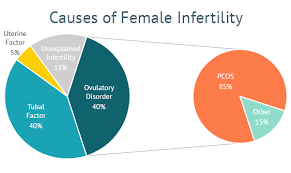
One of the key issues in PCOS is disrupted ovulation. Ovulation is the process where the ovary releases an egg each month, which is essential for pregnancy. When ovulation becomes irregular or stops altogether, fertility can be affected.
Can PCOS Cause Infertility?
The question “can PCOS cause infertility” is important—and the answer lies in how the condition affects ovulation and hormone balance.
PCOS does not necessarily mean permanent infertility. Instead, it can lead to subfertility, meaning it may take longer to conceive.
Here’s how PCOS contributes to fertility challenges:
Irregular Ovulation
Many women with PCOS do not ovulate regularly. Without ovulation, there is no egg available for fertilization.
Hormonal Imbalance
Elevated androgen levels can interfere with the development and release of eggs from the ovaries.
Insulin Resistance
A large percentage of women with PCOS also have insulin resistance. This condition increases insulin levels in the body, which can further disrupt hormone balance and ovulation.
Poor Egg Quality
Hormonal irregularities may affect egg quality, making conception more difficult.
Endometrial Issues
Irregular cycles can affect the uterine lining, making it less receptive for implantation.
So yes, PCOS can contribute to infertility—but it is important to understand that it is treatable and manageable.
Signs That PCOS May Be Affecting Your Fertility
If you are trying to conceive and have PCOS, certain signs may indicate fertility challenges:
Irregular or absent periods
Difficulty predicting ovulation
Acne or excessive hair growth
Weight gain or difficulty losing weight
Thinning hair on the scalp
These symptoms are linked to hormonal imbalances that can impact reproductive health.
How Common Is Infertility in Women with PCOS?
PCOS is one of the leading causes of infertility worldwide. It is estimated that up to 70% of women with PCOS experience some degree of difficulty with ovulation.
However, this does not mean pregnancy is out of reach. Many women with PCOS conceive naturally or with minimal medical assistance.
Diagnosis and Fertility Evaluation
If you are concerned about fertility, a proper diagnosis is the first step. Doctors typically use the following methods:
Medical history and menstrual tracking
Blood tests to check hormone levels
Ultrasound to examine the ovaries
In some cases, additional fertility tests may be recommended for both partners.
Treatment Options for PCOS-Related Infertility
The good news is that there are several effective treatments available. The right approach depends on your individual symptoms, age, and health condition.
Lifestyle Changes
Lifestyle modification is often the first and most powerful step.
Weight Management
Even a small reduction in weight (5–10%) can restore ovulation in some women.
Healthy Diet
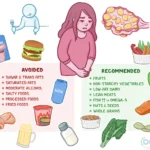
A balanced diet rich in whole grains, lean proteins, and low-glycemic foods helps manage insulin levels.
Regular Exercise
Physical activity improves insulin sensitivity and supports hormonal balance.
Stress Management
Chronic stress can worsen hormonal imbalances, so relaxation techniques can be beneficial.
Medications to Induce Ovulation
Doctors may prescribe medications to stimulate ovulation, such as:
Clomiphene citrate
Letrozole (often preferred for PCOS)
These medications help regulate ovulation and increase the chances of pregnancy.
Insulin-Sensitizing Drugs
For women with insulin resistance, medications like metformin may be prescribed. These help improve insulin levels and can indirectly support ovulation.
Assisted Reproductive Technologies
If other treatments are not successful, advanced options may be considered:
Intrauterine Insemination (IUI)
In Vitro Fertilization (IVF)
These methods significantly improve the chances of conception for women with PCOS.
Natural Ways to Improve Fertility with PCOS
In addition to medical treatments, natural strategies can play a supportive role:
Maintain a consistent sleep schedule
Limit processed foods and sugar intake
Include anti-inflammatory foods like leafy greens and nuts
Consider supplements such as inositol (after consulting a doctor)
Track ovulation using apps or ovulation kits
Consistency is key when managing PCOS naturally.
Emotional Impact of PCOS and Infertility
Dealing with fertility challenges can be emotionally exhausting. Many women experience anxiety, frustration, or self-doubt.
It’s important to remember that PCOS is a medical condition—not a personal failure. Seeking emotional support through counseling, support groups, or trusted individuals can make a significant difference.
Can Women with PCOS Have a Healthy Pregnancy?
Yes, absolutely. Many women with PCOS go on to have successful pregnancies. However, there may be a slightly higher risk of complications such as:
Gestational diabetes
High blood pressure
Preterm birth
With proper prenatal care and monitoring, these risks can be managed effectively.
When to See a Doctor
You should consider consulting a healthcare professional if:
You have irregular periods
You have been trying to conceive for over a year (or 6 months if over 35)
You have symptoms of PCOS
You are unsure about your ovulation patterns
Early intervention improves outcomes and reduces stress.
Final Thoughts
So, can pcos cause infertility? Yes—but it is not the end of your fertility journey. PCOS may create obstacles, but it also comes with many solutions.
With the right combination of lifestyle changes, medical treatment, and emotional support, many women successfully overcome fertility challenges associated with PCOS.
Understanding your body and taking proactive steps can make a powerful difference. Fertility is not just about biology—it’s also about persistence, care, and the right guidance.
Frequently Asked Questions (FAQ)
Can PCOS cause infertility permanently?
No, PCOS does not usually cause permanent infertility. It may delay conception, but many women can still get pregnant with proper treatment.
Can I get pregnant naturally with PCOS?
Yes, many women with PCOS conceive naturally, especially with lifestyle changes that regulate ovulation.
How long does it take to get pregnant with PCOS?
It varies. Some women conceive within months, while others may need medical assistance. Early treatment improves success rates.
What is the best treatment for PCOS infertility?
The best treatment depends on individual factors. Common options include lifestyle changes, ovulation-inducing medications, and fertility treatments like IVF.
Does weight loss help improve fertility in PCOS?
Yes, even modest weight loss can improve hormone balance and increase the chances of ovulation and pregnancy.
Is IVF successful for women with PCOS?
IVF has a high success rate for women with PCOS, especially when other treatments have not worked.
Can PCOS go away after pregnancy?
PCOS does not disappear completely, but symptoms may improve after pregnancy due to hormonal changes.
If you’re navigating PCOS and fertility concerns, remember that you’re not alone—and effective help is available.
read more