
Polycystic Ovary Syndrome (PCOS) is one of the most common hormonal disorders affecting women of reproductive age. It can impact menstrual cycles, fertility, weight, skin health, and emotional well-being. While medical treatments are available, many women today are exploring ways to manage PCOS naturally through lifestyle and holistic approaches.
This guide provides expert-backed, practical strategies to support hormonal balance naturally and improve overall health.
Understanding PCOS and Hormonal Imbalance
PCOS is primarily a hormonal condition characterized by an imbalance in reproductive hormones. This imbalance can lead to irregular ovulation, excess androgen levels (male hormones), and insulin resistance.
Common symptoms include irregular periods, weight gain, acne, excessive hair growth, and difficulty conceiving. While the exact cause of PCOS is not fully understood, factors such as genetics, inflammation, and insulin resistance play a significant role.
Managing these underlying factors is key when aiming to manage PCOS naturally.
The Role of Diet in Managing PCOS Naturally
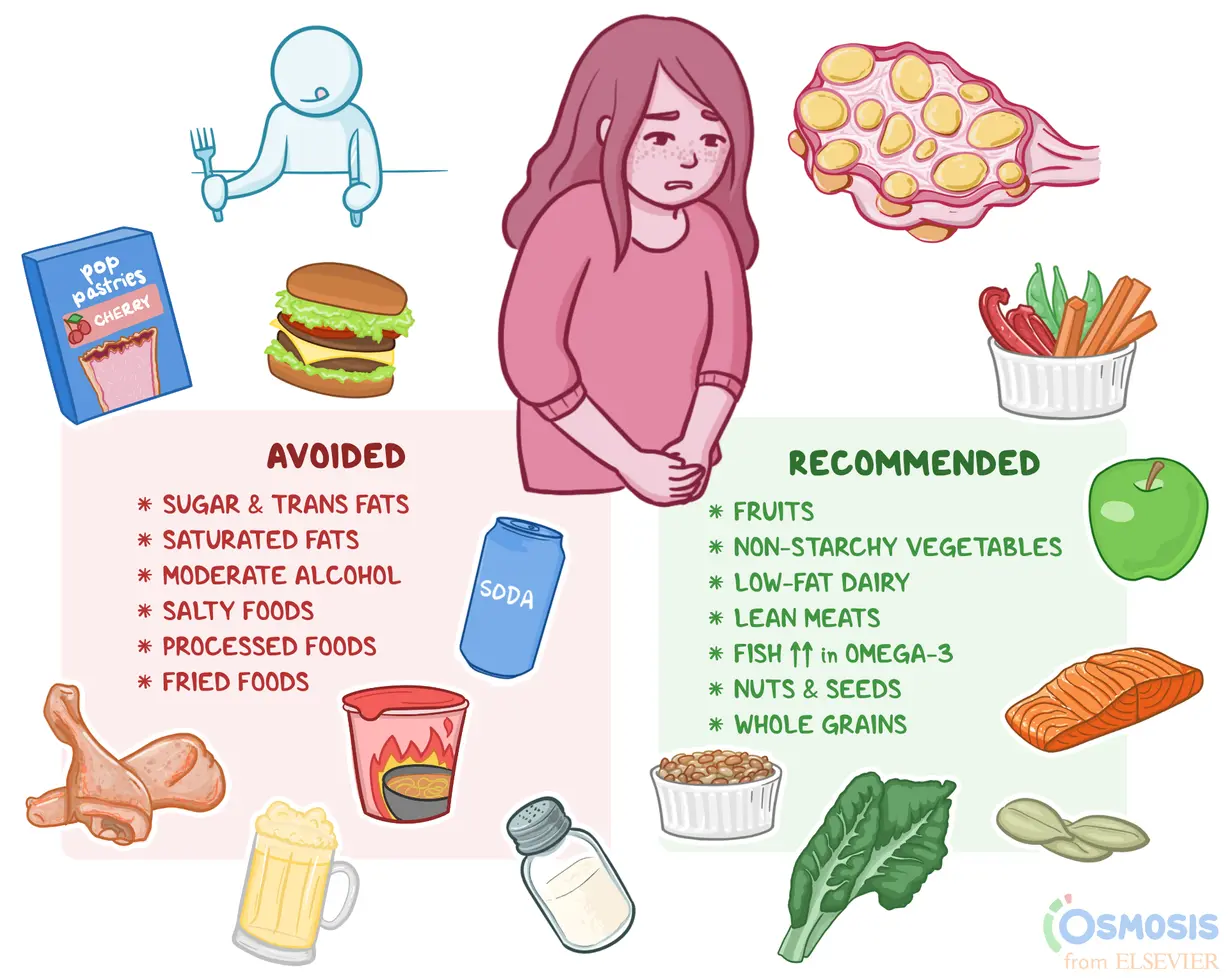
Diet is one of the most powerful tools for improving PCOS symptoms. A well-balanced diet helps regulate blood sugar levels, reduce inflammation, and support hormonal health.
Focus on Low Glycemic Index Foods
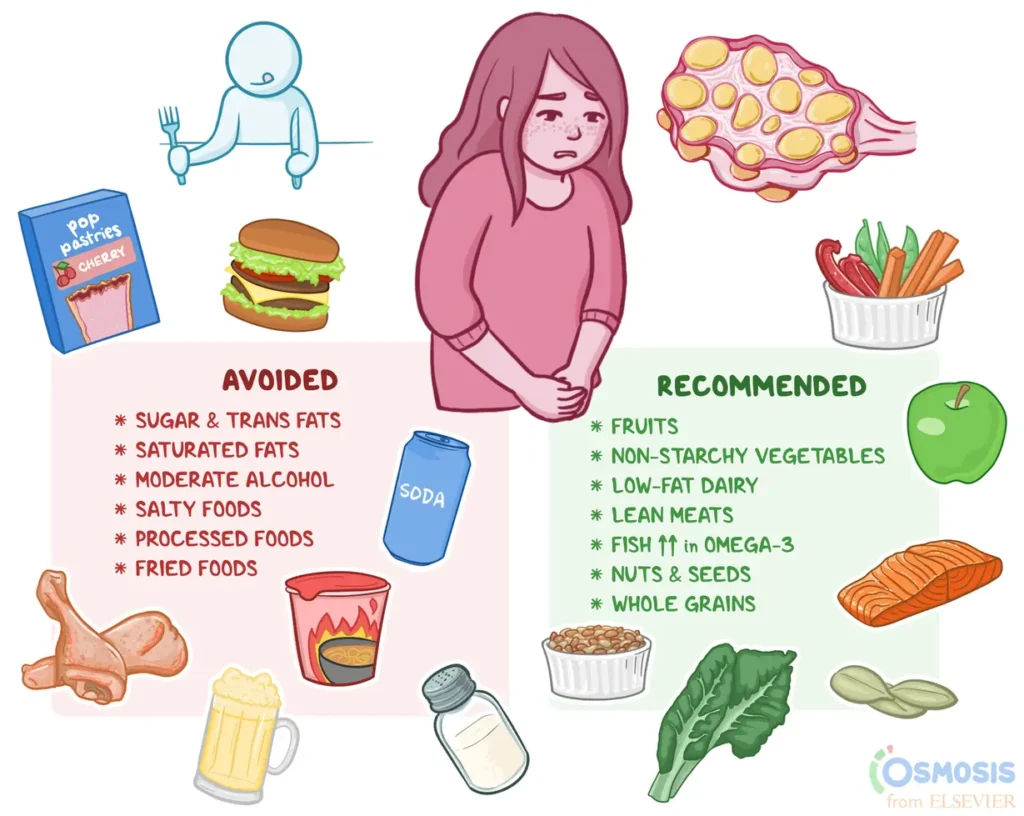
Foods with a low glycemic index (GI) help prevent spikes in blood sugar and insulin levels. High insulin levels are closely linked to PCOS symptoms.
Include foods such as:
- Whole grains like quinoa, oats, and brown rice
- Leafy green vegetables
- Lentils and legumes
- Nuts and seeds
Avoid refined carbohydrates like white bread, sugary snacks, and processed foods.
Increase Protein and Healthy Fats
Protein and healthy fats help stabilize blood sugar and keep you full for longer. This reduces cravings and supports weight management.
Good options include:
- Eggs, fish, and lean meats
- Avocados and olive oil
- Nuts like almonds and walnuts
Anti-Inflammatory Foods
Chronic inflammation is often associated with PCOS. Adding anti-inflammatory foods can improve symptoms.
Include:
- Berries
- Turmeric
- Fatty fish like salmon
- Green tea
A nutrient-rich diet is essential if you want to successfully manage PCOS naturally.
Importance of Regular Exercise
Physical activity plays a crucial role in improving insulin sensitivity and hormone regulation.
Types of Exercise That Help
- Strength training improves metabolism and insulin resistance
- Cardio workouts like walking, cycling, or swimming help maintain weight
- Yoga and pilates reduce stress and improve hormonal balance
Consistency is more important than intensity. Aim for at least 30 minutes of moderate exercise most days of the week.
Managing Stress for Hormonal Balance
Stress has a direct impact on hormones, especially cortisol. High cortisol levels can worsen PCOS symptoms.
Effective Stress Management Techniques
- Meditation and deep breathing
- Journaling
- Spending time in nature
- Practicing mindfulness
Reducing stress is often overlooked, but it is essential to manage PCOS naturally.
Sleep and Its Impact on PCOS
Sleep is another critical factor in hormonal health. Poor sleep can increase insulin resistance and disrupt hormone production.
Tips for Better Sleep
- Maintain a consistent sleep schedule
- Avoid screens before bedtime
- Create a calm sleeping environment
- Limit caffeine intake in the evening
Aim for 7–9 hours of quality sleep each night to support hormonal balance.
Natural Supplements for PCOS Support
Certain supplements may help improve symptoms, but they should be taken under professional guidance.
Commonly Recommended Supplements
- Inositol for insulin sensitivity
- Omega-3 fatty acids for inflammation
- Vitamin D for hormonal support
- Magnesium for stress and sleep
These supplements can complement lifestyle changes when trying to manage PCOS naturally.
Maintaining a Healthy Weight
Weight management can significantly improve PCOS symptoms, especially for women with insulin resistance.
Even a modest weight loss of 5–10% can:
- Improve menstrual regularity
- Enhance fertility
- Reduce androgen levels
Focus on sustainable lifestyle changes rather than extreme dieting.
Balancing Hormones Naturally Through Lifestyle Habits
Daily habits can either support or disrupt hormonal balance.
Healthy Lifestyle Practices
- Avoid endocrine-disrupting chemicals found in plastics and cosmetics
- Stay hydrated throughout the day
- Eat meals at regular intervals
- Limit processed and junk foods
Small consistent changes can make a big difference over time.
Herbal Remedies for PCOS
Certain herbs have traditionally been used to support hormonal health.
Popular Herbal Options
- Spearmint tea may reduce androgen levels
- Ashwagandha helps manage stress
- Cinnamon may improve insulin sensitivity
While herbs can be helpful, always consult a healthcare provider before use.
Tracking Your Progress
Monitoring your symptoms helps you understand what works best for your body.
What to Track
- Menstrual cycle regularity
- Weight changes
- Energy levels
- Skin and hair health
Keeping a journal can help you stay consistent and motivated while working to manage PCOS naturally.
When to Seek Medical Advice
Natural methods can be highly effective, but they may not replace medical treatment in all cases.
Consult a healthcare professional if:
- Symptoms are severe
- You are trying to conceive
- You experience prolonged irregular periods
A combination of medical care and natural strategies often yields the best results.
Frequently Asked Questions (FAQ)
What is the best way to manage PCOS naturally?
The best approach includes a balanced diet, regular exercise, stress management, and proper sleep. These lifestyle changes work together to improve hormonal balance and reduce symptoms.
Can PCOS be cured naturally?
There is no permanent cure for PCOS, but symptoms can be effectively managed through natural methods and lifestyle changes.
How long does it take to see results?
Results vary from person to person. Some women notice improvements within a few months, while others may take longer depending on consistency and severity.
Is weight loss necessary for managing PCOS?
Not always, but for those who are overweight, even a small amount of weight loss can significantly improve symptoms and hormone levels.
Are supplements necessary to manage PCOS naturally?
Supplements can help, but they are not mandatory. A healthy diet and lifestyle are the foundation of managing PCOS.
Can exercise alone improve PCOS symptoms?
Exercise helps significantly, especially with insulin resistance, but it works best when combined with proper diet and stress management.
Conclusion
Managing PCOS doesn’t always require aggressive medical intervention. By making informed lifestyle choices, many women can successfully manage PCOS naturally and regain control over their health.
Consistency is key. Small daily habits—healthy eating, regular exercise, good sleep, and stress control—can create lasting improvements in hormonal balance and overall well-being.
Taking a holistic approach empowers you to not only manage symptoms but also build a healthier, more balanced life.
read more