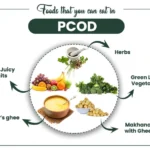

Polycystic Ovary Syndrome (PCOS) is more than just a hormonal condition—it affects metabolism, weight, insulin levels, and overall well-being. For many women, managing weight while dealing with PCOS can feel frustrating and confusing. The good news is that the right dietary approach can significantly improve symptoms, support hormone balance, and promote sustainable weight loss.
This guide will walk you through a practical, realistic, and science-backed approach to building the best PCOS diet plan. It also highlights how to effectively manage pcos diet plan habits in daily life without feeling restricted.
Understanding PCOS and Its Link to Diet
PCOS is often associated with insulin resistance, where the body struggles to use insulin efficiently. This leads to higher insulin levels, which can trigger increased androgen (male hormone) production. As a result, symptoms like weight gain, irregular periods, acne, and hair growth may appear.
Diet plays a central role because:
- It directly impacts insulin levels
- It influences inflammation in the body
- It affects hormone production and balance
A well-structured diet doesn’t just help with weight loss—it helps address the root cause of many PCOS symptoms.
Key Principles of a PCOS Diet Plan
Before jumping into specific foods, it’s important to understand the core principles that make a diet effective for PCOS.
Focus on Low Glycemic Index (GI) Foods
Low GI foods release sugar slowly into the bloodstream, preventing insulin spikes. Stable blood sugar levels help reduce cravings and improve hormone balance.
Examples include:
- Whole grains like oats, quinoa, and brown rice
- Lentils and legumes
- Non-starchy vegetables
Prioritize Protein in Every Meal
Protein helps you feel full longer and stabilizes blood sugar. It also supports muscle maintenance, which is essential for metabolism.
Good sources:
- Eggs
- Paneer and Greek yogurt
- Chicken, fish, tofu
- Lentils and chickpeas
Include Healthy Fats
Healthy fats are essential for hormone production and reducing inflammation.
Add foods like:
- Nuts and seeds (flaxseeds, chia seeds, almonds)
- Avocado
- Olive oil and coconut oil
Reduce Processed and Sugary Foods
Refined sugar and processed foods can worsen insulin resistance and increase inflammation.
Limit:
- Sugary drinks
- White bread and bakery items
- Packaged snacks
Eat Fiber-Rich Foods
Fiber slows digestion and helps regulate blood sugar.
Include:
- Leafy greens
- Fruits like berries and apples
- Whole grains
Best Foods for PCOS Weight Loss
Choosing the right foods is crucial when trying to lose weight with PCOS.
Vegetables
Non-starchy vegetables are low in calories and high in nutrients.
- Spinach
- Broccoli
- Cauliflower
- Zucchini
Fruits
Fruits are healthy, but portion control is key.
- Berries (rich in antioxidants)
- Apples
- Pears
Lean Proteins
Protein keeps hunger in check and supports fat loss.
- Eggs
- Chicken breast
- Fish like salmon
- Plant-based proteins like tofu
Whole Grains
Replace refined carbs with whole grains.
- Brown rice
- Oats
- Quinoa
Anti-Inflammatory Foods
Inflammation is common in PCOS, so include:
- Turmeric
- Ginger
- Green tea
Foods to Avoid in PCOS
Avoiding certain foods can make a big difference in symptom management.
- Sugary beverages and desserts
- Refined carbohydrates (white bread, pasta)
- Fried and fast foods
- Excess dairy (for some women, it may worsen symptoms)
- Processed meats
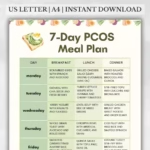
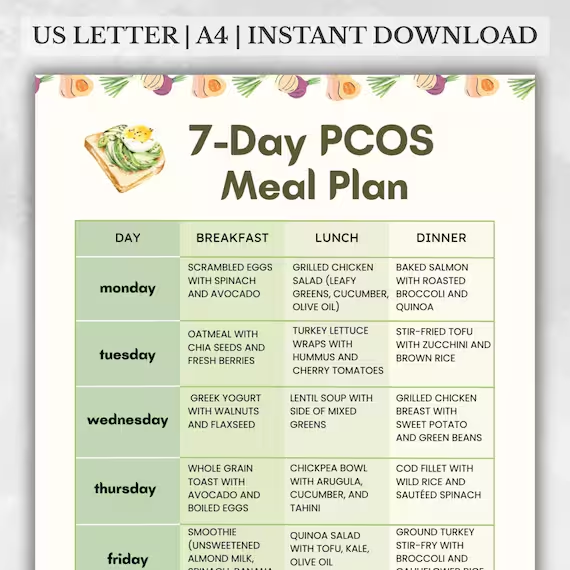
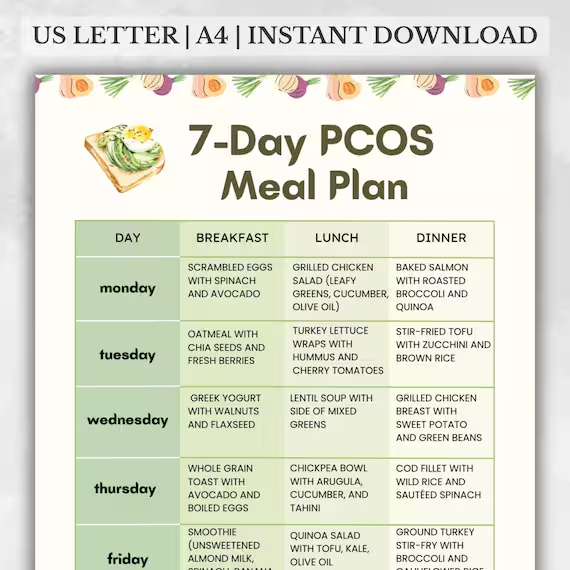
Sample PCOS Diet Plan for a Day
Here’s a simple, balanced daily meal plan to help you manage pcos diet plan effectively:
Morning (Empty Stomach)
- Warm water with lemon or soaked fenugreek seeds
Breakfast
- Vegetable omelet or paneer bhurji
- 1 slice whole grain toast or small bowl oats
Mid-Morning Snack
- A handful of almonds and walnuts
- Green tea
Lunch
- 1–2 multigrain rotis or brown rice
- Dal or grilled chicken
- Mixed vegetable sabzi
- Salad (cucumber, carrot, beetroot)
Evening Snack
- Roasted chickpeas or sprouts
- Herbal tea
Dinner
- Light meal: vegetable soup + grilled paneer/tofu
- Or quinoa with sautéed vegetables
Before Bed
- Turmeric milk (low-fat) or chamomile tea
Tips to Make Your PCOS Diet Work
Consistency matters more than perfection. Here’s how to stay on track:
Eat at Regular Intervals
Skipping meals can lead to blood sugar crashes and overeating later.
Practice Portion Control
Even healthy foods can lead to weight gain if overeaten.
Stay Hydrated
Drink at least 2–3 liters of water daily.
Combine Diet with Exercise
A mix of strength training and cardio helps improve insulin sensitivity.
Manage Stress
Stress increases cortisol, which can worsen PCOS symptoms. Try yoga, meditation, or even simple breathing exercises.
How Weight Loss Improves PCOS Symptoms
Even a small weight loss of 5–10% can have significant benefits:
- Improved menstrual regularity
- Reduced insulin resistance
- Better fertility outcomes
- Lower androgen levels
- Improved mood and energy
This is why a sustainable manage pcos diet plan approach is more important than crash dieting.
Common Mistakes to Avoid
Many women unknowingly make mistakes that slow progress.
Following Extreme Diets
Very low-carb or crash diets can disrupt hormones further.
Skipping Meals
This worsens insulin resistance and increases cravings.
Ignoring Protein Intake
Low protein leads to hunger and muscle loss.
Over-Relying on “Healthy” Packaged Foods
Granola bars and diet snacks often contain hidden sugars.
Long-Term Lifestyle Approach
PCOS is a long-term condition, so your diet should be sustainable.
- Focus on balance, not restriction
- Allow occasional treats without guilt
- Track how your body responds to different foods
- Build habits you can maintain for life
Think of your diet not as a temporary fix, but as a lifestyle that supports your hormones and overall health.
FAQs on PCOS Diet Plan
What is the best diet for PCOS weight loss?
A balanced diet with low GI carbohydrates, high protein, healthy fats, and fiber is ideal. Avoid processed foods and focus on whole, natural ingredients.
Can I eat carbs if I have PCOS?
Yes, but choose complex carbs like oats, brown rice, and quinoa. Avoid refined carbs like white bread and sugary snacks.
How fast can I lose weight with PCOS?
Weight loss may be slower compared to others, but with consistency, you can see results. Aim for 0.5–1 kg per week.
Is intermittent fasting good for PCOS?
It may work for some women, but it’s not necessary. Focus on balanced meals and stable blood sugar levels first.
Should I avoid dairy completely?
Not necessarily. Some women are sensitive to dairy, while others tolerate it well. Monitor your body’s response.
What are the best snacks for PCOS?
Healthy options include nuts, seeds, roasted chickpeas, fruits, and yogurt. Avoid processed snacks.
Can diet alone cure PCOS?
Diet cannot cure PCOS, but it can significantly manage symptoms and improve quality of life.
How do I stay consistent with a PCOS diet?
Plan your meals, keep healthy snacks available, and avoid strict restrictions. A flexible manage pcos diet plan is easier to follow long term.
Final Thoughts
Managing PCOS doesn’t require extreme diets or complicated rules. What it really needs is consistency, balance, and a deeper understanding of how your body responds to food. A well-structured diet helps regulate hormones, supports weight loss, and improves overall health.
Start small, stay consistent, and remember that progress takes time. With the right approach, you can successfully manage PCOS and feel more in control of your health every day.
read more