
Living with Polycystic Ovary Syndrome (PCOS) can feel overwhelming, especially when weight gain, hormonal imbalance, irregular periods, and fatigue become part of daily life. One of the most effective ways to manage symptoms naturally is by following the right polycystic ovary syndrome diet. A healthy eating plan not only supports weight loss but also helps improve insulin resistance, hormone balance, fertility, and overall well-being.
PCOS affects millions of women worldwide, and while there is no single cure, lifestyle changes can make a major difference. Diet plays a central role because many women with PCOS struggle with insulin resistance, which can increase fat storage and make losing weight difficult. Choosing the right foods can help stabilize blood sugar levels, reduce inflammation, and improve metabolism.
In this guide, you will learn the best foods to eat, foods to avoid, meal planning tips, and practical strategies for creating a sustainable polycystic ovary syndrome diet for weight loss and better hormonal health.
Understanding PCOS and Weight Gain
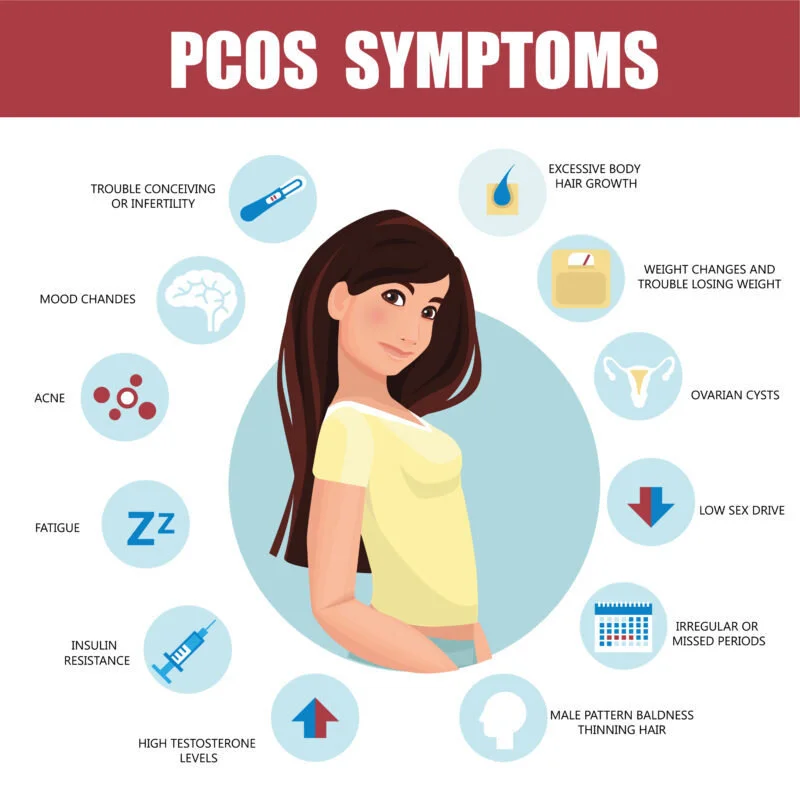
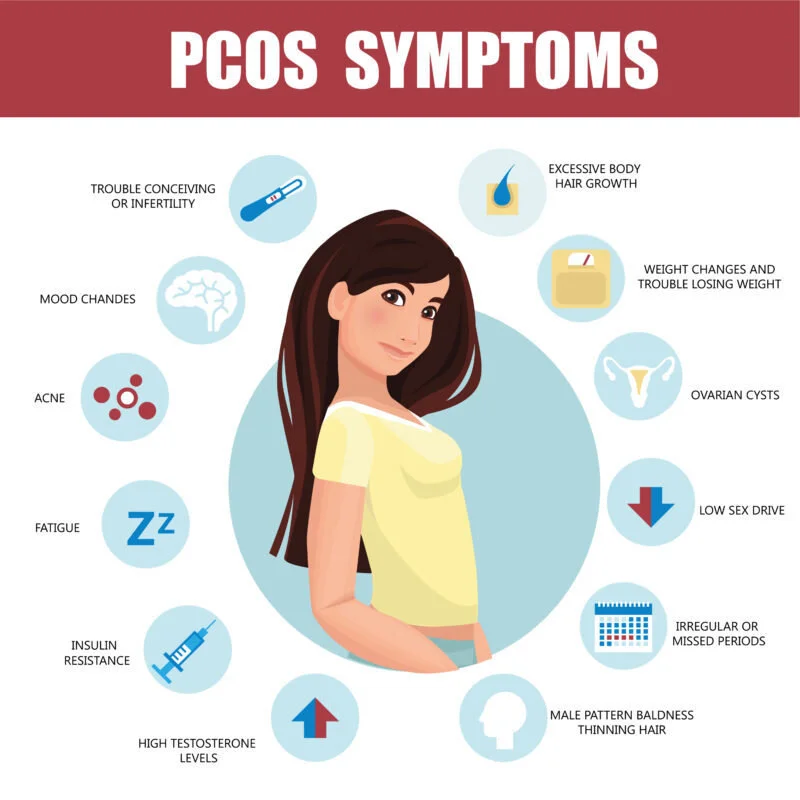
PCOS is a hormonal disorder that affects the ovaries and reproductive system. Women with PCOS often experience symptoms such as:
- Irregular periods
- Weight gain
- Acne
- Hair thinning
- Excess facial hair
- Difficulty getting pregnant
- Fatigue
- Mood swings
One of the biggest challenges with PCOS is insulin resistance. Insulin is the hormone that controls blood sugar. When the body becomes resistant to insulin, the pancreas produces more of it. High insulin levels can trigger increased androgen production, leading to hormonal imbalance and weight gain.
This is why following a balanced polycystic ovary syndrome diet is essential. The right foods can improve insulin sensitivity and help the body use energy more efficiently.
Why Diet Matters for PCOS
Diet directly impacts hormones, inflammation, metabolism, and body weight. A proper PCOS diet can help:
- Promote healthy weight loss
- Reduce insulin resistance
- Improve menstrual regularity
- Lower inflammation
- Improve fertility
- Reduce cravings
- Support healthy skin
- Boost energy levels
Even losing 5–10% of body weight can significantly improve PCOS symptoms in many women.
Best Foods for a Polycystic Ovary Syndrome Diet
High-Fiber Foods
Fiber slows digestion and helps stabilize blood sugar levels. It also keeps you full for longer, reducing overeating.
Good high-fiber foods include:
- Broccoli
- Spinach
- Kale
- Cauliflower
- Lentils
- Chickpeas
- Beans
- Oats
- Quinoa
- Chia seeds
Fiber-rich foods are excellent additions to a polycystic ovary syndrome diet because they help reduce insulin spikes.
Lean Protein Sources
Protein helps maintain muscle mass and supports weight loss by increasing satiety.
Best protein choices include:
- Eggs
- Chicken breast
- Fish
- Greek yogurt
- Tofu
- Cottage cheese
- Turkey
- Lentils
Adding protein to every meal can help control hunger and improve metabolism.
Healthy Fats
Healthy fats are important for hormone production and reducing inflammation.
Choose fats such as:
- Avocados
- Olive oil
- Nuts
- Seeds
- Fatty fish
- Almond butter
- Walnuts
Omega-3 fatty acids found in salmon and flaxseeds may help lower inflammation linked to PCOS.
Low Glycemic Index Foods
Low-GI foods digest slowly and prevent sudden blood sugar spikes.
Examples include:
- Brown rice
- Sweet potatoes
- Whole grains
- Apples
- Berries
- Pears
- Beans
- Non-starchy vegetables
A low-GI approach is considered one of the best strategies for a successful polycystic ovary syndrome diet.
Anti-Inflammatory Foods
Inflammation is common in women with PCOS. Anti-inflammatory foods may help improve symptoms.
Include foods like:
- Tomatoes
- Green leafy vegetables
- Turmeric
- Berries
- Fatty fish
- Green tea
- Olive oil
These foods support hormonal balance and overall health.
Foods to Avoid with PCOS
Certain foods can worsen insulin resistance, inflammation, and hormonal imbalance.
Refined Carbohydrates
Avoid or limit:
- White bread
- White rice
- Sugary cereals
- Pastries
- Cakes
- Cookies
These foods can spike blood sugar and increase cravings.
Sugary Drinks
Soft drinks, sweetened coffee beverages, and packaged juices contain high amounts of sugar that can worsen PCOS symptoms.
Choose water, herbal tea, or unsweetened beverages instead.
Processed Foods
Highly processed foods often contain unhealthy fats, excess sodium, and artificial ingredients.
Limit:
- Chips
- Fast food
- Frozen meals
- Processed meats
Excess Dairy
Some women with PCOS notice that dairy worsens acne or hormonal symptoms. While dairy does not affect everyone the same way, monitoring your intake may help.
Fried Foods
Fried foods can increase inflammation and contribute to weight gain.
Avoid frequent consumption of:
- French fries
- Fried chicken
- Deep-fried snacks
Best Eating Pattern for PCOS Weight Loss
Eat Balanced Meals
Each meal should include:
- Protein
- Healthy fats
- Fiber-rich carbohydrates
This combination keeps blood sugar stable and prevents energy crashes.
Avoid Skipping Meals
Skipping meals may increase cravings and lead to overeating later in the day.
Instead, focus on regular balanced meals throughout the day.
Practice Portion Control
Healthy foods still need portion awareness. Overeating even nutritious foods can slow weight loss progress.
Stay Hydrated
Drinking enough water supports metabolism and digestion.
Aim for at least 2–3 liters daily unless advised otherwise by your doctor.
Limit Late-Night Eating
Eating large meals late at night may affect insulin levels and digestion.
Try to finish dinner at least 2–3 hours before bedtime.
Sample PCOS Diet Plan for Weight Loss
Breakfast
- Oatmeal with chia seeds and berries
- Boiled eggs
- Green tea
Mid-Morning Snack
- Apple slices with peanut butter
Lunch
- Grilled chicken or tofu
- Brown rice
- Mixed vegetables
- Salad with olive oil dressing
Evening Snack
- Greek yogurt with nuts
Dinner
- Salmon or lentil curry
- Quinoa or sweet potato
- Steamed vegetables
Healthy Dessert Option
- Dark chocolate in moderation
- Fruit salad
This type of balanced polycystic ovary syndrome diet supports sustainable weight loss while keeping energy levels stable.
Best Lifestyle Habits Along with PCOS Diet
Regular Exercise
Exercise improves insulin sensitivity and supports hormone balance.
Best exercises for PCOS include:
- Walking
- Strength training
- Yoga
- Cycling
- Swimming
- HIIT workouts
Aim for at least 150 minutes of activity each week.
Stress Management
Stress increases cortisol levels, which may worsen PCOS symptoms.
Helpful stress management techniques include:
- Meditation
- Deep breathing
- Journaling
- Yoga
- Spending time outdoors
Quality Sleep
Poor sleep can disrupt hormones and increase cravings.
Aim for 7–9 hours of quality sleep every night.
Can Weight Loss Improve PCOS?
Yes, even modest weight loss can greatly improve symptoms. Many women notice:
- More regular periods
- Improved ovulation
- Better energy
- Reduced acne
- Improved fertility
- Lower insulin resistance
The key is consistency rather than extreme dieting.
Common Mistakes to Avoid on a PCOS Diet
Following Extreme Diets
Very low-calorie diets are difficult to maintain and may slow metabolism.
Cutting Out All Carbs
Healthy carbohydrates are important for energy and hormone function. Focus on complex carbs instead of eliminating them completely.
Ignoring Protein Intake
Low protein intake can increase hunger and cravings.
Expecting Quick Results
PCOS weight loss may happen more slowly, but sustainable habits lead to lasting improvements.
Supplements That May Support PCOS
Always consult a healthcare professional before taking supplements.
Some commonly recommended supplements include:
- Inositol
- Vitamin D
- Omega-3 fatty acids
- Magnesium
- Zinc
These may help support insulin sensitivity and hormone balance.
Final Thoughts
Managing PCOS requires patience, consistency, and a healthy lifestyle. The right polycystic ovary syndrome diet can significantly improve weight management, hormone balance, and overall health. Instead of focusing on restrictive eating, prioritize balanced meals, whole foods, and sustainable habits.
Every woman’s body responds differently, so it is important to find an eating pattern that works for your lifestyle and health needs. Small changes made consistently can lead to powerful long-term results.
With proper nutrition, regular exercise, stress management, and healthy routines, women with PCOS can successfully lose weight and improve their quality of life.
FAQs
What is the best diet for PCOS weight loss?
The best diet for PCOS focuses on whole foods, lean protein, healthy fats, fiber-rich vegetables, and low glycemic index carbohydrates. A balanced polycystic ovary syndrome diet can help improve insulin resistance and support weight loss.
Can PCOS go away with diet?
PCOS cannot completely disappear, but symptoms can be significantly managed through diet and lifestyle changes.
Which foods should be avoided in PCOS?
Women with PCOS should limit sugary foods, refined carbohydrates, processed foods, fried foods, and excessive sugary drinks.
Is rice bad for PCOS?
White rice may spike blood sugar levels if eaten in large amounts. Brown rice or portion-controlled servings are better choices.
How fast can you lose weight with PCOS?
Weight loss with PCOS may be slower than usual, but consistent healthy habits can lead to steady and sustainable progress.
Are bananas good for PCOS?
Bananas can be included in moderation as part of a balanced diet. Pairing them with protein or healthy fats may help reduce blood sugar spikes.
Is intermittent fasting good for PCOS?
Some women benefit from intermittent fasting, but results vary. It is best to consult a healthcare professional before trying it.
Can exercise alone help PCOS?
Exercise helps improve insulin sensitivity and supports weight loss, but combining exercise with a healthy polycystic ovary syndrome diet provides the best results.
read more