
Starting a small business is exciting. Many people dream of becoming their own boss, earning more money, and building something meaningful. However, the reality is that many startups struggle during their first year. Understanding why small businesses fail in first year can help new entrepreneurs avoid common mistakes and build a stronger foundation for long-term success.
The first year of business is often filled with challenges such as managing finances, attracting customers, competing with larger companies, and handling unexpected problems. Some businesses survive and grow, while others close their doors quickly. The difference usually comes down to preparation, planning, and decision-making.
This article explains the major reasons why small businesses fail in the first year and how entrepreneurs can avoid these mistakes.
Lack of Proper Planning
One of the biggest reasons why small businesses fail in first year is poor planning. Many business owners start with enthusiasm but without a clear strategy. They may have a good idea but no roadmap for turning that idea into profit.
A business plan helps owners understand:
- Target audience
- Costs and expenses
- Marketing strategies
- Competition
- Revenue goals
- Long-term objectives
Without planning, businesses often make random decisions that lead to confusion and financial loss.
How to Avoid This Problem
Create a detailed business plan before launching. Research the market carefully and set realistic goals. Review your plan regularly and update it when necessary.
Running Out of Cash
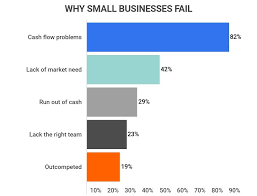
Cash flow problems are one of the most common reasons small businesses shut down early. Even profitable businesses can fail if they do not have enough cash to cover daily expenses.
New businesses usually underestimate costs such as:
- Rent
- Employee salaries
- Marketing
- Inventory
- Utilities
- Taxes
At the same time, customer sales may grow slower than expected.
Why Cash Flow Matters
A business needs money to survive every month. If expenses become larger than income for too long, the business may collapse.
Tips for Better Financial Management
- Track all expenses carefully
- Create a monthly budget
- Avoid unnecessary spending
- Keep emergency savings
- Monitor cash flow weekly
- Use accounting software
Financial discipline is essential for business survival.
Poor Market Research
Another major reason why small businesses fail in first year is a lack of understanding about the market. Some entrepreneurs launch products or services without checking whether customers actually want them.
You may love your idea, but customers may not see value in it.
Common Market Research Mistakes
- Ignoring customer needs
- Not studying competitors
- Choosing the wrong target audience
- Overpricing products
- Entering a saturated market
How to Conduct Better Research
Before starting your business:
- Survey potential customers
- Study competitors
- Analyze pricing trends
- Understand local demand
- Identify customer pain points
Businesses that solve real problems have a better chance of success.
Weak Marketing Strategy
Many business owners believe customers will automatically come once the business opens. Unfortunately, this rarely happens.
Without marketing, people may never hear about your business.
Why Marketing Is Important
Marketing helps businesses:
- Build brand awareness
- Attract new customers
- Increase sales
- Build trust
- Stay competitive
Small businesses that ignore marketing often struggle to survive.
Common Marketing Mistakes
- No online presence
- Poor social media activity
- Inconsistent branding
- No advertising budget
- Ignoring customer reviews
Smart Marketing Tips
- Create a professional website
- Use social media regularly
- Focus on local SEO
- Encourage customer reviews
- Offer promotions and discounts
- Build email lists
Effective marketing does not always require a huge budget. Consistency matters more.
Choosing the Wrong Location
For physical businesses, location can determine success or failure. A great product in a poor location may not attract enough customers.
Problems With Bad Locations
- Low foot traffic
- High rent
- Limited parking
- Poor visibility
- Unsafe areas
Restaurants, retail stores, salons, and cafes especially depend on good locations.
How to Choose the Right Location
Consider:
- Customer accessibility
- Nearby competitors
- Rental costs
- Population density
- Local demand
Always research the area before signing a lease.
Poor Management Skills
A business owner may be talented in one area but lack management experience. Running a business requires multiple skills, including leadership, communication, organization, and problem-solving.
Signs of Poor Management
- Disorganized operations
- Employee conflicts
- Missed deadlines
- Lack of accountability
- Poor customer service
Poor leadership can damage team morale and reduce productivity.
Improving Management Skills
- Learn basic business management
- Attend workshops and courses
- Hire experienced staff
- Delegate responsibilities
- Improve communication skills
Strong leadership creates a healthier work environment.
Ignoring Customer Experience
Customers are the heart of every business. If customers have bad experiences, they may never return.
One negative review can influence many potential buyers.
Common Customer Service Mistakes
- Slow responses
- Rude behavior
- Poor product quality
- Delayed deliveries
- Lack of support
Businesses that ignore customer satisfaction often lose trust quickly.
Ways to Improve Customer Experience
- Respond to inquiries quickly
- Train staff properly
- Listen to customer feedback
- Offer quality products
- Solve complaints professionally
Happy customers often become loyal supporters and recommend your business to others.
Hiring the Wrong Employees
Employees play a major role in business success. Hiring unskilled or unmotivated workers can create serious problems.
Common Hiring Mistakes
- Hiring too quickly
- Ignoring experience
- Poor training
- Lack of teamwork
- Weak company culture
Bad employees can harm customer relationships and reduce efficiency.
Smart Hiring Tips
- Conduct proper interviews
- Check references
- Provide clear training
- Create a positive work culture
- Reward good performance
A strong team can help a business grow faster.
Lack of Adaptability
Markets change constantly. Customer preferences, technology, and trends evolve quickly. Businesses that fail to adapt may struggle to survive.
Examples of Poor Adaptability
- Ignoring online sales
- Refusing digital marketing
- Not updating products
- Avoiding customer feedback
Businesses that stay flexible usually perform better during difficult times.
How to Stay Adaptable
- Monitor industry trends
- Use customer feedback
- Invest in technology
- Test new ideas
- Learn from competitors
Innovation is important for long-term growth.
Overexpansion Too Early
Some businesses grow too quickly before establishing a stable foundation. Expanding too fast can increase costs and create financial stress.
Examples of Early Overexpansion
- Opening multiple locations too soon
- Hiring too many employees
- Buying unnecessary equipment
- Increasing inventory excessively
Growth should happen gradually and strategically.
Smart Growth Strategies
- Focus on stable profits first
- Expand slowly
- Monitor performance carefully
- Avoid unnecessary debt
Controlled growth is safer than rapid expansion.
Pricing Products Incorrectly
Pricing mistakes are another reason why small businesses fail in first year. Some businesses set prices too high and scare away customers. Others set prices too low and lose profits.
Pricing Challenges
- Underestimating expenses
- Ignoring competitor pricing
- Offering too many discounts
- Failing to calculate profit margins
How to Price Products Properly
- Understand production costs
- Research competitors
- Know your target audience
- Calculate profit margins carefully
Good pricing balances customer value and business profitability.
Failure to Build an Online Presence
Today, customers search online before buying products or services. Businesses without an online presence may lose many opportunities.
Why Digital Presence Matters
Customers expect businesses to have:
- Websites
- Social media accounts
- Online reviews
- Google listings
Businesses that ignore digital platforms may appear outdated or unreliable.
Important Online Strategies
- Create a mobile-friendly website
- Use Google Business Profile
- Stay active on social media
- Share useful content
- Optimize for search engines
Digital visibility can significantly increase customer reach.
Lack of Passion and Commitment
Running a business requires patience and hard work. Some entrepreneurs give up too early when challenges appear.
The first year is often stressful because business owners face:
- Financial pressure
- Long working hours
- Slow growth
- Competition
- Uncertainty
Without commitment, many businesses fail before they have a chance to succeed.
Staying Motivated
- Set realistic expectations
- Celebrate small wins
- Learn from failures
- Focus on long-term goals
Persistence is one of the most valuable qualities in entrepreneurship.
Economic and External Factors
Sometimes businesses fail due to circumstances beyond their control. Economic downturns, inflation, natural disasters, and changing regulations can affect small businesses heavily.
Examples of External Challenges
- Rising operating costs
- Supply chain issues
- Economic recession
- Pandemic-related disruptions
Although businesses cannot control these events, preparation can reduce risks.
Risk Management Tips
- Build emergency funds
- Diversify income sources
- Reduce unnecessary debt
- Stay informed about industry changes
Prepared businesses recover faster during difficult times.
How Small Businesses Can Increase Their Chances of Success
Understanding why small businesses fail in first year is important, but avoiding those mistakes is even more valuable.
Here are practical ways to improve success rates:
Build a Strong Business Plan
A clear roadmap keeps the business focused and organized.
Manage Finances Carefully
Track expenses, maintain cash reserves, and avoid overspending.
Focus on Customer Satisfaction
Happy customers often return and recommend your business.
Invest in Marketing
Consistent marketing helps attract and retain customers.
Learn Continuously
Business owners should improve their skills regularly.
Stay Flexible
Adapting to market changes helps businesses remain competitive.
Start Small and Grow Slowly
Stable growth is healthier than rapid expansion.
Conclusion
Starting a small business is rewarding, but it also comes with challenges. Many entrepreneurs fail during the first year because of poor planning, financial mistakes, weak marketing, lack of research, and poor customer service.
Understanding why small businesses fail in first year helps entrepreneurs prepare for obstacles and make smarter decisions. Success does not happen overnight, but businesses with strong planning, financial discipline, customer focus, and adaptability have a much better chance of surviving and growing.
Every successful company once faced struggles during its early days. Learning from common mistakes can help new business owners build stronger, more sustainable businesses for the future.
FAQ
Why do most small businesses fail in the first year?
Most small businesses fail because of poor planning, cash flow problems, weak marketing, lack of market research, and poor management decisions.
What is the biggest reason why small businesses fail in first year?
Cash flow issues are often the biggest reason. Many businesses run out of money before becoming profitable.
How important is marketing for small businesses?
Marketing is extremely important because it helps businesses attract customers, build brand awareness, and increase sales.
Can poor customer service cause business failure?
Yes, poor customer service can damage a company’s reputation and lead to loss of customers and revenue.
How can small businesses survive their first year?
Small businesses can survive by managing finances carefully, creating strong business plans, understanding customer needs, and staying adaptable.
Is competition a reason small businesses fail?
Yes, strong competition can make it difficult for new businesses to attract customers, especially if they lack unique value or proper marketing.
Why is market research important before starting a business?
Market research helps business owners understand customer demand, competitor strategies, pricing trends, and potential opportunities.
Can online presence help small businesses succeed?
Yes, a strong online presence improves visibility, attracts customers, and helps businesses compete in today’s digital world.