
Scaling a business is one of the biggest goals for entrepreneurs. Every small business owner wants to grow revenue, attract more customers, and increase profits. However, growth without a proper plan can create stress, financial problems, and operational challenges. That is why understanding how to scale a small business the right way is important for long-term success.
Scaling is different from simple business growth. Growth often means increasing revenue while also increasing costs. Scaling means increasing revenue faster than expenses. A scalable business can serve more customers efficiently without losing quality or profitability.
Whether you run an online store, local service business, startup, or home-based company, this guide will help you understand the exact steps needed to scale successfully.
What Does It Mean to Scale a Small Business?
Scaling a business means expanding operations, sales, and customer reach while maintaining or improving efficiency. A scalable business system allows you to grow without doubling your workload or expenses.
For example, if a bakery increases sales by hiring ten more workers and renting another building, that is growth. But if the bakery improves systems, automates orders, and increases production without huge costs, that is scaling.
Learning how to scale a small business helps entrepreneurs build sustainable profits and create long-term stability.
Why Scaling Matters for Small Businesses
Many small businesses remain stuck because owners handle everything themselves. Without systems and strategy, growth becomes difficult.
Here are some major benefits of scaling:
- Higher revenue potential
- Better brand recognition
- Increased market share
- Improved operational efficiency
- Stronger customer loyalty
- More business opportunities
- Greater long-term profitability
Scaling also helps business owners move from surviving to building a stable and valuable company.
Step 1: Build a Strong Business Foundation
Before scaling, make sure your business foundation is stable. Expanding too early can lead to financial losses and customer dissatisfaction.
Focus on these areas first:
Stable Revenue
Your business should have consistent monthly income. If sales fluctuate heavily, scaling may become risky.
Clear Business Model
Understand exactly how your business makes money. Your pricing, products, and customer acquisition process should already work successfully.
Financial Management
Track profits, expenses, taxes, and cash flow carefully. Poor financial management is one of the main reasons businesses fail during expansion.
Customer Satisfaction
Happy customers are essential for sustainable growth. Positive reviews and repeat customers indicate that your business is ready for the next stage.
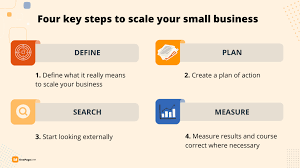
Step 2: Create a Scalable Business Plan
A growth plan helps you scale strategically instead of making random decisions.
Your scalable business plan should include:
Revenue Goals
Set realistic short-term and long-term targets.
Growth Strategy
Decide how you want to expand:
- Online sales
- New locations
- New products
- Partnerships
- Franchising
- Digital marketing
Budget Planning
Scaling often requires investment. Calculate expected costs for:
- Marketing
- Hiring
- Software
- Equipment
- Inventory
Risk Assessment
Prepare for possible challenges like market competition, supply issues, or cash flow problems.
Having a roadmap makes scaling more organized and less stressful.
Step 3: Understand Your Ideal Customers
One of the most important steps in how to scale a small business is identifying the right audience.
You should know:
- Who your customers are
- What problems they face
- Why they choose your business
- What motivates them to buy
Use customer data, surveys, and analytics to understand buying behavior.
When you know your audience well, marketing becomes more effective and affordable.
Step 4: Improve Your Products or Services
Before expanding, ensure your products or services deliver real value.
Ask yourself:
- What do customers love most?
- What complaints appear frequently?
- Can quality improve?
- Is pricing competitive?
Businesses that scale successfully usually focus on solving customer problems better than competitors.
You can also increase profits by:
- Offering premium services
- Creating subscription plans
- Bundling products
- Introducing upsells
Strong products create loyal customers and generate referrals naturally.
Step 5: Automate Repetitive Tasks
Automation is essential for business scalability.
If you spend all day doing repetitive tasks manually, growth becomes difficult.
Automation can help with:
- Email marketing
- Customer support
- Social media scheduling
- Inventory management
- Appointment booking
- Payment processing
- Accounting
Using technology saves time, reduces errors, and improves efficiency.
Popular tools for automation include:
- CRM software
- Email marketing platforms
- Accounting software
- Project management tools
Automation allows business owners to focus on strategy instead of daily repetitive work.
Step 6: Build a Strong Team
A business cannot scale if one person handles everything alone.
Hiring the right people is crucial for growth.
Start by identifying tasks that consume most of your time:
- Customer service
- Marketing
- Administration
- Sales
- Operations
Delegate these responsibilities to skilled employees or freelancers.
Hire Slowly but Smartly
Do not rush recruitment. Choose people who align with your company culture and vision.
Train Employees Properly
Clear systems and training improve productivity and consistency.
Encourage Team Communication
Strong communication reduces confusion and helps teams work efficiently during expansion.
A reliable team creates stability as your business grows.
Step 7: Focus on Marketing and Brand Awareness
Marketing plays a major role in scaling a business.
If people do not know your brand exists, growth becomes limited.
Build an Online Presence
Today, every business needs digital visibility.
Focus on:
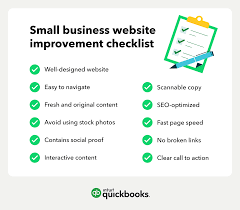
- Professional website
- Search engine optimization (SEO)
- Social media marketing
- Email marketing
- Content marketing
Use SEO to Increase Traffic
SEO helps customers find your business online organically.
For example, targeting keywords like how to scale a small business can attract business owners searching for guidance.
Invest in Paid Advertising
Platforms like Google Ads and Facebook Ads can generate faster results when used correctly.
Create Valuable Content
Blogs, videos, and educational posts build trust and authority.
Helpful content positions your brand as an expert in the industry.
Step 8: Strengthen Customer Relationships
Customer retention is cheaper than constantly finding new customers.
Businesses that scale successfully focus heavily on customer experience.
Ways to improve customer relationships:
- Fast response times
- Personalized communication
- Loyalty programs
- Follow-up emails
- Excellent support service
Satisfied customers often recommend businesses to friends and family, creating organic growth.
Step 9: Monitor Key Business Metrics
Data-driven decisions are essential when scaling.
Track important metrics such as:
- Revenue growth
- Profit margins
- Customer acquisition cost
- Customer lifetime value
- Conversion rates
- Website traffic
- Customer retention rate
Monitoring these numbers helps identify problems early and improve business performance.
Step 10: Expand Strategically
Scaling should happen gradually and strategically.
Avoid growing too fast without proper infrastructure.
Possible Expansion Methods
Launch New Products
Adding related products can increase revenue from existing customers.
Enter New Markets
You can expand to new cities, states, or countries.
Franchise Your Business
If your model is successful, franchising may become a scalable option.
Partner With Other Businesses
Collaborations help increase visibility and customer reach.
Choose expansion strategies based on your industry, budget, and goals.
Step 11: Maintain Cash Flow
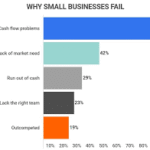
Many growing businesses fail because they run out of cash.
Scaling often requires upfront investment before profits increase.
To maintain healthy cash flow:
- Reduce unnecessary expenses
- Negotiate better supplier deals
- Monitor spending carefully
- Keep emergency reserves
- Invoice customers promptly
Strong cash flow gives your business stability during expansion.
Step 12: Develop Leadership Skills
As your company grows, your role as a business owner changes.
Instead of handling every task personally, you become a leader and strategist.
Important leadership skills include:
- Communication
- Decision-making
- Problem-solving
- Time management
- Team motivation
Successful scaling depends heavily on strong leadership.
Common Mistakes to Avoid When Scaling
Many entrepreneurs make avoidable mistakes during growth.
Scaling Too Quickly
Rapid expansion without preparation can damage operations and customer experience.
Ignoring Customer Feedback
Customer opinions help improve products and services.
Poor Hiring Decisions
Wrong employees can reduce productivity and harm company culture.
Weak Financial Planning
Lack of budgeting creates cash flow problems.
Trying to Do Everything Alone
Delegation is essential for sustainable growth.
Learning from these mistakes can save time and money.
Best Industries for Scalable Small Businesses
Some industries naturally offer strong scalability opportunities.
Examples include:
- E-commerce
- Digital marketing
- Software services
- Online education
- Consulting
- Subscription businesses
- Content creation
- Health and wellness
These industries often benefit from automation and online reach.
How Long Does It Take to Scale a Small Business?
Scaling timelines vary depending on:
- Industry
- Market demand
- Budget
- Experience
- Team size
Some businesses scale within one or two years, while others may take longer.
The key is consistent improvement and smart decision-making.
Sustainable growth is usually more successful than rapid uncontrolled expansion.
Final Thoughts
Understanding how to scale a small business is essential for entrepreneurs who want long-term success. Scaling requires planning, systems, leadership, financial management, and customer focus.
The process may feel challenging at first, but small consistent improvements create powerful results over time.
Start by building a strong foundation, improving efficiency, automating tasks, and creating excellent customer experiences. Focus on sustainable growth instead of rushing expansion.
Every successful large company once started as a small business. With the right strategy, patience, and dedication, your business can grow into something much bigger.
FAQ About How to Scale a Small Business
What is the first step in scaling a small business?
The first step is creating a stable business foundation with consistent revenue, satisfied customers, and organized financial management.
How much money do I need to scale my business?
The amount depends on your industry and growth strategy. Some businesses scale with minimal investment using digital tools, while others require larger budgets.
Can a small business scale without employees?
Yes, some online businesses and automated service businesses can scale with freelancers, software, and outsourcing instead of full-time employees.
Why do many small businesses fail while scaling?
Common reasons include poor cash flow management, scaling too quickly, weak leadership, and lack of systems.
Is digital marketing important for scaling?
Yes, digital marketing helps businesses reach more customers, improve brand awareness, and generate consistent sales online.
How can automation help scale a business?
Automation reduces manual work, improves efficiency, saves time, and allows businesses to handle larger customer volumes.
What is the difference between growth and scaling?
Growth usually increases both revenue and expenses. Scaling increases revenue faster than costs, improving efficiency and profitability.
How do I know if my business is ready to scale?
Your business may be ready if you have stable profits, strong demand, repeat customers, efficient systems, and a clear growth strategy.