
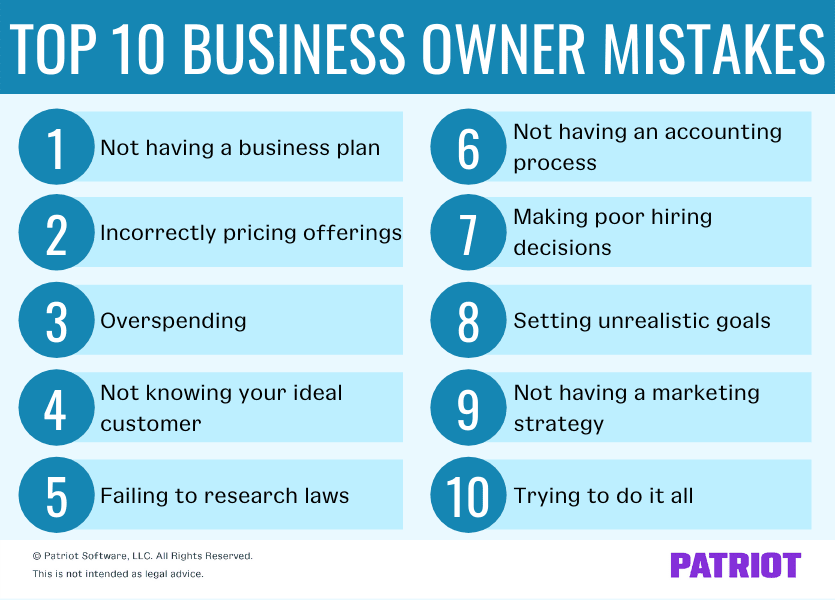

Running a small business is exciting, but it also comes with challenges that can affect growth, profits, and long-term success. Many entrepreneurs start with passion and big ideas, yet they often make avoidable mistakes that slow down their progress. Understanding the common mistakes small business owners make can help entrepreneurs build stronger businesses, improve customer relationships, and avoid financial problems.
Whether you are starting a new company or already managing one, learning from these mistakes can save time, money, and stress.
Lack of a Clear Business Plan
One of the most common mistakes small business owners make is starting a business without a proper plan. Many entrepreneurs focus only on selling products or services without defining goals, strategies, or financial expectations.
A business plan acts like a roadmap. It helps business owners understand their target audience, market competition, pricing strategy, and future goals. Without a clear direction, businesses often struggle with decision-making and growth.
A good business plan should include:
- Business goals
- Target market research
- Budget planning
- Marketing strategies
- Revenue expectations
- Operational plans
Even a simple business plan can improve focus and organization.
Ignoring Financial Management
Poor financial management is one of the biggest reasons small businesses fail. Many business owners do not track expenses, manage cash flow, or separate personal and business finances.
Business owners sometimes believe sales alone guarantee success, but profitability matters more than revenue. A company may generate income yet still struggle because of overspending or poor budgeting.
Common financial mistakes include:
- Not tracking expenses
- Spending profits too quickly
- Ignoring taxes
- Taking unnecessary loans
- Failing to maintain emergency funds
Using accounting software or hiring a professional accountant can help manage finances more effectively.
Trying to Do Everything Alone
Many entrepreneurs believe they must handle every task themselves. While this may work in the beginning, it often leads to burnout and reduced productivity.
Delegating responsibilities is essential for business growth. Owners who try to manage marketing, accounting, customer service, inventory, and operations alone usually become overwhelmed.
Hiring skilled employees or outsourcing certain tasks can improve efficiency and allow owners to focus on important business decisions.
Poor Marketing Strategies
Another major issue among the common mistakes small business owners make is weak marketing. Some businesses rely only on word-of-mouth marketing and ignore digital platforms.
Without effective marketing, potential customers may never discover the business. Modern businesses need both online and offline marketing strategies to stay competitive.
Important marketing methods include:
- Social media marketing
- Search engine optimization (SEO)
- Email marketing
- Content marketing
- Local advertising
- Customer referral programs
Consistency is also important. Businesses that market regularly often attract more loyal customers.
Not Understanding the Target Audience
Many businesses fail because they try to sell to everyone instead of focusing on a specific audience. Understanding customer needs is essential for creating successful products and services.
Business owners should research:
- Customer age groups
- Buying behavior
- Interests
- Pain points
- Budget preferences
When businesses understand their audience, they can create better marketing campaigns and improve customer satisfaction.
Pricing Products Incorrectly
Incorrect pricing can damage a business quickly. Some owners set prices too low to attract customers, while others overprice products without offering enough value.
Low pricing may reduce profits and create financial pressure. High pricing can drive customers away.
Proper pricing should consider:
- Production costs
- Market competition
- Business expenses
- Customer expectations
- Profit margins
Reviewing pricing strategies regularly helps businesses remain competitive and profitable.
Neglecting Customer Service
Customer service plays a major role in business success. One negative customer experience can lead to bad reviews and lost opportunities.
Some small business owners focus more on gaining new customers than retaining existing ones. However, loyal customers often bring repeat business and referrals.
Good customer service includes:
- Responding quickly to inquiries
- Handling complaints professionally
- Offering helpful support
- Maintaining positive communication
- Showing appreciation to customers
Satisfied customers are more likely to recommend the business to others.
Hiring the Wrong People
Employees can either strengthen or weaken a business. Hiring workers without proper skills, experience, or attitude often creates operational problems.
Business owners should avoid rushing the hiring process. Instead, they should carefully evaluate candidates based on:
- Experience
- Communication skills
- Reliability
- Work ethic
- Team compatibility
Training employees properly is equally important for maintaining quality service.
Ignoring Online Presence
In today’s digital world, businesses without an online presence often struggle to compete. Many customers search online before purchasing products or services.
A professional website and active social media profiles help businesses build credibility and attract customers.
An effective online presence should include:
- Mobile-friendly website
- Social media activity
- Customer reviews
- Contact information
- Search engine optimization
Businesses that ignore digital platforms may lose potential customers to competitors.
Failure to Adapt to Change
Markets constantly evolve, and businesses that refuse to adapt often fall behind. Consumer preferences, technology, and industry trends continue changing every year.
Successful business owners stay updated with:
- Market trends
- Customer expectations
- Industry innovations
- Competitor strategies
Being flexible helps businesses remain competitive and discover new opportunities.
Poor Time Management
Time management is another serious challenge for entrepreneurs. Many small business owners spend too much time on minor tasks instead of focusing on business growth.
Poor scheduling often leads to missed deadlines, reduced productivity, and unnecessary stress.
Helpful time management practices include:
- Setting daily priorities
- Using productivity tools
- Delegating tasks
- Creating schedules
- Avoiding distractions
Managing time effectively improves efficiency and work-life balance.
Expanding Too Quickly
Growth is exciting, but expanding too fast can create financial and operational problems. Some businesses open new locations, hire too many employees, or increase inventory without proper planning.
Rapid expansion may lead to:
- Cash flow issues
- Reduced product quality
- Customer service problems
- Increased debt
Business growth should happen gradually and strategically.
Lack of Market Research
Starting a business without researching the market is risky. Some entrepreneurs assume their product will succeed without understanding competition or customer demand.
Market research helps businesses identify:
- Industry trends
- Customer needs
- Competitor strengths
- Pricing opportunities
- Potential risks
Businesses that invest time in research often make better decisions.
Ignoring Legal Requirements
Many entrepreneurs overlook licenses, taxes, contracts, or business regulations. Legal mistakes can result in penalties, lawsuits, or even business closure.
Business owners should ensure they follow:
- Tax regulations
- Employment laws
- Business registration requirements
- Licensing rules
- Data protection policies
Consulting legal professionals can prevent costly mistakes.
Not Building Strong Relationships
Relationships are important in every business. Owners who fail to connect with customers, employees, suppliers, or partners may limit growth opportunities.
Networking helps businesses gain:
- New customers
- Partnerships
- Industry knowledge
- Support systems
Strong professional relationships often create long-term benefits.
Overlooking Employee Satisfaction
Happy employees are usually more productive and motivated. Business owners who ignore workplace culture may experience high employee turnover.
Simple ways to improve employee satisfaction include:
- Offering fair salaries
- Providing training opportunities
- Recognizing achievements
- Encouraging communication
- Creating a positive work environment
A motivated team can improve business performance significantly.
Lack of Consistency
Consistency builds trust and brand recognition. Some businesses frequently change their pricing, branding, products, or customer service quality.
Customers prefer businesses that provide reliable experiences. Consistency in marketing, service quality, and communication strengthens customer confidence.
Fear of Taking Calculated Risks
While reckless decisions are dangerous, avoiding all risks can also prevent growth. Many business owners miss opportunities because they fear failure.
Successful entrepreneurs often take calculated risks after analyzing possible outcomes. Smart risk-taking can lead to innovation, expansion, and higher profits.
Not Tracking Business Performance
Businesses that do not measure performance may struggle to identify problems. Tracking key metrics helps owners understand what works and what needs improvement.
Important business metrics include:
- Sales growth
- Customer retention
- Profit margins
- Website traffic
- Marketing results
Regular analysis allows businesses to make informed decisions.
Conclusion
Understanding the common mistakes small business owners make is essential for long-term success. Every entrepreneur faces challenges, but learning from these common errors can improve decision-making and business growth.
From poor financial management to weak marketing and lack of planning, small mistakes can create major problems over time. However, business owners who stay organized, adapt to changes, focus on customer satisfaction, and continue learning can build strong and successful companies.
Running a business requires patience, strategy, and continuous improvement. Avoiding these mistakes can help entrepreneurs create sustainable growth and achieve their business goals.
FAQ
What are the most common mistakes small business owners make?
The most common mistakes small business owners make include poor financial management, weak marketing, lack of planning, ignoring customer service, and trying to do everything alone.
Why do many small businesses fail?
Many small businesses fail because of cash flow problems, lack of market research, poor management, and ineffective marketing strategies.
How can small business owners avoid financial mistakes?
Business owners can avoid financial mistakes by tracking expenses, managing budgets carefully, separating personal and business finances, and maintaining emergency funds.
Why is customer service important for small businesses?
Good customer service builds trust, increases customer loyalty, and improves business reputation. Satisfied customers are more likely to recommend the business.
How important is digital marketing for small businesses?
Digital marketing is extremely important because most customers search online before making purchases. Social media, SEO, and email marketing help businesses attract new customers.
Should small business owners hire employees early?
Hiring depends on business needs and budget. However, delegating tasks at the right time can improve productivity and reduce burnout.
What is the biggest challenge for small business owners?
One of the biggest challenges is balancing finances, operations, marketing, and customer service while maintaining consistent growth.
How can entrepreneurs improve business success?
Entrepreneurs can improve success by planning carefully, learning continuously, adapting to market changes, and focusing on customer satisfaction.