

Running a small business comes with many rewards, but it also brings unexpected challenges. Economic downturns, customer complaints, cyberattacks, supply chain disruptions, natural disasters, and financial emergencies can affect businesses at any time. This is why understanding crisis management tips for small business owners is essential for long-term success.
A crisis can damage a company’s reputation, reduce customer trust, interrupt operations, and create financial losses. However, businesses that prepare in advance often recover faster and emerge stronger. Effective crisis management is not only about solving problems when they happen. It is about planning ahead, communicating clearly, and making smart decisions under pressure.
This guide explains practical and human-focused strategies that small business owners can use to protect their businesses during difficult times.
What Is Crisis Management?
Crisis management is the process of preparing for, responding to, and recovering from unexpected events that threaten a business. A crisis may include:
- Financial problems
- Product failures
- Negative publicity
- Data breaches
- Employee conflicts
- Natural disasters
- Supply chain disruptions
- Legal issues
- Public health emergencies
Good crisis management helps businesses reduce damage and continue operating during difficult situations.
Why Crisis Management Matters for Small Businesses
Large corporations often have dedicated crisis management teams and large budgets. Small businesses usually operate with fewer resources, making them more vulnerable during emergencies.
Without preparation, even a small problem can grow into a major crisis. A delayed response may lead to lost customers, damaged reputation, and reduced revenue.
Using effective crisis management tips for small business owners can help:
- Protect company reputation
- Maintain customer trust
- Reduce financial losses
- Improve employee confidence
- Speed up recovery
- Keep operations running smoothly
Prepared businesses are more likely to survive difficult situations and continue growing.
Identify Potential Risks Early
The first step in crisis management is identifying risks before they become serious problems.
Every business faces different types of threats depending on its industry, location, and operations. Take time to analyze possible risks and weak points in your business.
Common risks include:
Financial Risks
Cash flow shortages, rising expenses, or unpaid invoices can create financial pressure.
Technology Risks
Cybersecurity threats, website crashes, and data breaches can interrupt operations and harm customer trust.
Operational Risks
Supplier delays, equipment failures, or staffing shortages may affect productivity.
Reputation Risks
Negative reviews, customer complaints, or social media backlash can quickly spread online.
Natural Disasters
Floods, fires, earthquakes, or storms may damage business property and disrupt operations.
Creating a list of possible risks helps you prepare solutions in advance.
Create a Crisis Management Plan
One of the most important crisis management tips for small business owners is having a written crisis management plan.
A crisis plan outlines how your business will respond during emergencies. It should include:
- Emergency contact information
- Team responsibilities
- Communication procedures
- Backup systems
- Financial contingency plans
- Recovery strategies
Keep the plan simple, clear, and easy to access. Review and update it regularly as your business changes.
Build an Emergency Communication Strategy
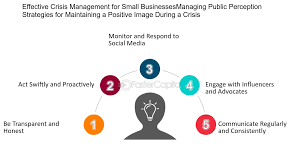
Clear communication is essential during a crisis. Customers, employees, suppliers, and business partners need accurate information quickly.
Poor communication can increase confusion and damage trust.
Communicate Honestly
Be transparent about the situation without spreading panic. Honest communication builds credibility.
Respond Quickly
Delays can create rumors and uncertainty. Even if you do not have all the answers, acknowledge the issue and provide updates.
Use Multiple Channels
Communicate through email, social media, phone calls, or your website to reach people effectively.
Assign a Spokesperson
Choose one person to handle public communication. This helps avoid mixed messages.
Strong communication can protect your brand reputation during difficult situations.
Protect Your Business Finances
Financial preparation is critical during emergencies. Many small businesses fail because they run out of cash during a crisis.
Build an Emergency Fund
Set aside savings to cover operating expenses for several months if revenue decreases unexpectedly.
Monitor Cash Flow
Track income and expenses regularly so you can identify problems early.
Reduce Unnecessary Costs
Review subscriptions, inventory, and operating expenses to improve financial flexibility.
Diversify Revenue Streams
Relying on one product, service, or client increases risk. Multiple income sources improve business stability.
Maintain Good Relationships With Lenders
Strong banking relationships may help you access emergency funding when needed.
Financial planning creates stability during uncertain times.
Train Employees for Emergencies
Employees play an important role during crises. A well-trained team can respond faster and more effectively.
Provide training on:
- Emergency procedures
- Cybersecurity awareness
- Customer communication
- Workplace safety
- Remote work systems
Conduct regular practice drills to improve preparedness.
When employees understand their responsibilities, they feel more confident during stressful situations.
Focus on Cybersecurity Protection
Cyber threats are increasing for businesses of all sizes. Small businesses are often targeted because they may have weaker security systems.
Use Strong Passwords
Encourage employees to create unique passwords and enable multi-factor authentication.
Back Up Data Regularly
Store backups securely in cloud systems or external drives.
Install Security Software
Use antivirus software, firewalls, and updated security systems.
Train Staff About Scams
Employees should recognize phishing emails and suspicious links.
Update Software Frequently
Outdated software can create security vulnerabilities.
Protecting customer and company data is essential for maintaining trust and preventing financial losses.
Maintain Strong Customer Relationships
Customer loyalty becomes especially important during a crisis.
Businesses that communicate openly and support customers during difficult times often strengthen their reputation.
Listen to Customer Concerns
Pay attention to feedback and respond professionally.
Offer Flexible Solutions
Provide refunds, discounts, or alternative services when possible.
Stay Active on Social Media
Customers appreciate businesses that remain visible and responsive.
Show Empathy
People remember how businesses treat them during stressful situations.
Strong customer relationships can help businesses recover faster after a crisis.
Develop a Business Continuity Plan
A business continuity plan focuses on keeping operations running during disruptions.
It should include:
- Remote work strategies
- Backup suppliers
- Alternative communication systems
- Inventory management plans
- Temporary operating procedures
For example, if one supplier fails, having backup suppliers can reduce delays.
Business continuity planning helps minimize downtime and revenue loss.
Monitor Your Online Reputation
Online reputation management is a major part of modern crisis management.
Negative comments and bad reviews can spread quickly online.
Monitor Social Media
Check customer feedback regularly and respond professionally.
Address Complaints Calmly
Avoid emotional responses. Focus on solving problems respectfully.
Encourage Positive Reviews
Satisfied customers can help balance negative feedback.
Correct False Information
Respond politely with accurate information when rumors or misinformation appear.
Protecting your reputation helps maintain customer confidence.
Stay Flexible and Adapt Quickly
One of the most valuable crisis management tips for small business owners is learning to adapt quickly.
Business environments can change rapidly. Flexible companies often recover faster because they adjust their strategies when needed.
Examples of adaptability include:
- Offering online services
- Changing marketing strategies
- Introducing new products
- Shifting to remote work
- Finding new suppliers
Business owners who remain open-minded and proactive can handle uncertainty more effectively.
Build Strong Supplier Relationships
Reliable suppliers are important during emergencies.
Stay in regular contact with suppliers and discuss potential risks in advance.
Avoid Depending on One Supplier
Working with multiple suppliers reduces the chance of major disruptions.
Review Contracts Carefully
Understand delivery terms, pricing, and emergency procedures.
Communicate Early
If problems arise, early communication may help prevent delays.
Strong supplier relationships improve business stability during crises.
Learn From Past Crises
Every crisis provides lessons that can improve future preparedness.
After a difficult situation, review:
- What worked well
- What failed
- Customer feedback
- Financial impact
- Team performance
Use these insights to update your crisis management plan.
Continuous improvement strengthens your business over time.
Take Care of Mental Health
Crises create stress for business owners and employees. Mental health support is often overlooked but extremely important.
Encourage Open Communication
Allow employees to discuss concerns and ask questions.
Avoid Burnout
Take breaks and manage workloads realistically.
Seek Professional Support
Business mentors, counselors, or support groups can help during stressful periods.
Healthy leaders make better decisions during challenging situations.
Use Technology to Improve Crisis Response
Technology can help businesses manage crises more efficiently.
Useful tools include:
- Cloud storage systems
- Project management software
- Customer relationship management tools
- Video conferencing platforms
- Automated backup systems
Digital tools improve communication, organization, and operational continuity.
Work With Professional Advisors
Experienced professionals can provide valuable guidance during crises.
Consider building relationships with:
- Accountants
- Lawyers
- Insurance advisors
- IT specialists
- Business consultants
Professional advice helps businesses avoid costly mistakes.
Importance of Insurance Coverage
Insurance can reduce financial damage during emergencies.
Review your policies regularly to ensure proper coverage for:
- Property damage
- Cybersecurity incidents
- Liability claims
- Business interruption
- Employee safety
The right insurance policy provides financial protection and peace of mind.
Conclusion
Every business faces unexpected challenges at some point. The difference between success and failure often depends on preparation, communication, and adaptability.
These crisis management tips for small business owners can help protect operations, maintain customer trust, and improve recovery during difficult times. By identifying risks, creating clear plans, training employees, protecting finances, and staying flexible, small businesses can handle crises more confidently.
Crisis management is not only about surviving emergencies. It is also about building a stronger, more resilient business for the future.
FAQ About Crisis Management Tips for Small Business
What is crisis management in small business?
Crisis management is the process of preparing for and responding to unexpected events that threaten business operations, finances, or reputation.
Why is crisis management important for small businesses?
Small businesses often have limited resources, making them more vulnerable during emergencies. Crisis management helps reduce losses and improve recovery.
What are common business crises?
Common crises include financial problems, cyberattacks, customer complaints, supply chain disruptions, legal issues, and natural disasters.
How can small businesses prepare for crises?
Businesses can prepare by creating crisis management plans, training employees, building emergency funds, and maintaining strong communication systems.
How does communication help during a crisis?
Clear and honest communication helps maintain trust, reduce confusion, and protect business reputation during difficult situations.
What should be included in a crisis management plan?
A crisis management plan should include emergency contacts, communication strategies, team responsibilities, backup systems, and recovery procedures.
How can businesses protect themselves from cyber threats?
Businesses should use strong passwords, update software regularly, back up data, and train employees about cybersecurity risks.
How often should a crisis management plan be updated?
Businesses should review and update crisis management plans at least once a year or whenever major changes occur.