
Customer service plays a major role in the success of every small business. No matter how good your products or services are, customers will always remember how they were treated. A friendly conversation, quick response, or helpful solution can turn a one-time buyer into a loyal customer. On the other hand, poor service can damage a business reputation very quickly.
Many small business owners focus heavily on sales and marketing but forget that customer experience is equally important. Today, customers expect fast communication, personalized support, and professional behavior. Businesses that provide excellent service often gain repeat customers, positive reviews, and strong word-of-mouth marketing.
If you are searching for ways on how to improve customer service in small business, this guide will help you understand practical strategies that can improve customer satisfaction and grow your business naturally.
Why Customer Service Matters in a Small Business
Customer service is not just about answering questions. It is about creating a positive experience for every customer interaction. Small businesses especially benefit from strong customer relationships because loyal customers often return and recommend the business to others.
Good customer service helps a business:
- Build customer trust
- Increase repeat sales
- Improve online reviews
- Create brand loyalty
- Reduce customer complaints
- Stand out from competitors
Unlike large corporations, small businesses have the advantage of creating personal relationships with customers. This personal touch can become your biggest strength.
Understand Your Customers
The first step in improving customer service is understanding your customers’ needs and expectations. Every customer is different, so learning about your target audience helps you provide better support.
You can understand customers by:
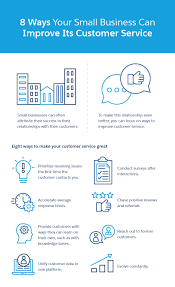
- Asking for feedback
- Reading reviews and comments
- Conducting surveys
- Monitoring customer behavior
- Listening carefully during conversations
When customers feel heard and understood, they are more likely to trust your business.
Train Your Employees Properly
Employees represent your business. Even if you have the best products, rude or unhelpful staff can drive customers away. Proper employee training is essential when learning how to improve customer service in small business.
Train employees to:
- Speak politely and professionally
- Listen actively
- Solve customer problems calmly
- Handle complaints positively
- Respond quickly to inquiries
- Show empathy and patience
Regular training sessions help employees stay confident and improve their communication skills.
Respond Quickly to Customers
Customers appreciate fast responses. Long waiting times often frustrate people and can lead them to choose competitors instead.
Try to answer:
- Emails within 24 hours
- Social media messages quickly
- Phone calls professionally
- Customer complaints immediately
Even if you cannot solve the issue instantly, letting customers know you are working on it makes a big difference.
Quick responses show customers that their time matters.
Personalize the Customer Experience
One of the biggest advantages small businesses have is personalization. Large companies may struggle to create personal connections, but small businesses can build strong relationships with customers.
Simple ways to personalize service include:
- Using customers’ names
- Remembering previous purchases
- Offering personalized recommendations
- Sending thank-you messages
- Following up after purchases
Customers enjoy feeling valued instead of treated like just another sale.
Listen to Customer Feedback
Feedback helps businesses identify strengths and weaknesses. Customers often provide valuable suggestions that can improve products, services, and overall experience.
Encourage feedback through:
- Online reviews
- Surveys
- Feedback forms
- Social media polls
- Direct conversations
Most importantly, act on the feedback you receive. Customers appreciate businesses that make improvements based on their suggestions.
Handle Complaints Professionally
No business is perfect. Mistakes happen, and customer complaints are unavoidable. However, the way you handle complaints determines whether customers stay loyal or leave permanently.
When handling complaints:
- Stay calm and respectful
- Listen carefully without interrupting
- Apologize sincerely
- Offer a practical solution
- Follow up afterward
A well-handled complaint can actually strengthen customer trust.
Improve Communication Channels
Customers want convenient ways to contact businesses. Offering multiple communication options improves accessibility and satisfaction.
Useful communication channels include:
- Phone support
- Email support
- Live chat
- Social media messaging
- WhatsApp business accounts
- Contact forms on websites
Make sure your contact information is easy to find and updated regularly.
Create a Friendly Environment
A positive environment encourages customers to return. Whether your business is online or offline, creating a welcoming atmosphere matters.
For physical stores:
- Keep the space clean
- Greet customers warmly
- Maintain organized displays
- Offer comfortable waiting areas
For online businesses:
- Use a user-friendly website
- Make navigation simple
- Respond professionally online
- Provide clear product information
Customers remember how a business makes them feel.
Use Technology to Improve Service
Technology can help small businesses provide faster and more efficient customer support.
Useful tools include:
- Customer relationship management software
- Chatbots for quick responses
- Appointment booking systems
- Email automation tools
- Help desk software
Technology should improve convenience without removing the human touch.
Reward Loyal Customers
Loyal customers are valuable for small businesses. Showing appreciation encourages repeat business and strengthens customer relationships.
Ways to reward customers include:
- Loyalty programs
- Special discounts
- Referral rewards
- Birthday offers
- Exclusive promotions
Even small gestures can make customers feel appreciated.
Maintain Consistency
Consistency is important in customer service. Customers expect the same quality experience every time they interact with your business.
To maintain consistency:
- Set service standards
- Train employees regularly
- Monitor customer interactions
- Use clear communication policies
Consistent service builds trust and reliability.
Empower Employees to Solve Problems
Customers dislike being transferred repeatedly or waiting for approvals. Empower employees to make small decisions and solve basic issues independently.
For example, employees can:
- Offer refunds within limits
- Provide replacement products
- Give discounts for inconvenience
- Resolve minor complaints quickly
This speeds up solutions and improves customer satisfaction.
Build Emotional Connections
People often support small businesses because of emotional connection and trust. Building genuine relationships can improve long-term customer loyalty.
Ways to create emotional connections include:
- Sharing your business story
- Supporting local communities
- Showing appreciation
- Being honest and transparent
- Engaging on social media
Customers connect more deeply with businesses that feel authentic.
Focus on Customer Experience
Customer experience includes every interaction customers have with your business, from browsing products to post-purchase support.
Improving overall experience may involve:
- Faster checkout processes
- Easy return policies
- Helpful staff
- Clear communication
- Reliable delivery
A smooth and pleasant experience encourages customers to come back again.
Monitor Online Reputation
Online reviews strongly influence purchasing decisions. Many customers check reviews before choosing a business.
To maintain a good reputation:
- Encourage satisfied customers to leave reviews
- Respond professionally to negative reviews
- Address customer concerns publicly when appropriate
- Maintain active social media profiles
Good reviews build trust and attract new customers.
Be Honest and Transparent
Customers value honesty. If there is a delay, issue, or mistake, communicate openly instead of hiding problems.
Transparency builds credibility and trust over time.
For example:
- Inform customers about delays
- Clearly explain pricing
- Avoid false promises
- Admit mistakes honestly
Trust is one of the most important parts of customer service.
Offer After-Sales Support
Customer service should continue even after a sale is completed. After-sales support shows customers that you genuinely care about their satisfaction.
Examples include:
- Follow-up emails
- Product usage guidance
- Warranty support
- Easy return processes
- Customer check-ins
Strong after-sales service can turn first-time buyers into repeat customers.
Learn From Competitors
Studying competitors can help you identify customer service improvements. Observe what successful businesses do well and adapt useful ideas to your own business.
Look at:
- Response times
- Review ratings
- Customer engagement
- Loyalty programs
- Communication style
Learning from others can help improve your own service strategy.
Encourage Teamwork
Good customer service requires teamwork. Employees should support one another and work together to solve customer problems effectively.
Encourage teamwork by:
- Holding regular meetings
- Sharing customer feedback
- Recognizing employee achievements
- Creating a positive work culture
Happy employees often provide better customer service.
Measure Customer Satisfaction
Tracking customer satisfaction helps you understand whether your efforts are working.
You can measure satisfaction through:
- Surveys
- Ratings
- Customer retention rates
- Repeat purchases
- Review scores
Regular monitoring allows you to make continuous improvements.
Adapt to Customer Expectations
Customer expectations change over time. Businesses must stay updated with trends and customer preferences.
Modern customers often expect:
- Fast responses
- Mobile-friendly websites
- Online ordering
- Easy payment options
- Personalized experiences
Staying flexible helps businesses remain competitive.
Common Customer Service Mistakes to Avoid
Many small businesses unknowingly damage customer relationships by making avoidable mistakes.
Common mistakes include:
- Ignoring complaints
- Slow responses
- Poor communication
- Lack of empathy
- Overpromising
- Inconsistent service
Avoiding these problems can greatly improve customer satisfaction.
Long-Term Benefits of Excellent Customer Service
Businesses that focus on customer service often experience long-term growth and stability.
Benefits include:
- Strong customer loyalty
- Increased sales
- Better brand reputation
- More referrals
- Reduced marketing costs
- Higher customer retention
Excellent customer service becomes a powerful marketing tool on its own.
Conclusion
Learning how to improve customer service in small business is essential for building long-term success. Customers today expect fast responses, personalized support, and professional communication. Small businesses have a unique advantage because they can create genuine relationships and offer a personal touch that larger companies often cannot provide.
By listening to customers, training employees, responding quickly, handling complaints professionally, and focusing on customer satisfaction, small businesses can create memorable experiences that encourage loyalty and repeat sales.
Improving customer service does not always require large investments. Sometimes simple actions like being polite, honest, and attentive can make the biggest difference. Businesses that prioritize customer experience are more likely to grow, gain positive reviews, and build a strong reputation in the market.
FAQ
What is customer service in a small business?
Customer service in a small business refers to the support and assistance provided to customers before, during, and after a purchase. It includes communication, problem-solving, and ensuring customer satisfaction.
Why is customer service important for small businesses?
Customer service helps small businesses build trust, gain loyal customers, improve reputation, and increase repeat sales. Good service also encourages positive reviews and referrals.
How can small businesses improve customer satisfaction?
Small businesses can improve customer satisfaction by responding quickly, listening to feedback, training employees, personalizing experiences, and solving customer problems effectively.
What are the best ways to handle customer complaints?
The best way to handle complaints is by staying calm, listening carefully, apologizing sincerely, and offering practical solutions quickly.
How does technology help customer service?
Technology helps businesses respond faster, manage customer data, automate support, and improve communication through tools like live chat, CRM software, and email systems.
How can employee training improve customer service?
Employee training improves communication skills, professionalism, problem-solving abilities, and confidence, leading to better customer interactions.
What are common customer service mistakes?
Common mistakes include ignoring customers, delayed responses, rude communication, inconsistent service, and failing to resolve complaints properly.
How can small businesses build customer loyalty?
Businesses can build loyalty through personalized service, loyalty rewards, excellent communication, quality products, and consistent customer support.