
Running a small business is exciting, but managing a team can sometimes feel overwhelming. Whether you have three employees or thirty, building a productive and motivated workforce is one of the biggest challenges business owners face. Learning how to manage a small business team effectively can improve productivity, reduce employee turnover, and help your business grow faster.
A strong team is not built overnight. It requires communication, leadership, trust, and a clear understanding of goals. Small business owners often wear many hats, but team management should always remain a top priority because employees directly impact customer satisfaction, sales, and company culture.
This guide will help you understand practical ways to manage your team successfully while creating a positive and professional work environment.
Why Team Management Matters in a Small Business
In a small business, every employee plays an important role. Unlike large corporations where responsibilities are divided across departments, small teams depend heavily on each individual. If communication breaks down or motivation drops, the entire business can suffer.
Good team management helps:
- Improve employee performance
- Increase workplace productivity
- Build trust among staff
- Reduce workplace conflicts
- Create a positive work culture
- Improve customer service
- Increase employee retention
When employees feel valued and supported, they are more likely to stay loyal to the business and contribute their best work.
Set Clear Goals and Expectations
One of the most important steps in learning how to manage a small business team is setting clear expectations from the beginning.
Employees should understand:
- Their daily responsibilities
- Company goals
- Performance expectations
- Deadlines and priorities
- Workplace policies
Confusion in the workplace often leads to mistakes and frustration. A clear job description and regular communication can prevent misunderstandings.
Instead of giving vague instructions, be specific. For example, rather than saying “improve customer service,” explain measurable goals such as responding to customer inquiries within two hours.
Clear goals help employees stay focused and motivated.
Hire the Right People
Team management becomes easier when you hire people who fit your company culture and values.
Skills are important, but attitude matters just as much. Employees with positive attitudes, willingness to learn, and strong communication skills often become valuable team members.
During the hiring process:
- Look for cultural fit
- Ask behavioral interview questions
- Check references carefully
- Evaluate communication skills
- Hire people who can work independently
A small business team works closely together, so personality and teamwork are extremely important.
Build Strong Communication
Communication is the foundation of every successful team. Poor communication can lead to mistakes, delays, and employee dissatisfaction.
To improve communication:
- Hold regular team meetings
- Encourage employees to ask questions
- Provide feedback frequently
- Listen actively to concerns
- Use collaboration tools when needed
Employees should feel comfortable sharing ideas and discussing problems without fear.
Open communication also helps business owners identify issues early before they become bigger problems.
Lead by Example
Employees often follow the behavior of their leader. If you want your team to be punctual, professional, and hardworking, you should demonstrate those qualities yourself.
Good leaders:
- Show respect to employees
- Stay organized
- Remain calm under pressure
- Accept responsibility for mistakes
- Maintain a positive attitude
Leadership is not about controlling employees. It is about guiding, supporting, and inspiring them to perform at their best.
A respectful and professional leader creates a healthy workplace culture.
Delegate Responsibilities Properly
Many small business owners struggle with delegation because they want to control every aspect of the business. However, trying to do everything alone can lead to burnout and slow growth.
Delegation allows employees to take ownership of tasks and develop new skills.
When delegating:
- Match tasks to employee strengths
- Provide clear instructions
- Set deadlines
- Avoid micromanaging
- Trust your team
Delegating effectively frees up your time so you can focus on growing the business.
Create a Positive Work Environment
Employees perform better when they enjoy coming to work. A positive workplace improves morale, teamwork, and productivity.
You do not need a huge budget to create a supportive environment.
Simple ways include:
- Recognizing employee achievements
- Celebrating milestones
- Encouraging teamwork
- Maintaining a clean workspace
- Offering flexibility when possible
Small gestures like appreciation and encouragement can make employees feel valued.
A positive culture also reduces stress and workplace conflicts.
Provide Training and Development
Employees need opportunities to grow and improve their skills. Training helps team members become more confident and productive.
Training can include:
- Onboarding programs
- Workshops
- Online courses
- Mentorship
- Skill development sessions
Investing in employee growth benefits both the worker and the business.
When employees feel they are learning and progressing, they are more likely to stay motivated and loyal.
Use Time Management Strategies
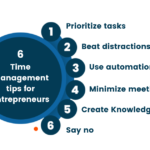
Time management is essential when managing a small business team. Without proper planning, deadlines can be missed and productivity may decrease.
Useful time management practices include:
- Prioritizing important tasks
- Setting realistic deadlines
- Using project management tools
- Avoiding unnecessary meetings
- Breaking large projects into smaller tasks
Encourage employees to manage their time wisely while maintaining work-life balance.
Overworked employees often become less productive over time.
Encourage Team Collaboration
Strong collaboration creates a more connected and productive workplace.
Employees should work together instead of competing against each other. Teamwork helps businesses solve problems faster and improve creativity.
Ways to encourage collaboration include:
- Group brainstorming sessions
- Team projects
- Shared goals
- Open discussions
- Team-building activities
When employees support each other, workplace morale improves significantly.
Handle Conflicts Professionally
Workplace conflicts are normal in any business. However, unresolved issues can damage team morale and productivity.
As a business owner or manager, you should address conflicts quickly and fairly.
Tips for conflict resolution:
- Listen to both sides calmly
- Focus on facts, not emotions
- Encourage respectful communication
- Find practical solutions
- Avoid favoritism
Ignoring conflicts often makes situations worse.
Professional conflict management helps maintain a respectful workplace.
Recognize and Reward Employees
Employee recognition is a powerful motivator. People want to feel appreciated for their hard work.
Rewards do not always need to be financial. Even simple recognition can improve morale.
Examples include:
- Employee appreciation messages
- Bonuses or incentives
- Flexible schedules
- Public recognition
- Small celebrations
When employees feel valued, they become more engaged and motivated.
Recognition also encourages higher performance across the team.
Adapt to Different Personalities
Every employee is different. Some people prefer direct communication, while others need more encouragement or guidance.
Understanding different personalities helps improve team management.
Good managers learn:
- How employees prefer feedback
- Individual strengths and weaknesses
- Motivation styles
- Communication preferences
Flexibility allows leaders to build stronger relationships with team members.
Monitor Performance Regularly
Tracking employee performance helps identify strengths and areas for improvement.
Performance reviews should not only focus on mistakes. They should also recognize achievements and provide support.
Effective performance management includes:
- Regular feedback sessions
- Clear performance metrics
- Constructive criticism
- Goal setting
- Employee support plans
Frequent feedback helps employees improve faster and stay aligned with business goals.
Encourage Work-Life Balance
Employees who constantly feel stressed or exhausted may experience burnout. Burnout reduces productivity and increases employee turnover.
Encourage healthy work habits by:
- Respecting personal time
- Avoiding excessive overtime
- Offering flexible scheduling
- Supporting mental well-being
- Encouraging breaks during work
A balanced employee is often happier, healthier, and more productive.
Use Technology to Improve Team Management
Modern tools can make team management easier and more efficient.
Popular tools for small businesses include:
- Project management software
- Team communication apps
- Scheduling tools
- Payroll systems
- Time tracking software
Technology helps streamline operations and improve communication within teams.
Choose tools that fit your business needs without overwhelming employees.
Build Trust Within the Team
Trust is essential for long-term success. Employees need to trust leadership, and leaders need to trust employees.
Trust is built through:
- Honesty
- Consistency
- Fair treatment
- Accountability
- Transparency
When trust exists, employees feel more comfortable sharing ideas and taking initiative.
A trustworthy workplace also strengthens teamwork and loyalty.
Stay Flexible and Open to Change
Small businesses often face changing markets, customer demands, and unexpected challenges.
A flexible team adapts more easily to changes and new opportunities.
Encourage employees to:
- Learn new skills
- Accept feedback
- Stay solution-focused
- Embrace innovation
Business owners who remain open-minded can guide their teams more effectively during difficult times.
Conclusion
Learning how to manage a small business team is one of the most important skills for any entrepreneur. Strong leadership, clear communication, trust, and employee support can transform a small team into a highly productive workforce.
Managing people successfully does not require perfection. It requires consistency, empathy, and a willingness to grow as a leader.
When employees feel respected, motivated, and valued, they are more likely to contribute positively to the business. A happy and well-managed team can help a small business achieve long-term success and sustainable growth.
FAQ About How to Manage a Small Business Team
What is the best way to manage a small business team?
The best way is to maintain clear communication, set goals, delegate responsibilities, and create a supportive work environment where employees feel valued and motivated.
Why is communication important in team management?
Communication helps prevent misunderstandings, improves teamwork, and ensures employees understand their responsibilities and business goals clearly.
How can I motivate my small business team?
You can motivate employees by recognizing achievements, providing growth opportunities, offering support, and creating a positive workplace culture.
How do I handle conflict in a small business team?
Handle conflicts calmly and professionally by listening to all sides, focusing on solutions, and encouraging respectful communication between employees.
What skills are important for managing a small business team?
Important skills include leadership, communication, problem-solving, organization, time management, and emotional intelligence.
How often should I give feedback to employees?
Regular feedback is important. Weekly or monthly check-ins can help employees improve performance and stay aligned with company goals.
Can technology help manage a small business team?
Yes, project management tools, communication apps, and scheduling software can improve organization, productivity, and team collaboration.
How do I build trust with employees?
Build trust by being honest, fair, consistent, and supportive. Employees trust leaders who communicate openly and respect their team members.