
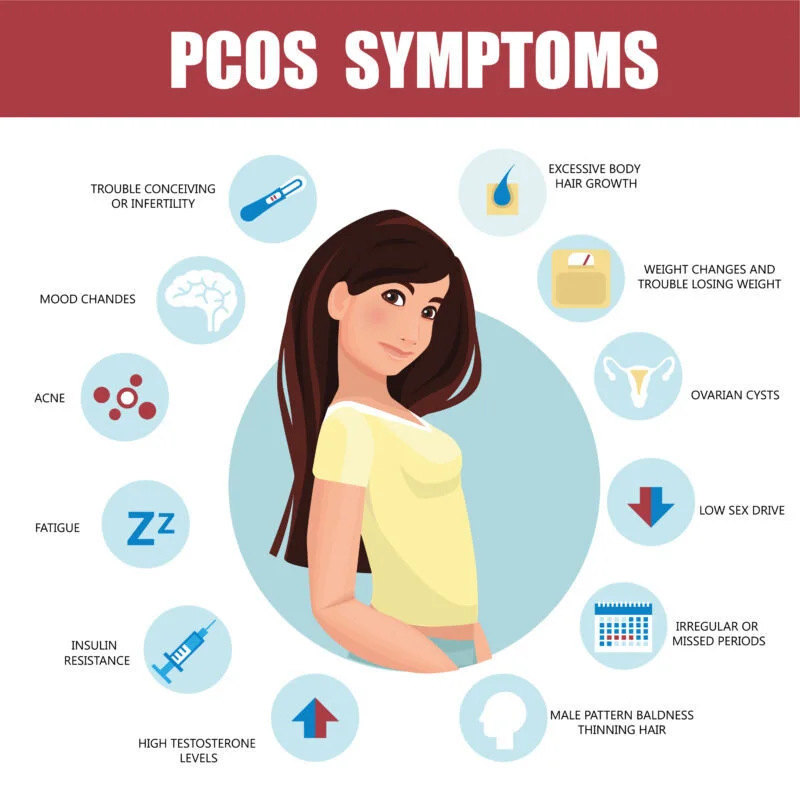

Polycystic Ovary Syndrome (PCOS) is one of the most common hormonal disorders affecting women of reproductive age. Despite its prevalence, many women remain undiagnosed for years due to vague symptoms and lack of awareness. If you’re wondering how to test for PCOS, understanding the professional diagnostic process can help you seek the right medical care at the right time.
This complete guide walks you through everything you need to know—from symptoms to clinical tests—so you can better understand how healthcare professionals diagnose PCOS accurately.
What is PCOS?
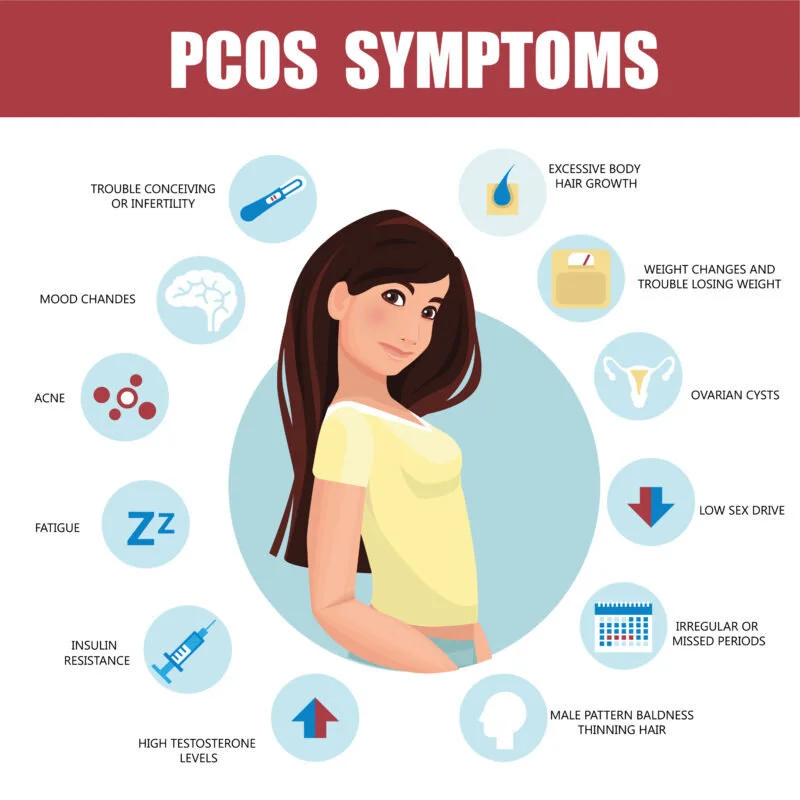
PCOS is a hormonal condition that affects how the ovaries function. Women with PCOS may experience irregular menstrual cycles, excessive androgen (male hormone) levels, and multiple small cysts on the ovaries.
It’s important to note that PCOS is not just a reproductive issue—it can also affect metabolism, skin health, and long-term risks like diabetes and heart disease.
Why Professional Testing is Important
Many people try to self-diagnose based on symptoms they read online. However, PCOS shares symptoms with other conditions like thyroid disorders or adrenal issues. That’s why learning how to test for PCOS professionally is crucial.
A proper diagnosis ensures:
- Correct treatment plan
- Prevention of long-term complications
- Better fertility management (if needed)
- Improved overall health
Common Symptoms That Lead to PCOS Testing
Before doctors begin testing, they usually evaluate symptoms. You may be advised to undergo testing if you experience:
- Irregular or missed periods
- Excess facial or body hair (hirsutism)
- Acne or oily skin
- Weight gain or difficulty losing weight
- Hair thinning or hair loss
- Dark patches on skin (acanthosis nigricans)
- Difficulty getting pregnant
If you notice multiple symptoms, it’s a good idea to consult a healthcare provider.
How to Test for PCOS Professionally
Understanding how to test for PCOS involves knowing that there is no single test. Instead, doctors use a combination of medical history, physical exams, and diagnostic tests.
Medical History Evaluation
Your doctor will begin by asking detailed questions about:
- Menstrual cycle regularity
- Weight changes
- Family history of PCOS or diabetes
- Skin and hair changes
- Fertility concerns
This step helps identify patterns that suggest hormonal imbalance.
Physical Examination
A physical exam may include:
- Measuring body mass index (BMI)
- Checking blood pressure
- Examining skin for acne or pigmentation
- Observing hair growth patterns
This provides visible clues about hormonal health.
Blood Tests for Hormone Levels
Blood tests are one of the most important steps in understanding how to test for PCOS.
Doctors typically check:
- Testosterone levels (often elevated in PCOS)
- Luteinizing hormone (LH)
- Follicle-stimulating hormone (FSH)
- Thyroid hormones
- Prolactin levels
- Blood sugar and insulin levels
These tests help rule out other conditions and confirm hormonal imbalance.
Pelvic Ultrasound
A pelvic ultrasound is commonly used to examine the ovaries.
What doctors look for:
- Enlarged ovaries
- Presence of multiple small follicles (often called “cysts”)
However, not all women with PCOS have visible cysts, and having cysts alone doesn’t confirm PCOS. This test is just one part of the diagnosis.
The Rotterdam Criteria
Most healthcare professionals use the Rotterdam Criteria to diagnose PCOS. According to this guideline, a woman must meet at least two of the following three conditions:
- Irregular ovulation or menstrual cycles
- Elevated androgen levels (clinical or via blood tests)
- Polycystic ovaries on ultrasound
This approach ensures a comprehensive and accurate diagnosis.
When Should You Get Tested?
You should consider professional testing if:
- Your periods are consistently irregular
- You have symptoms of excess male hormones
- You are trying to conceive without success
- You have unexplained weight gain
- You have a family history of PCOS
Early diagnosis can significantly improve long-term health outcomes.
Preparing for a PCOS Test
If you’re planning to get tested, here are some tips:
- Track your menstrual cycle for a few months
- Note any symptoms like acne, hair growth, or mood changes
- Fast before blood tests if required
- Schedule ultrasound at the recommended time in your cycle
Preparation helps doctors get more accurate results.
Conditions That Mimic PCOS
While learning how to test for PCOS, it’s important to know that some conditions have similar symptoms:
- Thyroid disorders
- Hyperprolactinemia
- Cushing’s syndrome
- Adrenal hyperplasia
Doctors rule out these conditions before confirming PCOS.
Importance of Early Diagnosis
Delaying diagnosis can lead to complications such as:
- Type 2 diabetes
- High cholesterol
- Heart disease
- Infertility
- Endometrial cancer
Early testing allows for lifestyle changes and medical treatment that reduce these risks.
Treatment After Diagnosis
Once diagnosed, treatment depends on your symptoms and goals.
Common approaches include:
- Lifestyle changes (diet and exercise)
- Hormonal birth control to regulate periods
- Medications to manage insulin resistance
- Fertility treatments if pregnancy is desired
A personalized plan works best for managing PCOS effectively.
Emotional Impact of PCOS Diagnosis
Receiving a diagnosis can feel overwhelming. Many women experience anxiety, frustration, or confusion.
It’s important to:
- Seek support from healthcare providers
- Join support groups
- Focus on long-term health management
PCOS is manageable, and many women lead healthy lives with proper care.
FAQs About How to Test for PCOS
What is the most accurate test for PCOS?
There is no single definitive test. Diagnosis is based on a combination of symptoms, blood tests, and ultrasound findings using the Rotterdam Criteria.
Can PCOS be diagnosed with a blood test alone?
No. Blood tests are important but must be combined with clinical symptoms and possibly imaging tests for a complete diagnosis.
At what age should you get tested for PCOS?
PCOS can be diagnosed in late teens or early adulthood. If symptoms appear after puberty, it’s worth getting evaluated.
Do all women with PCOS have cysts on their ovaries?
No. Some women with PCOS do not have visible cysts, and some women without PCOS may have ovarian cysts.
How long does PCOS testing take?
The process can take a few days to a few weeks, depending on lab tests and scheduling of ultrasound.
Is PCOS testing painful?
Most tests, like blood tests and ultrasounds, are minimally uncomfortable but not painful.
Can PCOS go undiagnosed?
Yes, many women live with PCOS for years without diagnosis due to mild or overlooked symptoms.
Final Thoughts
Understanding how to test for PCOS professionally is the first step toward taking control of your health. Since PCOS is a complex condition with varied symptoms, professional evaluation is essential for accurate diagnosis and effective treatment.
If you suspect you might have PCOS, don’t rely solely on online information—consult a healthcare professional. Early detection and the right care plan can make a significant difference in managing symptoms and improving quality of life.
read more