
Polycystic Ovarian Disease (PCOD) is one of the most common hormonal disorders affecting women of reproductive age. If you’ve ever searched online or spoken to a doctor, you’ve probably asked the question: is pcod curable? The answer isn’t a simple yes or no, but understanding it clearly can help you manage the condition effectively and live a healthy life.
In this expert guide, we’ll explore what PCOD really is, whether it can be cured professionally, and what treatment options are available today. The goal is to give you a realistic, medically accurate, and practical understanding of managing PCOD.
Understanding PCOD: What Exactly Is It?
PCOD is a condition where a woman’s ovaries produce immature or partially mature eggs, which eventually turn into cysts. This hormonal imbalance leads to irregular periods, weight gain, acne, and sometimes fertility issues.
It’s often confused with PCOS (Polycystic Ovary Syndrome), but PCOD is generally considered less severe. However, both conditions require proper medical attention and lifestyle management.
Is PCOD Curable? The Honest Medical Answer
Let’s address the key question directly: is PCOD curable?
From a strictly medical perspective, PCOD is not considered a “completely curable” condition in the traditional sense. It is a chronic hormonal disorder, meaning it can persist over time. However, the good news is that it is highly manageable.
With the right combination of medical treatment, lifestyle changes, and consistent monitoring, many women can reverse symptoms to the point where the condition has little to no impact on their daily life.
So while the root cause may not disappear entirely, the symptoms can be controlled effectively—sometimes so well that it feels like a cure.
Causes and Risk Factors of PCOD
Understanding the causes helps in managing the condition better. Some common factors include:
Hormonal imbalance
Insulin resistance
Genetic predisposition
Sedentary lifestyle
Unhealthy eating habits
Stress and poor sleep patterns
These factors often interact with each other, making PCOD a multifactorial condition.
Symptoms You Should Not Ignore
PCOD symptoms can vary from person to person, but common signs include:
Irregular or missed periods
Excessive hair growth on face and body
Acne and oily skin
Weight gain, especially around the abdomen
Hair thinning or hair fall
Difficulty in conceiving
If you notice these symptoms consistently, it’s important to consult a healthcare professional for proper diagnosis.
Professional Diagnosis of PCOD
A professional diagnosis typically involves:
Medical history review
Physical examination
Ultrasound imaging of ovaries
Blood tests to check hormone levels
Doctors may also check insulin levels and thyroid function to rule out other conditions.
Early diagnosis plays a crucial role in effective management.
Professional Treatment Options for PCOD
When people ask “is PCOD curable,” what they often mean is whether there are professional treatments that can eliminate symptoms. Let’s explore the most effective medical approaches.
1. Medications for Hormonal Balance
Doctors often prescribe medications to regulate menstrual cycles and reduce androgen (male hormone) levels. These may include:
Oral contraceptive pills
Anti-androgen medications
Progesterone therapy
These treatments help in restoring hormonal balance and reducing symptoms like acne and excessive hair growth.
2. Insulin-Sensitizing Drugs
Since insulin resistance is a major factor in PCOD, medications like metformin are commonly used. They help the body use insulin more effectively, which can improve ovulation and reduce weight gain.
3. Fertility Treatments
For women trying to conceive, doctors may recommend:
Ovulation-inducing medications
Assisted reproductive techniques like IVF
With proper treatment, many women with PCOD successfully conceive.
4. Dermatological Treatments
For skin-related symptoms such as acne and pigmentation, dermatologists may suggest:
Topical treatments
Chemical peels
Laser therapy
These treatments help improve confidence and overall well-being.
Lifestyle Changes: The Cornerstone of PCOD Management
Even the best medical treatments won’t be fully effective without lifestyle modifications. In fact, lifestyle changes are often the first line of treatment.
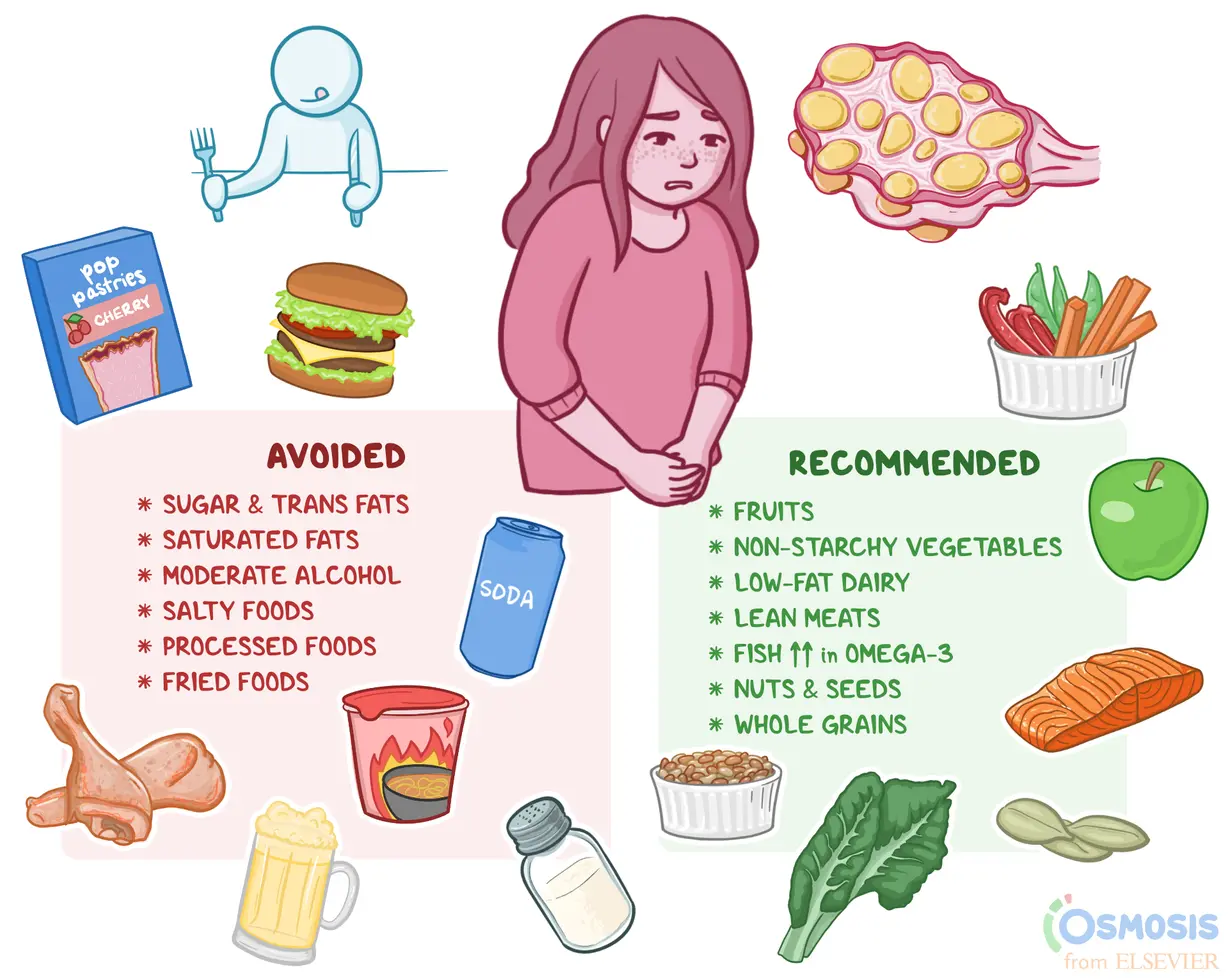
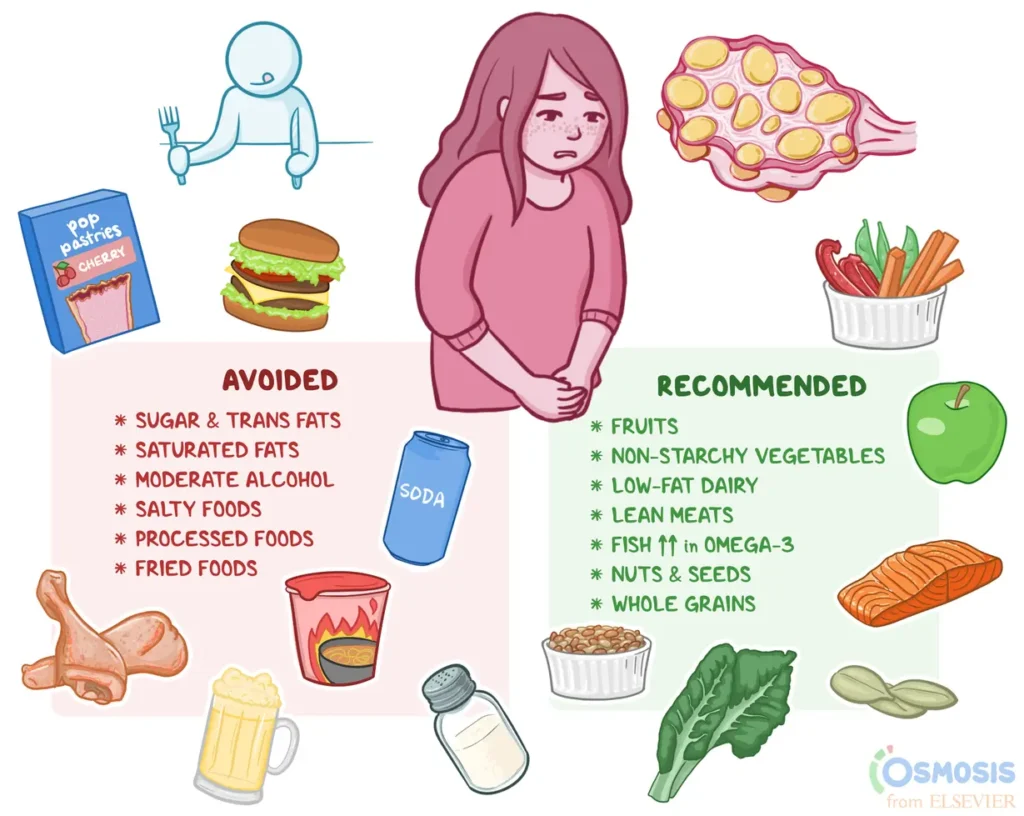
Healthy Diet
Focus on a balanced diet that includes:
Whole grains
Lean proteins
Healthy fats
Fruits and vegetables
Avoid processed foods, refined sugar, and excessive carbohydrates.
Regular Exercise
Exercise helps in managing weight and improving insulin sensitivity. Aim for:
At least 30 minutes of moderate activity daily
A mix of cardio and strength training
Stress Management
Stress can worsen hormonal imbalance. Practices like yoga, meditation, and deep breathing can help regulate hormones.
Quality Sleep
Poor sleep affects metabolism and hormone levels. Aim for 7–8 hours of uninterrupted sleep every night.
Can Lifestyle Alone Reverse PCOD?
In some mild cases, women have managed to control symptoms significantly through lifestyle changes alone. Weight loss of even 5–10% can make a noticeable difference in symptoms.
However, more severe cases usually require a combination of lifestyle and medical treatment.
Natural and Alternative Approaches
Many women explore natural remedies alongside medical treatment. While these should not replace professional care, they can complement it.
Common approaches include:
Herbal supplements like spearmint tea
Ayurvedic treatments
Acupuncture
It’s important to consult a healthcare provider before trying any alternative therapies.
Long-Term Outlook: Living with PCOD
PCOD is a long-term condition, but it doesn’t have to control your life. With consistent management:
Menstrual cycles can become regular
Weight can be controlled
Skin issues can improve
Fertility can be restored
The key is consistency and regular follow-ups with your doctor.
Emotional and Mental Health Impact
PCOD doesn’t just affect the body—it can also impact mental health. Many women experience:
Anxiety
Depression
Low self-esteem
Seeking support from a therapist or support group can be incredibly helpful. Remember, managing PCOD is not just about physical health but overall well-being.
When Should You See a Doctor?
You should consult a healthcare professional if:
Your periods are irregular for more than three months
You notice sudden weight gain
You experience excessive hair growth or acne
You are trying to conceive without success
Early intervention can prevent complications and improve outcomes.
Final Thoughts: Is PCOD Curable?
To sum it up, is PCOD curable? Not completely in the traditional sense, but it is absolutely manageable with professional care.
Think of it like a condition that requires ongoing attention rather than a one-time treatment. With the right approach, you can lead a healthy, balanced, and fulfilling life.
Consistency, awareness, and professional guidance are your strongest tools.
Frequently Asked Questions (FAQ)
Is PCOD curable permanently?
No, PCOD is not considered permanently curable, but its symptoms can be effectively managed and controlled with proper treatment and lifestyle changes.
Can PCOD go away naturally?
In mild cases, symptoms may reduce significantly with lifestyle changes like diet and exercise. However, medical guidance is still recommended.
How long does it take to control PCOD?
It varies from person to person. Some women notice improvements within a few months, while others may take longer depending on the severity and treatment approach.
Can I get pregnant with PCOD?
Yes, many women with PCOD can conceive with proper treatment and medical support.
Is weight loss necessary for PCOD management?
If you are overweight, losing even a small percentage of body weight can significantly improve symptoms and hormone balance.
Are home remedies enough to treat PCOD?
Home remedies can support treatment but should not replace professional medical care.
Does PCOD affect mental health?
Yes, it can contribute to anxiety, depression, and low self-esteem. Mental health support is an important part of treatment.
Should I take lifelong medication for PCOD?
Not always. Some women can manage symptoms with lifestyle changes alone after initial treatment, but this depends on individual cases.
If you’re still wondering is pcod curable, the best step is to consult a qualified healthcare professional who can guide you based on your specific condition.
read more