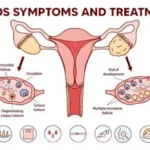

Polycystic Ovary Syndrome (PCOS) is one of the most common hormonal disorders affecting women of reproductive age. Yet, many women live with it for years without fully understanding what their symptoms mean. PCOS is not just about irregular periods—it’s a complex condition that can impact hormones, metabolism, fertility, and overall well-being.
Recognizing the early signs is the first step to manage pcos symptoms effectively and improve quality of life. This guide explains the most common symptoms in a clear, relatable way so you can better understand your body.
What is PCOS?
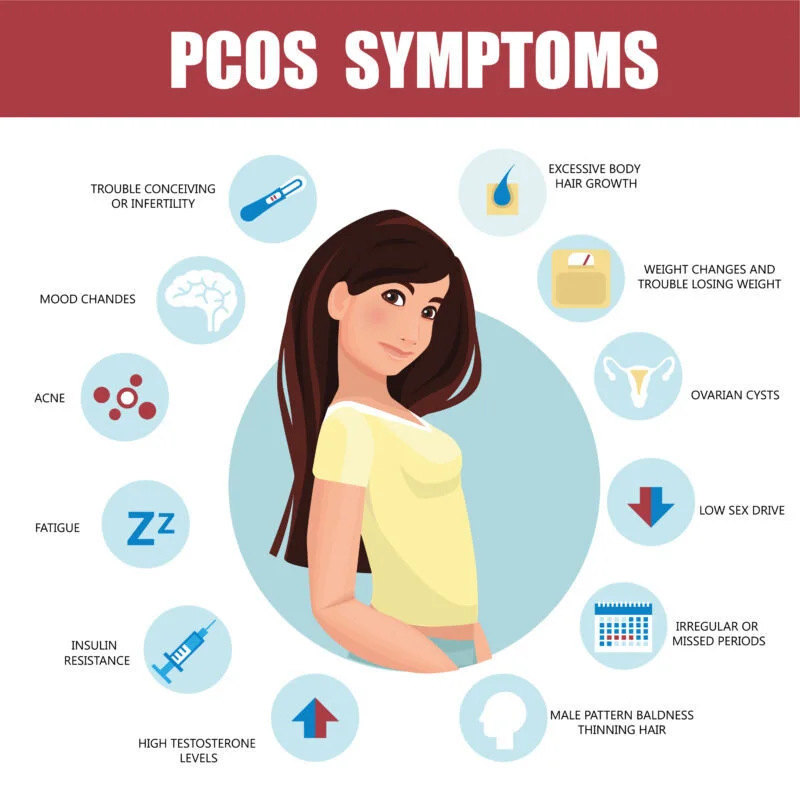
PCOS is a hormonal imbalance where the ovaries produce higher-than-normal levels of androgens (male hormones). This imbalance can interfere with ovulation, leading to irregular menstrual cycles and other physical changes.
While the exact cause isn’t fully known, factors like genetics, insulin resistance, and inflammation play a key role.
Why Understanding Symptoms Matters
Many women dismiss early signs like acne or irregular periods as “normal.” However, untreated PCOS can lead to long-term health issues such as infertility, type 2 diabetes, and heart problems. Early awareness allows you to manage PCOS symptoms before complications arise.
Irregular Menstrual Cycles
One of the most noticeable signs of PCOS is irregular periods. This can show up in different ways:
- Periods that come late or skip for months
- Very light or very heavy bleeding
- Fewer than 8 periods in a year
This happens because ovulation doesn’t occur regularly. Without ovulation, the menstrual cycle becomes unpredictable.
Excess Hair Growth (Hirsutism)
Women with PCOS often experience unwanted hair growth in areas where men typically grow hair. This includes:
- Chin and upper lip
- Chest
- Back or abdomen
This symptom is caused by elevated androgen levels. It can be distressing, but it’s also one of the most common and treatable signs when you manage PCOS symptoms properly.
Acne and Oily Skin
Persistent acne isn’t just a teenage issue. Hormonal imbalance in PCOS can cause:
- Deep, painful acne on the jawline or cheeks
- Oily skin
- Breakouts that don’t respond to regular treatments
These breakouts are driven by excess androgens increasing oil production in the skin.
Thinning Hair or Hair Loss
While some women notice excess hair growth, others experience hair thinning on the scalp. This condition, often called female pattern hair loss, can look like:
- Hair thinning at the crown
- Widening part line
- Excessive hair shedding
This can be emotionally challenging, but early intervention helps manage PCOS symptoms effectively.
Weight Gain and Difficulty Losing Weight
Many women with PCOS struggle with weight, especially around the abdomen. Even with diet and exercise, losing weight can feel frustrating.
This is often linked to insulin resistance, where the body doesn’t use insulin properly. As a result:
- Fat storage increases
- Cravings for sugary foods rise
- Energy levels fluctuate
Managing weight is key to improving other PCOS symptoms.
Dark Patches on Skin (Acanthosis Nigricans)
A lesser-known symptom of PCOS is dark, velvety skin patches. These usually appear on:
- Neck
- Underarms
- Groin
This is another sign of insulin resistance and shouldn’t be ignored.
Fertility Issues
PCOS is one of the leading causes of infertility. Because ovulation is irregular or absent, it becomes difficult to conceive.
However, this doesn’t mean pregnancy is impossible. With the right approach and medical guidance, many women with PCOS successfully become mothers.
Mood Changes and Mental Health Challenges
PCOS doesn’t just affect the body—it also impacts emotional health. Women may experience:
- Anxiety
- Depression
- Mood swings
- Low self-esteem
Hormonal imbalance, along with physical symptoms like acne or weight gain, can take a toll on mental well-being.
Fatigue and Low Energy
Constant tiredness is another symptom many women overlook. Even after a full night’s sleep, you might feel:
- Drained
- Unmotivated
- Mentally foggy
This can be due to insulin resistance, poor sleep, or hormonal fluctuations.
Sleep Problems
Women with PCOS are more likely to experience sleep disorders such as:
- Insomnia
- Sleep apnea
- Interrupted sleep
Poor sleep can worsen other symptoms, creating a cycle that’s hard to break.
Cravings and Blood Sugar Imbalance
Strong cravings for sugar or carbs are common in PCOS. This is linked to unstable blood sugar levels, which can lead to:
- Sudden hunger
- Energy crashes
- Increased risk of diabetes
Balancing blood sugar is essential to manage PCOS symptoms effectively.
What Causes These Symptoms?
PCOS symptoms are mainly driven by three factors:
Hormonal imbalance
High levels of androgens disrupt normal body functions.
Insulin resistance
The body struggles to use insulin properly, leading to weight gain and increased androgen production.
Inflammation
Chronic low-grade inflammation can worsen symptoms and hormonal imbalance.
When Should You See a Doctor?
You should consider medical advice if you notice:
- Missed or irregular periods
- Excess facial or body hair
- Sudden weight gain
- Persistent acne
- Difficulty getting pregnant
Early diagnosis makes it easier to manage PCOS symptoms and prevent complications.
How to Manage PCOS Symptoms Naturally
While there’s no permanent cure, lifestyle changes can significantly improve symptoms.
Healthy Diet
Focus on whole foods, fiber, lean proteins, and healthy fats. Avoid processed sugar and refined carbs.
Regular Exercise
Physical activity improves insulin sensitivity and helps with weight management.
Stress Management
Practices like yoga, meditation, and deep breathing can reduce cortisol levels.
Proper Sleep
Aim for 7–8 hours of quality sleep each night.
Medical Support
Doctors may recommend medications or hormonal treatments based on individual needs.
Consistency is key. Small, daily changes can make a big difference over time.
Living with PCOS
PCOS is a lifelong condition, but it doesn’t define you. Many women lead healthy, fulfilling lives by understanding their bodies and taking proactive steps.
The goal is not perfection—it’s balance. Learning how to manage PCOS symptoms empowers you to take control of your health.
Frequently Asked Questions (FAQ)
What are the first signs of PCOS?
The earliest signs often include irregular periods, acne, and unexplained weight gain. Some women also notice increased facial hair.
Can PCOS go away on its own?
PCOS doesn’t completely go away, but symptoms can be controlled effectively with lifestyle changes and medical care.
Is PCOS only related to fertility?
No, PCOS affects many aspects of health, including metabolism, skin, hair, and mental well-being—not just fertility.
Can thin women have PCOS?
Yes, PCOS affects women of all body types. Even women with a normal weight can experience hormonal imbalance and other symptoms.
How can I manage PCOS symptoms naturally?
A balanced diet, regular exercise, stress management, and proper sleep are the most effective natural ways to manage PCOS symptoms.
Does PCOS increase the risk of other diseases?
Yes, if untreated, PCOS can increase the risk of type 2 diabetes, heart disease, and high blood pressure.
Is pregnancy possible with PCOS?
Yes, many women with PCOS conceive successfully with proper treatment and lifestyle adjustments.
Final Thoughts
Understanding pcos symptoms is the first step toward better health. If something feels off in your body, don’t ignore it. Awareness, early action, and consistent care can help you manage PCOS symptoms and live a balanced, healthy life.
read more