
Polycystic Ovary Syndrome (PCOS) is one of the most common hormonal disorders affecting women today. It can lead to irregular periods, weight gain, acne, hair thinning, and even fertility challenges. While medical treatment plays an important role, diet is one of the most powerful tools to naturally support hormone balance. Choosing the right foods can help regulate insulin levels, reduce inflammation, and improve overall health.
In this guide, you’ll discover the best food for pcos, along with a practical diet plan that you can follow daily. If you are looking to manage food for pcos effectively, this article will give you a clear and realistic approach.
Understanding the Link Between PCOS and Diet
PCOS is closely linked to insulin resistance. This means your body has difficulty using insulin properly, leading to higher blood sugar levels. When insulin levels rise, it can trigger excess production of androgens (male hormones), which worsens PCOS symptoms.
That’s why your diet should focus on:
- Stabilizing blood sugar
- Reducing inflammation
- Supporting hormone production
- Maintaining a healthy weight
A balanced diet doesn’t mean strict dieting—it means eating smart and consistently.
Best Food for PCOS
1. High-Fiber Foods
Fiber slows down digestion and helps control blood sugar levels. It also keeps you full for longer, reducing unnecessary snacking.
Good sources include:
- Leafy greens like spinach and kale
- Broccoli and cauliflower
- Lentils and beans
- Oats and whole grains
Adding fiber to your meals is one of the simplest ways to manage food for PCOS naturally.
2. Lean Protein
Protein helps stabilize blood sugar and reduces cravings. It also supports muscle building and metabolism.
Healthy protein options:
- Eggs
- Chicken breast
- Fish like salmon and tuna
- Paneer and tofu
- Greek yogurt
Try to include protein in every meal for better hormone balance.
3. Healthy Fats
Healthy fats reduce inflammation and support hormone production.
Best choices:
- Avocados
- Nuts like almonds and walnuts
- Seeds such as chia and flaxseed
- Olive oil
Avoid trans fats and processed oils, as they can worsen inflammation.
4. Low Glycemic Index (GI) Foods
Low GI foods release sugar slowly into the bloodstream, preventing insulin spikes.
Examples include:
- Brown rice
- Quinoa
- Sweet potatoes
- Whole wheat products
These foods are essential if you want to manage food for PCOS effectively.
5. Anti-Inflammatory Foods
Inflammation can worsen PCOS symptoms. Including anti-inflammatory foods can help reduce this.
Add these to your diet:
- Berries
- Turmeric
- Green tea
- Tomatoes
These foods also improve overall immunity and skin health.
Foods to Avoid with PCOS
Just as important as what you eat is what you avoid.
Limit or avoid:
- Refined sugar (cakes, pastries, sugary drinks)
- White bread and refined carbs
- Fried and processed foods
- Excess dairy (for some individuals)
- Sugary cereals
These foods can spike insulin and worsen hormonal imbalance.
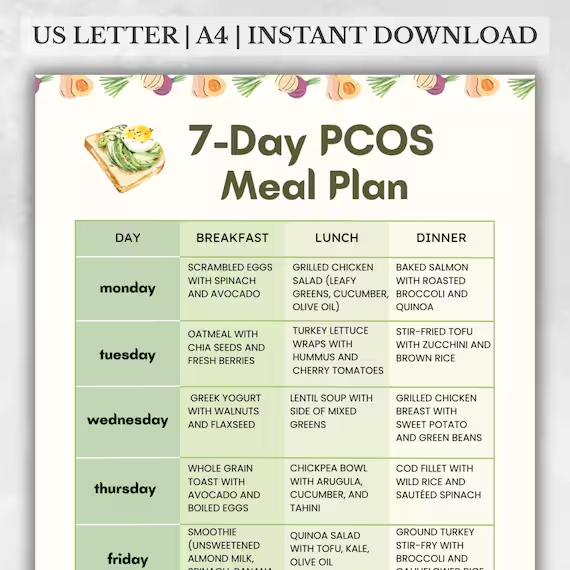
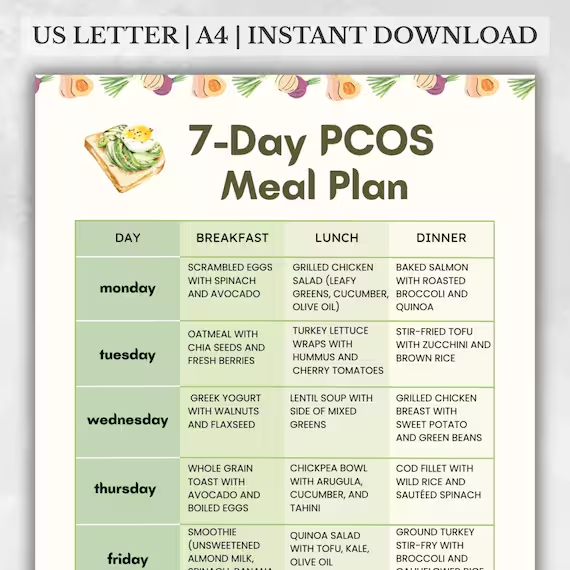
Sample PCOS Diet Plan
Here’s a simple and practical daily plan you can follow:
Morning (Empty Stomach)
- Warm water with lemon or soaked fenugreek seeds
Breakfast
- Vegetable oats or whole-grain toast with eggs
- Green tea or herbal tea
Mid-Morning Snack
- A handful of nuts or a fruit like apple or guava
Lunch
- Brown rice or roti
- Dal or grilled chicken
- Mixed vegetable salad
Evening Snack
- Roasted chana or sprouts
- Green tea
Dinner
- Light meal with vegetables and protein
- Soup with paneer or tofu
Before Bed
- Warm turmeric milk (optional)
This plan helps stabilize blood sugar and is ideal to manage food for PCOS without feeling restricted.
Tips to Maintain a PCOS-Friendly Diet
Consistency matters more than perfection. Here are some tips to stay on track:
Eat small, frequent meals
Avoid long gaps between meals to prevent sugar crashes
Stay hydrated
Drink plenty of water to support metabolism and detoxification
Balance your plate
Include protein, fiber, and healthy fats in every meal
Plan ahead
Prepare meals in advance to avoid unhealthy choices
Listen to your body
Different bodies respond differently, so adjust accordingly
Role of Lifestyle Along with Diet
Diet alone is not enough. A healthy lifestyle enhances the benefits of a good diet.
Exercise Regularly
Engage in at least 30 minutes of physical activity daily. Walking, yoga, and strength training are especially helpful.
Manage Stress
Stress increases cortisol levels, which can worsen PCOS. Try meditation, breathing exercises, or hobbies.
Get Enough Sleep
Aim for 7–8 hours of quality sleep every night.
Combining these habits with the right food choices will significantly improve your condition.
Common Mistakes to Avoid
Skipping meals
This can lead to blood sugar imbalance and cravings
Following extreme diets
Very low-calorie diets can harm your metabolism
Overconsumption of “healthy” foods
Even healthy foods should be eaten in moderation
Ignoring protein intake
A lack of protein can lead to hunger and overeating
Avoiding these mistakes can make your journey smoother.
Long-Term Benefits of a PCOS Diet
When you consistently follow a balanced diet, you may notice:
- Improved menstrual cycle
- Better weight management
- Reduced acne and hair fall
- Increased energy levels
- Better mood and mental clarity
The goal is not a temporary fix but a sustainable lifestyle.
Conclusion
Managing PCOS doesn’t have to feel overwhelming. With the right approach, you can take control of your health naturally. Choosing the best food for pcos and following a structured diet plan can help regulate hormones, improve symptoms, and enhance your quality of life.
Remember, small changes make a big difference. Focus on consistency rather than perfection. When you learn to manage food for PCOS effectively, you’re not just treating a condition—you’re building a healthier future.
FAQ
What is the best diet for PCOS?
A balanced diet rich in fiber, lean protein, healthy fats, and low GI foods is considered the best for PCOS.
Can diet alone cure PCOS?
Diet cannot completely cure PCOS, but it can significantly manage symptoms and improve hormonal balance.
Is rice good for PCOS?
Yes, but choose brown rice or other whole grains instead of white rice for better blood sugar control.
How many meals should I eat daily with PCOS?
Eating 4–5 small balanced meals helps maintain stable blood sugar levels.
Are fruits allowed in PCOS?
Yes, fruits are healthy, but choose low GI options like berries, apples, and pears.
Can I lose weight with a PCOS diet?
Yes, a proper diet combined with exercise can support healthy and sustainable weight loss.
What is the most important rule to manage food for PCOS?
Focus on balanced meals, avoid processed foods, and maintain consistency in your eating habits.
read more