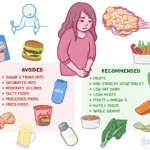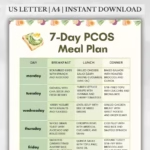

Polycystic Ovarian Disease (PCOD) is a common hormonal condition that affects millions of women worldwide. It is often associated with irregular periods, weight gain, acne, and difficulty in managing insulin levels. While medication may be necessary in some cases, one of the most powerful and natural ways to control symptoms is through the right diet. If you’re looking to manage diet for pcod, understanding what to eat and what to avoid can make a significant difference in your hormonal balance and overall well-being.
This guide provides a practical, expert-backed approach to help you build a sustainable diet plan that supports your body.
Understanding the Role of Diet in PCOD
PCOD is closely linked with insulin resistance, where the body struggles to use insulin effectively. This leads to higher insulin levels, which can trigger excess androgen (male hormone) production. The result? Symptoms like weight gain, irregular cycles, and skin issues.
A well-structured diet helps by:
- Stabilizing blood sugar levels
- Improving insulin sensitivity
- Reducing inflammation
- Supporting hormonal balance
Choosing the right foods is not about strict dieting but about making smarter, consistent choices.
Key Principles to Manage Diet for PCOD
To effectively manage diet for PCOD, focus on these core principles:
1. Prioritize Low Glycemic Index (GI) Foods
Low GI foods release sugar slowly into the bloodstream, preventing sudden spikes in insulin.
Examples include:
- Whole grains like oats, quinoa, and brown rice
- Lentils and legumes
- Non-starchy vegetables
2. Include High-Quality Protein
Protein helps control hunger, supports metabolism, and balances blood sugar levels.
Good sources:
- Eggs
- Paneer or tofu
- Lean chicken or fish
- Greek yogurt
3. Add Healthy Fats
Healthy fats reduce inflammation and support hormone production.
Include:
- Nuts and seeds (almonds, flaxseeds, chia seeds)
- Avocados
- Olive oil
4. Focus on Fiber-Rich Foods
Fiber helps regulate digestion and prevents insulin spikes.
Eat more:
- Leafy greens
- Fruits like berries and apples
- Whole grains
5. Stay Hydrated
Water plays a crucial role in detoxification and metabolism. Aim for at least 2–3 liters per day.
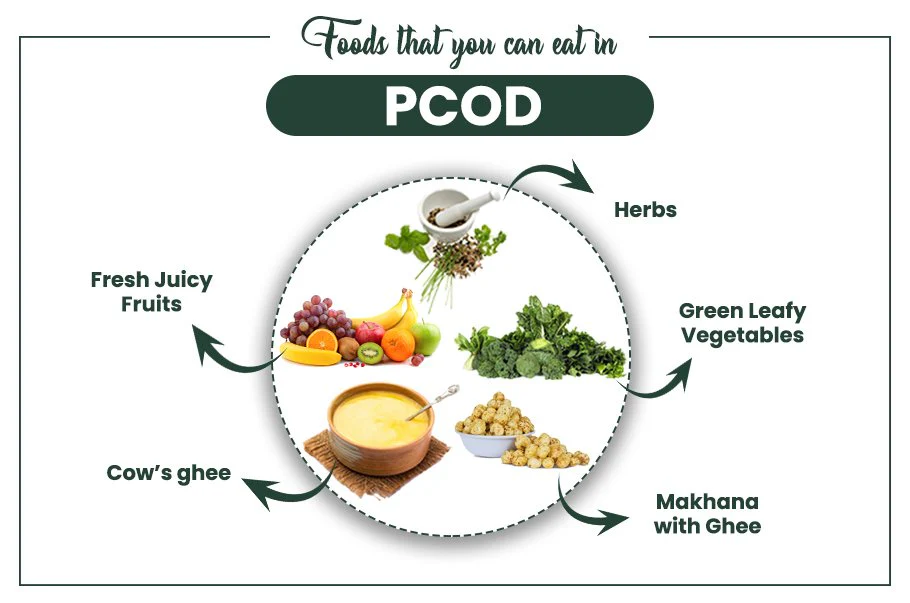
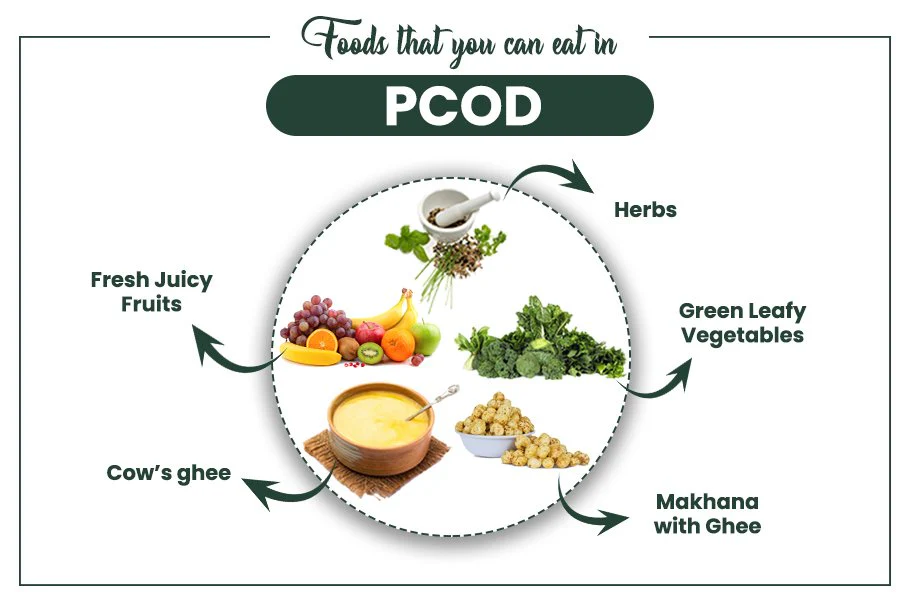
Foods to Include in a PCOD Diet Plan
Building your meals around nutrient-dense foods can make managing PCOD easier and more effective.
Whole Grains
Switch from refined carbs to whole grains to maintain steady energy levels.
Examples:
- Brown rice
- Whole wheat
- Millet (bajra, jowar)
Fresh Vegetables
Vegetables are rich in vitamins, minerals, and antioxidants.
Best choices:
- Spinach
- Broccoli
- Carrots
- Bell peppers
Fruits in Moderation
Fruits are healthy but should be consumed in controlled portions due to natural sugars.
Recommended:
- Berries
- Apples
- Pears
Lean Protein Sources
Protein is essential for muscle health and hormonal stability.
Options:
- Lentils
- Chickpeas
- Eggs
- Fish
Dairy Alternatives or Low-Fat Dairy
Some women with PCOD may benefit from reducing dairy intake.
Alternatives:
- Almond milk
- Soy milk
Foods to Avoid for PCOD
To effectively manage diet for PCOD, it’s equally important to eliminate or limit certain foods:
Refined Carbohydrates
These spike blood sugar quickly.
Avoid:
- White bread
- Pasta made from refined flour
- Sugary cereals
Sugary Foods and Beverages
High sugar intake worsens insulin resistance.
Limit:
- Soft drinks
- Packaged juices
- Desserts
Processed Foods
These often contain unhealthy fats and preservatives.
Examples:
- Chips
- Fast food
- Frozen meals
Excess Caffeine
Too much caffeine may interfere with hormone levels.
Limit:
- Coffee
- Energy drinks
Sample Daily Diet Plan for PCOD
Here’s a simple daily meal plan to help you get started:
Morning (Empty Stomach)
- Warm water with lemon
- Soaked almonds (4–5)
Breakfast
- Vegetable oats or poha
- Boiled eggs or a glass of milk
Mid-Morning Snack
- A fruit like apple or guava
Lunch
- 1–2 chapatis (whole wheat)
- Mixed vegetable curry
- Dal or grilled chicken
- Salad
Evening Snack
- Green tea
- Roasted chana or nuts
Dinner
- Light meal like vegetable soup or stir-fried veggies with paneer
Before Bed
- Turmeric milk or herbal tea
Importance of Meal Timing
Meal timing plays a crucial role in managing PCOD. Eating at regular intervals helps maintain stable blood sugar levels.
Tips:
- Avoid skipping meals
- Eat every 3–4 hours
- Keep dinner light and early
Lifestyle Tips Along with Diet
Diet alone is not enough; combining it with healthy habits enhances results.
Exercise Regularly
Engage in at least 30 minutes of physical activity daily. Options include:
- Walking
- Yoga
- Strength training
Manage Stress
Stress increases cortisol levels, which can worsen PCOD symptoms.
Try:
- Meditation
- Deep breathing
- Journaling
Get Quality Sleep
Aim for 7–8 hours of sleep to support hormonal health.
Common Mistakes to Avoid
When trying to manage diet for PCOD, many people unknowingly make mistakes:
- Following extreme crash diets
- Completely eliminating carbs
- Ignoring portion control
- Skipping meals
- Over-relying on packaged “health” foods
Balance and consistency are key.
Benefits of Following a PCOD-Friendly Diet
Adopting the right diet can lead to:
- Regular menstrual cycles
- Improved weight management
- Better skin health
- Increased energy levels
- Reduced risk of long-term complications
Frequently Asked Questions (FAQ)
What is the best diet to manage PCOD?
The best diet includes low GI foods, high protein, healthy fats, and fiber-rich options. It focuses on stabilizing blood sugar and reducing inflammation.
Can diet alone cure PCOD?
Diet cannot completely cure PCOD, but it can significantly control symptoms and improve quality of life when combined with a healthy lifestyle.
Is it necessary to avoid carbs in PCOD?
No, carbs are essential. The key is to choose complex carbs like whole grains instead of refined ones.
How important is weight loss in PCOD?
Even a small amount of weight loss (5–10%) can improve symptoms and hormonal balance in women with PCOD.
Can I eat dairy if I have PCOD?
Some women may benefit from reducing dairy, but it depends on individual tolerance. Low-fat or plant-based alternatives can be a good option.
How long does it take to see results from a PCOD diet?
Results vary, but many women notice improvements in energy levels and symptoms within a few weeks of consistent dietary changes.
Final Thoughts
Managing PCOD doesn’t have to feel overwhelming. By making mindful food choices and maintaining a balanced lifestyle, you can take control of your health naturally. The goal is not perfection but consistency. When you manage diet for pcod effectively, you create a strong foundation for long-term hormonal balance and overall wellness.
Start small, stay committed, and remember that every healthy choice you make brings you one step closer to a better, more balanced life.
read more