

Unexpected magic and feel-good familiarity: Four ways to extend the benefits of a holiday

Unexpected magic and feel-good familiarity: Four ways to extend the benefits of a holiday

 Edouard Taufenbach & Bastien Pourtout
Shorter trips, awe, nostalgia and “satisficing” – these tricks will leave you feeling extra rested after a holiday.
With the arrival of August, many of us in the Northern Hemisphere are in the full swing of the summer holidays. These weeks may be our only chance this year to escape the daily grind, so what can we do to make the most of the experience?
As you might hope, psychology has some answers. From the activities that bring the greatest restoration to the benefits of “satisficing” your choices, read on to discover the four secrets of a successful break.
Create psychological distance
Let’s first consider the length of our trips. It is natural to assume that the longer we stay away from the frustrations of everyday life, the greater the stress relief, but very short trips may be just as good at recharging our batteries as an odyssey. Analysing the results of 13 studies, Franziska Speth at Dresden University of Technology in Germany and colleagues concluded that the duration of our vacations makes very little difference to these restorative effects.
This comes with a proviso: whether you are embarking on a mini-break or epic voyage, you must ensure that you truly escape from your daily frustrations. The greater the detachment that people feel from their work, the greater their wellbeing during the trip and the after. “It’s why checking your emails can undo some of the benefits,” says Ethan Kross, a psychologist at the University of Michigan in the US and author of the book Shift: How To Manage Your Emotions So They Don’t Manage You.
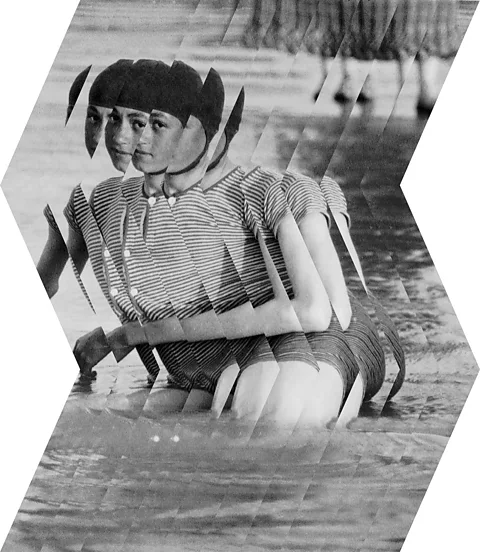 Edouard Taufenbach & Bastien Pourtout
You may think that emptying your inbox will set you up for a softer landing once you arrive back in the office, but the research suggests you’d do much better to block your notifications. As you set your out-of-office, rest easy with the knowledge that you’ll be in a much better place, mentally, to resolve any issues once you return.
Identify your ‘place attachment’
Do you find that you naturally feel safe in certain spaces?
It is now well-accepted that our “attachment” to people can shape how we act around them – whether we are trusting and open or raise our defences. Less well known, however, is the fact that particular locations can be imbued with powerful associations that instantly shift your mood. This is down to a phenomenon called “place attachment“. As Kross explains in his book, it’s not about space having a particular quality per se – it’s about how it resonates with you emotionally.
The upshot is that we shouldn’t be embarrassed about returning to our favourite spots if they evoke peace and security. Instead, try to savour the memories that they evoke. Nostalgia is known to be good for our wellbeing.
Even if you are travelling to pastures new, you might try to identify the kinds of spaces that have brought solace in the past. I always hunt down a city’s botanic gardens, for instance, because I know that they always leave me feeling recharged.
Look outside yourself
Holidays offer the perfect opportunity to gain new perspectives on your problems, and you can maximise the chances of reaching an epiphany by looking for awe-inspiring experiences.
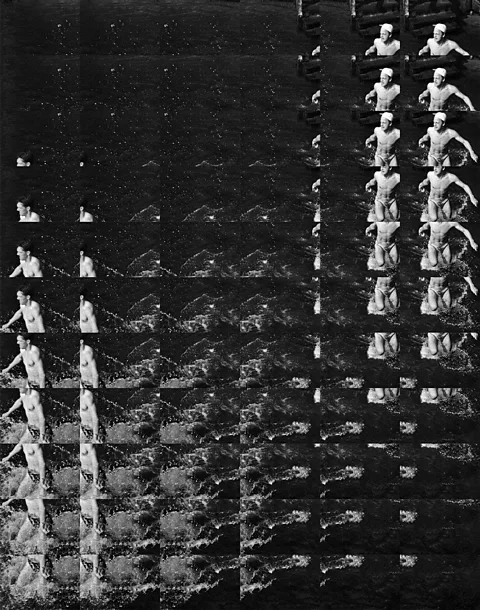 Edouard Taufenbach & Bastien Pourtout
Awe, Kross explains, widens the focus of our attention and breaks us out of ruminative thinking, so that we are no longer overwhelmed by worries.
One of the best examples of this comes from a study of participants whitewater rafting down Utah’s Green River. Despite the physical demands of the trip, many people, including veterans at risk of PTSD, felt considerably less stressed at the end. And questionnaires revealed that the best predictor of those changes was the awe evoked by the majestic scenery.
But don’t worry if you’re not a nature lover. “Cities can elicit that self-transcendent state,” Kross says. Like the famous poet William Wordsworth, you might be moved by the view from Westminster Bridge in London. Or perhaps you are starstruck by Van Gogh’s artwork. Whatever your tastes, you should aim to find something of extraordinary grandeur that leaves you feeling humbled in comparison.
Be spontaneous (and prepared to settle for second best)
Finally, you should resist the urge to overthink every action. Psychologists tend to divide people into two groups: maximisers, who are constantly looking to make the optimum choice in everything they do; and satisficers, who tend to stop their search as soon as they find something that is “good enough”.
When people try to make the best choice, they end up paradoxically, less happy and less satisfied with their choice – Ondrej Mitas
Let’s say you are looking for a good day out. You could spend hours comparing different attractions, according to their location, price, refreshment options and the customer reviews. Or you could search for a few adventures nearby and opt for the first one that ticks most of your boxes.
Psychologists measure these tendencies by asking people to rate statements such as “Whenever I’m faced with a choice, I try to imagine what all the other possibilities are, even when those aren’t present at the moment.” A high score on this statement would reflect a maximising tendency. “They will search until they’ve exhausted absolutely every option,” says Ondrej Mitas at Breda University of Applied Sciences, the Netherlands.
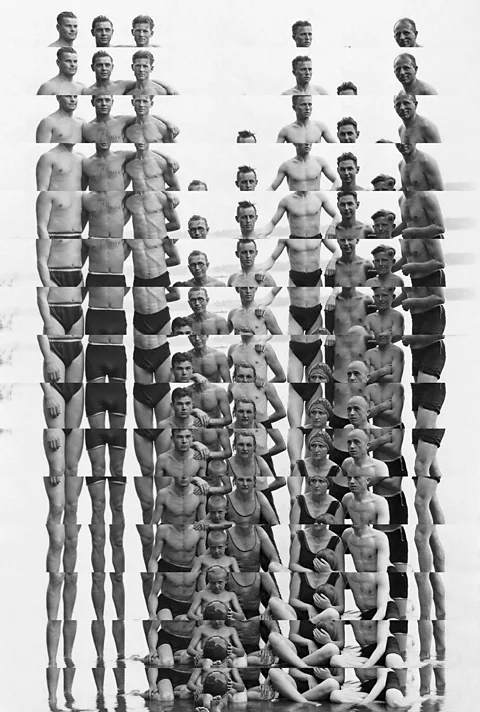 Edouard Taufenbach & Bastien Pourtout
Across multiple studies, satisficers tend to be more content than maximisers. “When people try to make the best choice, they end up paradoxically, less happy and less satisfied,” says Mitas.
More like this:
This may be especially true for holidaymakers. Using 376 questionnaires and 12 in-depth interviews with working Germans, Mitas and his colleagues Olivia Niemeyer and Jaime Kurtz found that maximisers tended to plan more but were considerably less satisfied with their holidays, thanks to the intransigence of their plans and the lingering fears that they’d made the wrong choices.
One tourist in Taiwan described their sorrow at being unable to follow other travellers’ suggestions because their schedule was already set in stone. “I miss out on many things,” the participant told Mitas and his colleagues. “That’s not even a vacation, that’s just sticking to a plan.”
Mitas points out that a follow-up study (currently unpublished) of Dutch travellers failed to find the same effect, so there may be cultural differences. As a general rule of thumb, though,
You will find your trips to be far more relaxing and rewarding if you stop trying to optimise every moment and accept that sometimes, the magic will come from the unexpected.
* David Robson is an award-winning science writer and author. His latest book, The Laws of Connection: 13 Social Strategies That Will Transform Your Life, was published by Canongate (UK) and Pegasus Books (USA & Canada) in June 2024. He is @davidarobson on Instagram and Threads and writes the 60-Second Psychology newsletter on Substack.
—
For trusted insights on health and wellbeing, sign up to the Health Fix newsletter by senior health correspondent Melissa Hogenboom who also writes the Live Well For Longer and Six Steps to Calm courses.
Original source: https://www.bbc.com/