
Starting a business is exciting, but without a clear roadmap, many new businesses struggle to survive. A business plan helps you organize your ideas, understand your market, manage finances, and create a strategy for growth. If you are wondering how to write a business plan for beginners, this guide will help you understand every step in a simple and practical way.
Whether you want to start a small online store, a restaurant, a service company, or a startup, a business plan gives direction to your business journey.
What Is a Business Plan?
A business plan is a written document that explains your business idea, goals, target market, products or services, marketing strategy, and financial planning. It acts as a blueprint for your business.
A good business plan helps you:
- Understand your business clearly
- Identify strengths and weaknesses
- Set realistic goals
- Attract investors or lenders
- Make better business decisions
- Track growth and progress
For beginners, a business plan does not need to be complicated. It simply needs to be clear, organized, and realistic.
Why Beginners Need a Business Plan
Many first-time entrepreneurs skip planning because they want to start quickly. However, businesses without planning often face problems like poor budgeting, weak marketing, or unclear goals.
Learning how to write a business plan for beginners can help you avoid common mistakes and improve your chances of success.
Here are some major benefits:
Helps You Stay Focused
A business plan keeps your business goals clear. It prevents distractions and helps you focus on what matters most.
Improves Financial Planning
Planning expenses, profits, and investments helps you manage money wisely.
Builds Confidence
When you understand your business model clearly, you feel more confident in making decisions.
Helps You Get Funding
Banks and investors usually ask for a business plan before giving financial support.
Key Elements of a Business Plan
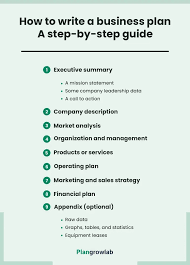
A beginner-friendly business plan usually includes the following sections:
- Executive Summary
- Business Description
- Market Research
- Products or Services
- Marketing Strategy
- Operations Plan
- Management Team
- Financial Plan
- Business Goals
Let’s understand each section in detail.
Executive Summary
The executive summary is the first section of your business plan, but many people write it last. It gives a quick overview of your entire business.
This section should include:
- Business name
- Business idea
- Products or services
- Target customers
- Business goals
- Short financial overview
Example
“ABC Digital Solutions is a startup offering affordable social media marketing services for small businesses. Our goal is to help local businesses grow online through creative and affordable digital strategies.”
Keep the executive summary short, simple, and engaging.
Business Description
This section explains what your business does and why it exists.
Include details such as:
- Type of business
- Industry
- Business structure
- Mission statement
- Vision statement
- Business objectives
Example
“If you are opening a bakery, explain what products you sell, who your customers are, and what makes your bakery different from competitors.”
Your business description should clearly explain your purpose and long-term vision.
Market Research
Market research is one of the most important parts of learning how to write a business plan for beginners.
This section helps you understand:
- Your target audience
- Customer needs
- Competitors
- Industry trends
Identify Your Target Market
Ask yourself:
- Who are your customers?
- What age group do they belong to?
- What problems do they face?
- How can your business help them?
Analyze Competitors
Research businesses offering similar products or services.
Look at:
- Pricing
- Marketing style
- Customer reviews
- Strengths and weaknesses
Understand Market Trends
Study current industry trends to identify opportunities and challenges.
Good market research shows that you understand your industry and customers.
Products or Services
In this section, explain what you are selling.
Describe:
- Products or services
- Pricing
- Benefits
- Features
- Unique selling points
Example
If you are starting an online clothing business, mention:
- Types of clothes
- Fashion style
- Pricing range
- Quality of materials
- Delivery options
Focus on how your products or services solve customer problems.
Marketing Strategy
A business cannot grow without marketing. This section explains how you will attract customers.
Common Marketing Methods
Social Media Marketing
Use platforms like Instagram, Facebook, LinkedIn, or TikTok to reach customers.
Search Engine Optimization (SEO)
SEO helps your website appear in Google search results.
Paid Advertising
You can use Google Ads or social media ads to promote your business.
Email Marketing
Send newsletters, offers, and updates to customers.
Word-of-Mouth Marketing
Satisfied customers can help spread positive reviews about your business.
Example Marketing Plan
“We will use Instagram marketing, influencer partnerships, and SEO blogging to attract young fashion buyers.”
Your strategy should match your business type and audience.
Operations Plan
The operations plan explains how your business will function daily.
Include details like:
- Business location
- Equipment needed
- Suppliers
- Inventory management
- Workflow process
- Customer service
Example
For a restaurant:
- Food suppliers
- Kitchen equipment
- Staff responsibilities
- Delivery system
This section helps you stay organized and prepared.
Management Team
Investors and lenders often want to know who is managing the business.
If you are a solo entrepreneur, mention your skills and experience.
Include:
- Business owner details
- Team members
- Roles and responsibilities
- Relevant experience
Example
“John Smith has five years of experience in graphic design and digital marketing.”
Even small businesses should explain who handles operations, marketing, and finances.
Financial Plan
The financial section is essential when learning how to write a business plan for beginners.
You do not need advanced accounting knowledge, but basic financial planning is important.
Include the Following
Startup Costs
List all expenses needed to launch your business.
Examples:
- Rent
- Equipment
- Website
- Marketing
- Inventory
Revenue Forecast
Estimate how much money your business may earn.
Profit and Loss Estimate
Calculate expected profits after expenses.
Break-Even Analysis
Estimate when your business will start making profit.
Example
“If startup costs are $5,000 and monthly profit is expected to be $1,000, the business may break even in five months.”
Be realistic with your financial estimates.
Business Goals
Set short-term and long-term goals for your business.
Short-Term Goals
- Launch website
- Gain first 100 customers
- Reach monthly sales target
Long-Term Goals
- Expand to new locations
- Launch new products
- Increase annual revenue
Clear goals help measure success and keep you motivated.
Tips for Writing a Business Plan
Here are some useful tips for beginners:
Keep It Simple
Do not use complicated business language. Write clearly and directly.
Be Realistic
Avoid unrealistic income projections or promises.
Use Accurate Information
Research your market carefully before making assumptions.
Update Your Plan Regularly
Business plans should change as your business grows.
Focus on Your Customers
Always think about customer needs and solutions.
Common Mistakes Beginners Should Avoid
When learning how to write a business plan for beginners, avoid these common mistakes:
Lack of Research
Poor market research can lead to weak business decisions.
Ignoring Competition
Never assume you have no competitors.
Unrealistic Financial Estimates
Overestimating profits can create financial problems later.
Weak Marketing Plan
A business without marketing often struggles to find customers.
Writing Too Much
Keep your business plan detailed but easy to understand.
Simple Business Plan Example
Here is a basic structure beginners can follow:
Business Name
Bright Future Digital Agency
Business Idea
A digital marketing agency helping local businesses grow online.
Target Audience
Small businesses and startups.
Services
- Social media marketing
- SEO
- Website design
Marketing Strategy
Instagram marketing, SEO blogging, and local advertising.
Startup Budget
$3,000
Monthly Revenue Goal
$2,500 in the first six months.
This simple format works well for many beginner businesses.
How Long Should a Business Plan Be?
For beginners, a business plan can be between 10 to 20 pages.
It should include enough information to explain your business clearly without unnecessary details.
Remember, quality matters more than length.
Can You Write a Business Plan Without Experience?
Yes, absolutely. Many successful entrepreneurs started without business experience.
The key is:
- Research
- Planning
- Learning continuously
- Staying organized
The more you work on your business plan, the more confident you become.
Digital Tools That Can Help
Several online tools make business planning easier for beginners.
Popular tools include:
- Microsoft Word
- Google Docs
- Canva
- LivePlan
- Notion
- Bizplan
Templates can save time and improve organization.
Final Thoughts
Understanding how to write a business plan for beginners is one of the first important steps toward building a successful business. A business plan helps you organize ideas, set goals, understand customers, manage finances, and create a clear strategy for growth.
You do not need to create a perfect plan immediately. Start simple, stay realistic, and improve your plan as your business grows. Every successful business begins with a clear vision and proper planning.
A strong business plan can give you confidence, direction, and a better chance of long-term success.
FAQ
What is the easiest way to write a business plan for beginners?
The easiest way is to start with a simple structure that includes your business idea, target market, products or services, marketing plan, and financial goals.
Why is a business plan important?
A business plan helps you stay organized, manage finances, understand your customers, and create a roadmap for business growth.
How long does it take to write a business plan?
For beginners, it may take a few days to a few weeks depending on research and business complexity.
Can a small business succeed without a business plan?
Some businesses may survive without one, but having a business plan greatly improves organization, decision-making, and long-term success.
Do I need financial knowledge to write a business plan?
No. Basic understanding of expenses, revenue, and budgeting is enough for a beginner business plan.
How often should I update my business plan?
You should review and update your business plan regularly, especially when goals, finances, or market conditions change.
What should beginners focus on most in a business plan?
Beginners should focus on market research, customer needs, realistic financial planning, and clear business goals.
Is a business plan necessary for online businesses?
Yes. Online businesses also need planning for marketing, budgeting, operations, and customer growth.