
Ally Pally celebrates 90 years of BBC’s TV service

 BBC
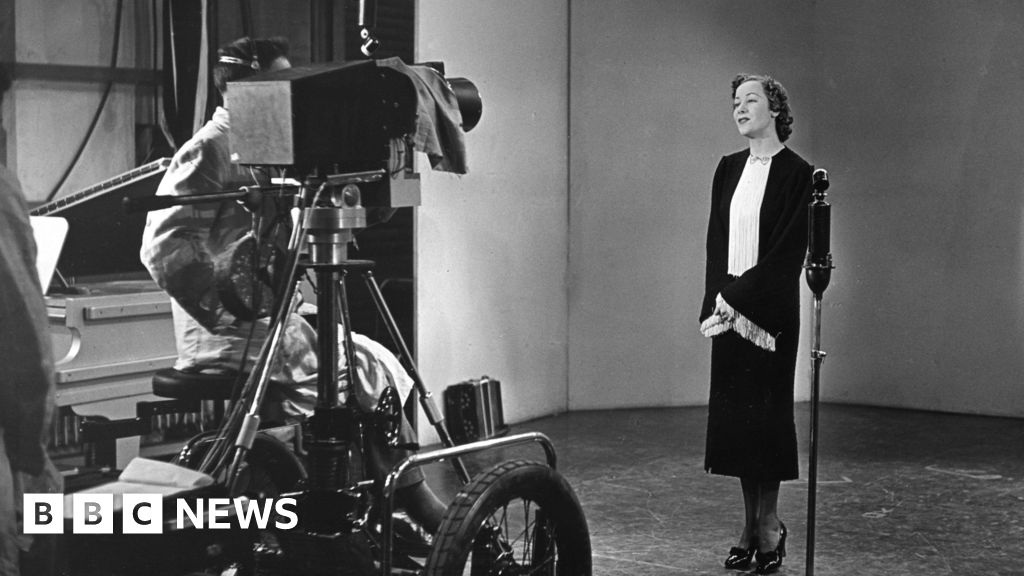
BBCThe BBC’s first television service will celebrate its 90th anniversary this year at its venue in north London.
Alexandra Palace, affectionately known as Ally Pally, will host a series of events to mark the birth of British TV, launched in November 1936.
A television heritage season will also run this autumn “for public engagement with interested groups and individuals” with an “overarching theme of innovation”.
Visitors will have the chance to get “closer to the palace’s television heritage” through tours of the historic BBC studios and a behind-the-scenes look into the broadcaster’s archive collections.
Organisers hope to use the anniversary to also mark “the significance of the site of the first television station”.
On the BBC website, David Hendy, professor in media and cultural history at the University of Sussex, said the world’s first regular, “high-definition” television service was broadcast from Ally Pally on Monday 2 November 1936.
At the time, the BBC argued that “high-definition” meant pictures made up of 240 lines or more.
It was something Prof Hendy believes the broadcaster did to mark itself out against a German TV service that began the year before, but only used 180 lines to transmit its images.
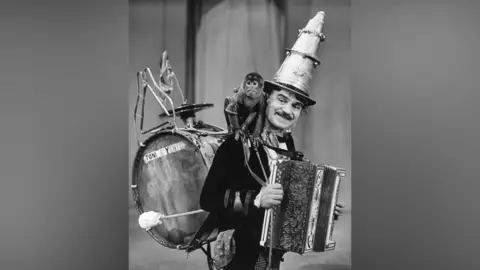
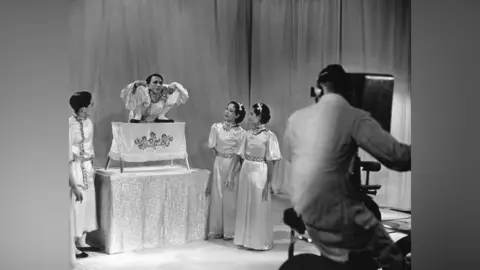
A report for the board of the historic venue said there will also be “a programme of talks, screenings and performance” leading up to the anniversary later this year, “aimed at family and inter-generational audiences”.
The anniversary will also be commemorated with a World Origin Site plaque. These are used to mark the people and places where “something truly ground-breaking was invented, discovered or first used”.
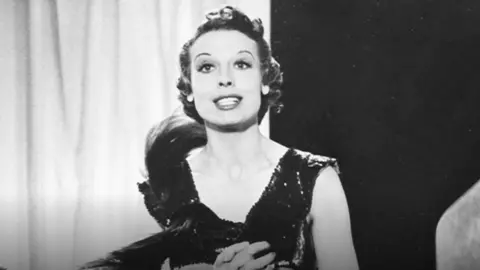
In the report Kirsten Forrest, interpretation and curatorial manager at Alexandra Park and Palace Charitable Trust, said the season represents “an ideal opportunity” to raise the profile of Ally Pally in regards to its place in TV history.
Visitors will have the chance to get “closer to the palace’s television heritage” through tours of the historic BBC studios and a behind-the-scenes look into the broadcaster’s archive collections.
Forrest said the ticketed events would also help the venue “gather data on audiences and engagement levels”.
“We already know that tours of the south-east wing and former studios are very popular, but we need to learn more about the appetite for different types of heritage engagement for the future,” she added.
Listen to the best of BBC Radio London on Sounds and follow BBC London on Facebook, X and Instagram. Send your story ideas to hello.bbclondon@bbc.co.uk
Original source: https://www.bbc.com/