
Prostate cancer is one of the most commonly diagnosed malignancies in men worldwide, making accurate diagnosis, documentation, and coding essential for effective patient care and medical billing. The use of ICD-10 prostate cancer codes ensures standardized communication among healthcare providers, insurers, and public health systems. Whether you’re a medical coder, healthcare professional, or student, understanding how these codes work is critical for clinical accuracy and compliance.
This guide provides a comprehensive overview of ICD-10 coding for prostate cancer, including classification, staging considerations, related conditions, and practical coding tips.
Understanding ICD-10 Coding System
The International Classification of Diseases, 10th Revision (ICD-10), is a globally recognized system used to classify and code diagnoses, symptoms, and medical conditions. Maintained by the World Health Organization, it allows healthcare systems to track diseases, analyze trends, and streamline billing.
ICD-10 codes are alphanumeric and structured to provide detailed information about a patient’s condition. In oncology, these codes not only identify the presence of cancer but also specify its location, stage, and related complications.
Primary ICD-10 Code for Prostate Cancer
The primary ICD-10 code used for prostate cancer is:
C61 – Malignant neoplasm of prostate
This code is used when a patient has a confirmed diagnosis of prostate cancer. It applies to cancers originating in the prostate gland, regardless of stage, unless further specificity is required through additional documentation.
Clinical Overview of Prostate Cancer
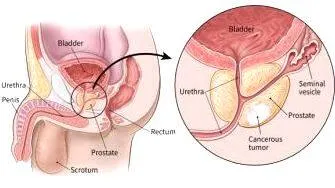
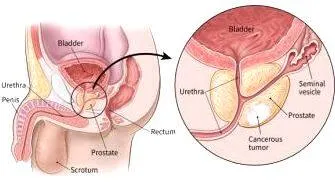
Prostate cancer develops in the prostate gland, which is part of the male reproductive system. It often grows slowly, but some forms can be aggressive and spread quickly.
Common risk factors include age, family history, ethnicity, and lifestyle factors. Symptoms may include difficulty urinating, blood in urine or semen, and pelvic discomfort, although early-stage prostate cancer is often asymptomatic.
Accurate coding of ICD-10 prostate cancer is vital for reflecting disease severity and guiding treatment strategies.
Secondary and Related ICD-10 Codes
While C61 is the primary code, additional codes may be used to provide a complete clinical picture.
Z85.46 – Personal history of malignant neoplasm of prostate
This code is used when a patient has a history of prostate cancer but no current active disease.
Z12.5 – Encounter for screening for malignant neoplasm of prostate
Used for routine prostate cancer screening, such as PSA testing.
C79.51 – Secondary malignant neoplasm of bone
This code applies when prostate cancer has metastasized to the bones, which is a common progression in advanced stages.
N40.0 – Benign prostatic hyperplasia without lower urinary tract symptoms
Though not cancer, this condition is often evaluated alongside prostate cancer and may coexist.
Proper use of these codes ensures comprehensive documentation and accurate reimbursement.
Staging and Its Impact on Coding
While ICD-10 does not directly encode cancer staging (such as TNM classification), clinical documentation often includes staging details that influence treatment decisions and coding specificity.
For example, metastatic prostate cancer requires additional secondary codes to indicate spread to other organs. Coders must rely on physician documentation to assign the appropriate combination of codes.
Importance of Accurate Coding
Accurate coding of ICD-10 prostate cancer is essential for several reasons
It ensures proper reimbursement for healthcare providers
It supports clinical decision-making and treatment planning
It contributes to national cancer registries and research
It minimizes claim denials and audits
Errors in coding can lead to financial losses and compliance issues, making precision critical.
Documentation Requirements
To assign the correct ICD-10 code, thorough documentation is required. Key elements include
Confirmed diagnosis of prostate cancer
Histological type if available
Stage or extent of disease
Presence of metastasis
Treatment status (active, remission, or history)
Clear and detailed physician notes help coders assign the most accurate codes.
Coding for Treatment and Follow-Up
Patients undergoing treatment for prostate cancer may require additional codes depending on the context.
Z51.11 – Encounter for antineoplastic chemotherapy
Z51.0 – Encounter for radiation therapy
Z08 – Follow-up examination after treatment for malignant neoplasm
These codes are used alongside C61 or history codes, depending on whether the cancer is still active.
Common Coding Mistakes to Avoid
One common mistake is using C61 when the cancer is no longer active. In such cases, Z85.46 should be used instead.
Another issue is failing to code metastases. If prostate cancer has spread, secondary malignancy codes must be included.
Using screening codes incorrectly is also a frequent error. Z12.5 should only be used when no diagnosis has been made and the patient is undergoing routine screening.
ICD-10 vs ICD-9 for Prostate Cancer
Before ICD-10, prostate cancer was coded using ICD-9 code 185. The transition to ICD-10 brought greater specificity and improved clinical detail.
ICD-10 allows for better tracking of disease patterns, more accurate billing, and enhanced data analytics, making it a significant advancement in medical coding.
Role of Coders in Oncology
Medical coders play a crucial role in oncology care. They translate clinical documentation into standardized codes that impact billing, reporting, and patient records.
In prostate cancer cases, coders must understand clinical terminology, treatment protocols, and disease progression to assign codes accurately.
Continuous education and staying updated with coding guidelines are essential for maintaining accuracy.
Integration with Electronic Health Records
Modern healthcare systems use electronic health records (EHRs) that integrate ICD-10 coding for efficiency. These systems often include prompts and validation tools to assist coders.
However, reliance on automation should not replace human judgment. Coders must review documentation carefully to ensure accuracy.
Future Trends in Cancer Coding
With advancements in precision medicine and genomics, future coding systems may incorporate molecular and genetic data.
ICD-11 is already being adopted in some regions and includes more detailed classifications for cancer types and stages.
Understanding current ICD-10 standards prepares professionals for future transitions.
Conclusion
The use of ICD-10 prostate cancer codes is a cornerstone of modern healthcare documentation and billing. From initial diagnosis to treatment and follow-up, accurate coding ensures clarity, compliance, and quality care.
By understanding the primary code C61, related codes, documentation requirements, and common pitfalls, healthcare professionals can improve coding accuracy and support better patient outcomes.
This guide serves as a practical resource for navigating the complexities of prostate cancer coding in the ICD-10 system.
Frequently Asked Questions
What is the ICD-10 code for prostate cancer
The primary code is C61, which represents malignant neoplasm of the prostate.
When should I use Z85.46 instead of C61
Use Z85.46 when the patient has a history of prostate cancer but no current active disease.
Can ICD-10 codes indicate cancer stage
No, ICD-10 codes do not directly include staging. However, additional codes can indicate metastasis or complications.
What code is used for prostate cancer screening
Z12.5 is used for screening encounters when no diagnosis has been made.
How do I code metastatic prostate cancer
Use C61 for the primary cancer and additional codes such as C79.51 to indicate metastasis to specific sites.
Is benign prostatic hyperplasia coded the same as prostate cancer
No, benign conditions like BPH use different codes such as N40.0 and are not classified as cancer.
Why is accurate ICD-10 coding important
It ensures proper billing, supports clinical care, reduces errors, and contributes to healthcare data analysis.
Do I need multiple codes for treatment visits
Yes, treatment-related encounters often require additional codes like Z51.11 for chemotherapy or Z51.0 for radiation therapy.
How often are ICD-10 codes updated
ICD-10 codes are updated annually, and coders should stay informed about changes.
Can incorrect coding affect patient care
Yes, inaccurate coding can lead to billing issues, treatment delays, and incomplete medical records.