
Accurate medical coding is the backbone of healthcare documentation, billing, and compliance. Among the most commonly coded conditions worldwide is high blood pressure, also known as hypertension. For coding professionals, mastering the nuances of high blood pressure ICD 10 code is essential to ensure precision, avoid claim denials, and maintain regulatory compliance. This article explores practical coding tips, common pitfalls, and best practices that can help professionals improve accuracy and efficiency when working with hypertension-related diagnoses.
Understanding High Blood Pressure in ICD 10
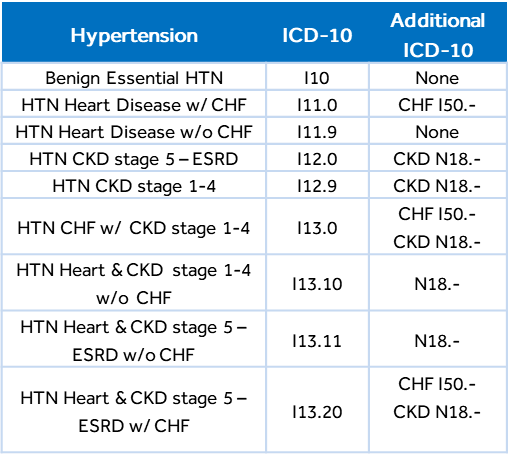
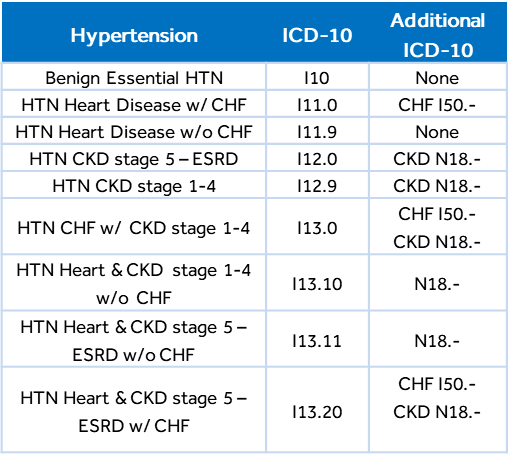
Hypertension is classified under a specific range in the ICD-10-CM system. The primary category for high blood pressure ICD 10 codes falls under I10–I16, which includes essential hypertension, hypertensive heart disease, hypertensive chronic kidney disease, and hypertensive crises.
The most commonly used code is I10, which refers to essential (primary) hypertension. This code is used when no specific complications or underlying causes are documented. However, coding becomes more complex when hypertension is associated with other conditions such as heart disease or chronic kidney disease.
Importance of Accurate Coding
Precision in coding high blood pressure ICD 10 is not just about documentation—it directly impacts reimbursement, quality reporting, and patient care data. Incorrect coding can lead to claim rejections, audits, or even compliance issues.
For instance, failing to link hypertension with chronic kidney disease when documented can result in undercoding. On the other hand, overcoding or assigning incorrect combinations may trigger audits. Therefore, coders must carefully interpret clinical documentation and apply the correct codes.
Key ICD 10 Categories for Hypertension
To code effectively, professionals must understand the major categories within the hypertension section:
Essential (Primary) Hypertension
Code I10 is used when hypertension is not linked to any other condition. This is the most straightforward and frequently used code in daily practice.
Hypertensive Heart Disease
Codes under I11 are used when hypertension is associated with heart conditions such as heart failure. Documentation must clearly indicate the relationship between hypertension and heart disease.
Hypertensive Chronic Kidney Disease
Codes under I12 apply when hypertension is linked to chronic kidney disease (CKD). Coders must also include an additional code to specify the stage of CKD.
Hypertensive Heart and Chronic Kidney Disease
Codes under I13 are used when both heart disease and kidney disease are present due to hypertension. These require multiple codes to fully capture the patient’s condition.
Hypertensive Crisis
Codes under I16 include hypertensive urgency, emergency, and unspecified crisis. These require clear documentation from the provider.
Coding Tips for High Blood Pressure ICD 10
One of the most important tips for coding high blood pressure ICD 10 is to always rely on provider documentation. Coders should never assume relationships between conditions unless clearly stated or guided by ICD-10 coding conventions.
Understand Combination Codes
ICD-10 often uses combination codes to capture multiple conditions in one code. For example, hypertensive heart disease with heart failure requires a combination code along with an additional code to specify the type of heart failure.
Follow Official Guidelines
The ICD-10-CM guidelines clearly state that hypertension and chronic kidney disease are assumed to be related unless otherwise documented. This means coders can assign a hypertensive CKD code even if the provider does not explicitly link the two.
Use Additional Codes When Required
Many hypertension codes require additional codes to specify severity or associated conditions. For example, CKD stages must always be coded separately.
Avoid Outdated Terminology
Terms like “benign” or “malignant” hypertension are no longer used in ICD-10 coding. Coders should focus on current terminology such as essential hypertension or hypertensive crisis.
Pay Attention to Documentation Details
Specificity is key. Coders should look for details such as whether the hypertension is controlled, uncontrolled, or associated with complications.
Common Mistakes to Avoid
Even experienced coders can make errors when dealing with high blood pressure ICD 10 codes. Recognizing these common mistakes can help improve accuracy.
Using I10 for All Cases
One of the most frequent errors is assigning I10 for every hypertension diagnosis. This ignores potential complications or related conditions that require more specific codes.
Missing Linkages Between Conditions
Failing to identify relationships between hypertension and heart or kidney disease can lead to incorrect coding. Always review documentation carefully.
Ignoring Additional Code Requirements
Many hypertension codes require additional codes for complete reporting. Skipping these can result in incomplete claims.
Overlooking Hypertensive Crisis Codes
Hypertensive urgency and emergency are distinct conditions and must be coded appropriately when documented.
Best Practices for Professional Coders
To maintain high standards in coding, professionals should adopt consistent best practices.
Stay Updated with Guidelines
ICD-10 codes and guidelines are updated annually. Keeping up with changes ensures compliance and accuracy.
Enhance Clinical Knowledge
Understanding the clinical aspects of hypertension helps coders interpret documentation more effectively.
Use Coding Resources
Leverage coding manuals, online tools, and professional training resources to stay informed.
Communicate with Providers
When documentation is unclear, querying the provider is always better than making assumptions.
Perform Regular Audits
Internal audits can help identify errors and improve coding quality over time.
Documentation Tips for Better Coding
Accurate coding begins with clear and detailed documentation. Coders should encourage providers to include:
The type of hypertension
Associated conditions such as heart or kidney disease
Severity and stage of related conditions
Any hypertensive crisis details
Better documentation leads to more accurate high blood pressure ICD 10 coding and reduces the risk of claim denials.
Real-World Coding Scenario
Consider a patient diagnosed with hypertension and stage 3 chronic kidney disease. According to ICD-10 guidelines, the coder should assign a code from I12 for hypertensive CKD along with an additional code for CKD stage 3.
If the coder only assigns I10, it would be an undercoding error. This example highlights the importance of understanding relationships and applying correct codes.
Role of Technology in Coding
Modern healthcare systems use electronic health records (EHRs) and coding software to streamline processes. These tools can assist in identifying appropriate high blood pressure ICD 10 codes, but they are not foolproof.
Coders must still review suggestions carefully and ensure they align with documentation. Technology should support, not replace, professional judgment.
Future Trends in Medical Coding
As healthcare evolves, coding practices are also changing. Automation, artificial intelligence, and data analytics are becoming more prominent in coding workflows.
However, human expertise remains essential, especially for complex conditions like hypertension with multiple comorbidities. Professionals who continuously upgrade their skills will remain valuable in this evolving landscape.
Conclusion
Mastering high blood pressure ICD 10 coding requires a combination of technical knowledge, attention to detail, and continuous learning. By understanding the different categories, following official guidelines, and avoiding common mistakes, coding professionals can ensure accuracy and compliance.
Accurate coding not only supports proper reimbursement but also contributes to better healthcare data and patient outcomes. With the right approach and consistent practice, professionals can confidently handle even the most complex hypertension coding scenarios.
Frequently Asked Questions (FAQ)
What is the ICD 10 code for high blood pressure
The most commonly used code is I10, which represents essential (primary) hypertension without complications.
When should I use a combination code for hypertension
Combination codes should be used when hypertension is associated with conditions like heart disease or chronic kidney disease, as specified in ICD-10 guidelines.
Do I always need an additional code with hypertension
Not always. However, additional codes are required when there are associated conditions such as CKD stages or specific heart conditions.
Is hypertension and chronic kidney disease always linked
According to ICD-10 guidelines, hypertension and CKD are presumed to be related unless the provider states otherwise.
What is the difference between hypertensive urgency and emergency
Hypertensive urgency involves severely high blood pressure without organ damage, while hypertensive emergency includes organ damage and requires immediate medical attention.
Can I use I10 for uncontrolled hypertension
Yes, ICD-10 does not differentiate between controlled and uncontrolled hypertension under I10 unless complications are documented.
Why is accurate hypertension coding important
Accurate coding ensures proper reimbursement, reduces claim denials, supports compliance, and improves patient data quality.
Should I query the provider for unclear documentation
Yes, querying is essential when documentation is incomplete or unclear to ensure accurate coding.
How often are ICD 10 codes updated
ICD-10 codes are typically updated annually, so coders should stay informed about the latest changes.
What is the biggest mistake in hypertension coding
The most common mistake is using I10 for all cases without considering related conditions or required additional codes.
read more