
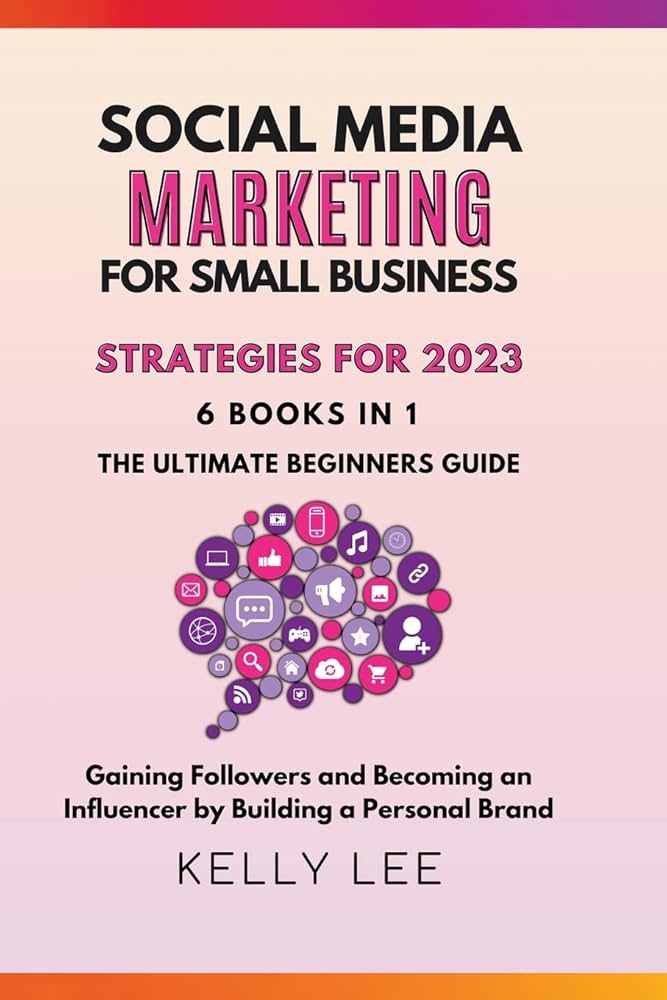

In today’s digital world, social media has become one of the most powerful tools for businesses of all sizes. Whether you own a local shop, online store, startup, or service-based company, social media can help you connect with customers, build trust, and increase sales. For many entrepreneurs, understanding social media marketing for small business beginners is the first step toward growing a successful brand online.
Social media marketing is no longer optional. Customers spend hours every day on platforms like Facebook, Instagram, LinkedIn, TikTok, Pinterest, and X (formerly Twitter). Small businesses that use these platforms effectively can compete with larger companies without spending huge amounts of money on advertising.
This guide will help beginners understand how social media marketing works, why it matters, and how to create a successful strategy.
What is Social Media Marketing?
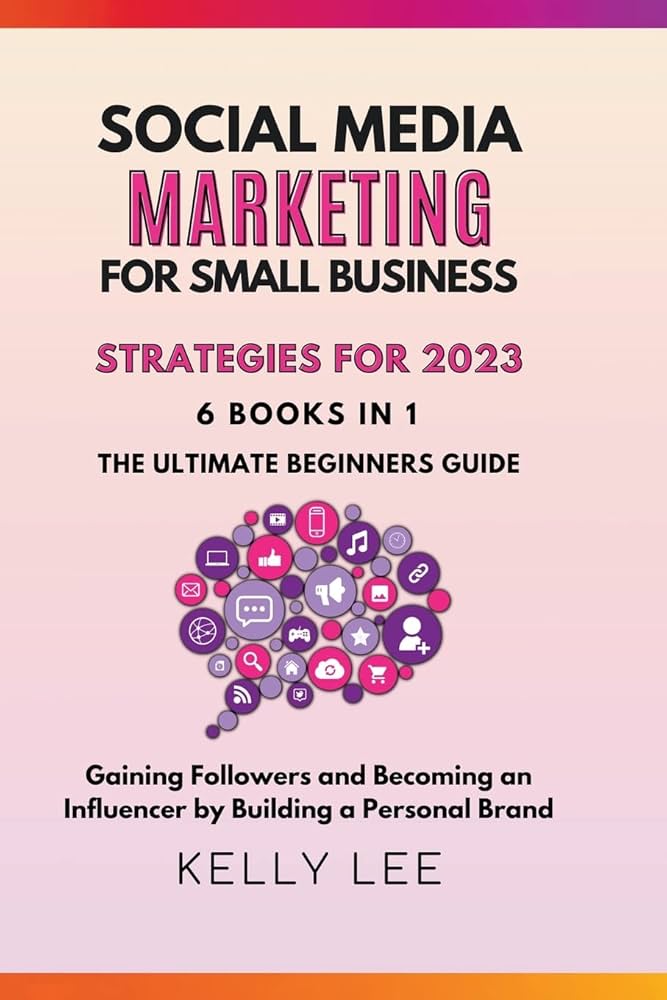
Social media marketing is the process of promoting a business, product, or service using social media platforms. It includes creating and sharing content such as images, videos, stories, reels, posts, and advertisements to attract customers and engage with followers.
The main goals of social media marketing are:
- Increase brand awareness
- Build customer relationships
- Generate website traffic
- Improve sales
- Grow a loyal audience
- Promote products and services
For beginners, social media marketing may seem confusing at first, but with consistency and the right strategy, it becomes much easier over time.
Why Social Media Marketing Matters for Small Businesses
Small businesses often have limited budgets compared to big brands. Social media offers an affordable and effective way to reach potential customers.
Cost-Effective Marketing
Most social media platforms are free to use. Even paid advertising is often cheaper than traditional marketing methods like TV, radio, or newspaper ads.
Direct Communication with Customers
Social media allows businesses to interact directly with customers through comments, messages, and posts. This creates trust and improves customer satisfaction.
Brand Visibility
Millions of people use social media daily. Posting regularly helps your business stay visible and recognizable.
Increased Website Traffic
Sharing blog posts, product pages, or promotions can drive visitors to your website.
Better Customer Insights
Social media platforms provide analytics that help businesses understand customer behavior, interests, and engagement.
Choosing the Right Social Media Platforms
One common mistake beginners make is trying to use every platform at once. Instead, focus on platforms where your target audience spends the most time.
Best for:
- Local businesses
- Community engagement
- Ads and promotions
Facebook is ideal for sharing updates, photos, events, and customer reviews.
Best for:
- Fashion
- Food
- Beauty
- Lifestyle brands
Instagram focuses heavily on visuals, reels, and stories.
Best for:
- B2B businesses
- Professional services
- Networking
LinkedIn works well for consultants, agencies, and business professionals.
TikTok
Best for:
- Younger audiences
- Creative video content
- Viral marketing
Short entertaining videos perform well on TikTok.
Best for:
- DIY
- Home decor
- Recipes
- Fashion
Pinterest can generate long-term traffic for businesses with visual products.
Creating a Social Media Strategy
A proper strategy is essential for successful social media marketing for small business beginners. Without a plan, posting randomly may not produce results.
Define Your Goals
Start by deciding what you want to achieve.
Examples:
- Increase followers
- Generate leads
- Improve sales
- Boost website traffic
- Build brand awareness
Clear goals help measure success.
Identify Your Target Audience
Understand who your customers are.
Consider:
- Age
- Gender
- Interests
- Location
- Buying habits
Knowing your audience helps create better content.
Analyze Competitors
Look at businesses similar to yours.
Observe:
- What content they post
- How often they post
- Which posts get the most engagement
This can inspire ideas for your own strategy.
Create a Content Plan
Plan your content in advance. A content calendar helps maintain consistency.
Include:
- Educational posts
- Promotional content
- Videos
- Customer testimonials
- Behind-the-scenes content
- Tips and tutorials
Types of Content That Work Best
Good content keeps followers interested and engaged.
Educational Content
Teach your audience something valuable.
Examples:
- Tips
- Tutorials
- Industry insights
- How-to videos
Educational content builds authority and trust.
Entertaining Content
Fun content increases shares and engagement.
Examples:
- Memes
- Reels
- Short videos
- Challenges
Promotional Content
Promote products, discounts, or services carefully without overwhelming followers.
User-Generated Content
Share customer reviews, testimonials, or photos using your products.
This builds trust and social proof.
Behind-the-Scenes Content
Show your team, workspace, or business process to create authenticity.
Importance of Consistency
Consistency is one of the biggest factors in social media success.
Posting regularly keeps your audience engaged and helps platforms recommend your content to more people.
Suggested Posting Frequency
- Facebook: 3–5 times weekly
- Instagram: Daily stories and 3–4 posts weekly
- LinkedIn: 2–3 posts weekly
- TikTok: 3–5 videos weekly
Quality matters more than quantity.
Using Hashtags Effectively
Hashtags help users discover your content.
Tips for Using Hashtags
- Use relevant hashtags
- Avoid overly generic hashtags
- Mix popular and niche hashtags
- Research trending hashtags in your industry
Example:
A bakery may use:
#Bakery #FreshBread #AhmedabadBakery #HomemadeDesserts
Understanding Social Media Algorithms
Social media platforms use algorithms to decide which content users see.
Algorithms often favor:
- High engagement
- Consistent posting
- Video content
- Relevant content
- Active accounts
Encourage likes, comments, shares, and saves to improve reach.
Social Media Advertising for Beginners
Organic reach can be limited, so paid advertising helps businesses reach more people quickly.
Benefits of Paid Ads
- Target specific audiences
- Increase sales
- Gain followers
- Promote offers
- Drive website traffic
Beginner-Friendly Ad Platforms
- Facebook Ads
- Instagram Ads
- TikTok Ads
Start with a small budget and test different ads.
Building Engagement with Followers
Engagement is more important than follower count.
Ways to Improve Engagement
- Reply to comments
- Ask questions
- Use polls and quizzes
- Create interactive stories
- Respond to messages quickly
People support brands that communicate genuinely.
The Power of Video Marketing
Video content performs extremely well on social media.
Popular formats:
- Reels
- Shorts
- Tutorials
- Product demos
- Live videos
Short videos often receive higher engagement than text posts.
Influencer Marketing for Small Businesses
You don’t need celebrities to promote your brand. Small businesses can work with micro-influencers who have smaller but highly engaged audiences.
Benefits include:
- Increased trust
- Better local reach
- Affordable promotion
- Authentic recommendations
Choose influencers relevant to your niche.
Common Mistakes Beginners Should Avoid
Many beginners make mistakes that slow growth.
Posting Without a Strategy
Random posting creates inconsistent branding.
Ignoring Analytics
Data helps improve future content.
Over-Promoting Products
Too many sales posts may reduce engagement.
Inconsistent Posting
Inactive accounts lose audience interest.
Buying Fake Followers
Fake followers do not engage or buy products.
Using Analytics to Improve Performance
Analytics help measure what works best.
Track:
- Reach
- Engagement
- Clicks
- Follower growth
- Website traffic
- Conversion rates
Most platforms offer free insights tools.
Best Free Tools for Social Media Marketing
Beginners can use free tools to simplify marketing.
Canva
Useful for creating professional graphics.
Meta Business Suite
Manage Facebook and Instagram in one place.
Buffer
Schedule posts in advance.
Google Analytics
Track website traffic from social media.
CapCut
Edit videos for TikTok and Instagram reels.
How Small Businesses Can Build Brand Identity
Brand identity helps customers recognize your business.
Use Consistent Branding
Maintain:
- Logo
- Colors
- Fonts
- Tone of voice
Share Your Story
People connect emotionally with authentic stories.
Be Authentic
Honest communication builds long-term trust.
Local Social Media Marketing Tips
Local businesses can use social media to attract nearby customers.
Use Location Tags
Tag your city or area in posts.
Encourage Reviews
Positive reviews improve trust and visibility.
Collaborate Locally
Partner with nearby businesses or creators.
Promote Local Events
Participate in community activities and share updates online.
Future Trends in Social Media Marketing
Social media constantly evolves. Beginners should stay updated with trends.
AI-Powered Content
Artificial intelligence tools help create captions, videos, and designs.
Short-Form Video Dominance
Reels and short videos will continue growing.
Social Commerce
Users increasingly shop directly through social apps.
Personalized Content
Customized experiences improve engagement.
How Long Does Social Media Marketing Take to Work?
Many beginners expect instant results. In reality, social media marketing takes time and consistency.
Typically:
- 1–3 months for initial engagement
- 3–6 months for audience growth
- 6–12 months for stronger business results
Patience and consistency are key.
Final Thoughts
Learning social media marketing for small business beginners may feel overwhelming initially, but it becomes easier with practice and consistency. The most important step is simply getting started.
Focus on creating valuable content, understanding your audience, and building genuine relationships. You do not need a massive budget or professional team to succeed. Small businesses can achieve remarkable growth through smart social media strategies.
Start with one or two platforms, stay consistent, track your progress, and improve over time. With dedication and creativity, social media can become one of the most effective marketing tools for your business.
FAQ
What is social media marketing for small business beginners?
It is the process of using social media platforms like Facebook, Instagram, LinkedIn, and TikTok to promote small businesses, attract customers, and increase sales.
Which social media platform is best for small businesses?
The best platform depends on your audience and business type. Facebook and Instagram are popular for most small businesses, while LinkedIn is better for professional services.
How often should a small business post on social media?
Most small businesses should post at least 3–5 times weekly to maintain engagement and visibility.
Is social media marketing free?
Creating accounts and posting content is free. However, paid advertising can help businesses reach larger audiences faster.
How long does it take to see results from social media marketing?
Results vary, but many businesses begin seeing noticeable engagement and growth within three to six months of consistent posting.
Can small businesses do social media marketing without hiring experts?
Yes, many small business owners manage their own social media successfully using free tools and basic marketing strategies.
What type of content works best on social media?
Videos, reels, tutorials, customer testimonials, educational posts, and behind-the-scenes content often perform best.
Why is engagement important on social media?
Engagement helps build trust, improve visibility, and strengthen relationships with customers.