
Coronary artery disease (CAD) is one of the most common and serious heart conditions worldwide. It develops when the coronary arteries that supply blood to the heart muscle become narrowed or blocked due to plaque buildup. Accurate diagnosis, documentation, and coding are essential not only for proper treatment but also for medical billing and record-keeping. This is where the icd 10 code coronary artery disease becomes highly important.
In this complete guide, you will understand what coronary artery disease is, how ICD-10 coding works, the correct codes used for CAD, and why they matter in healthcare systems.
What is Coronary Artery Disease?
Coronary artery disease occurs when the coronary arteries become damaged or diseased. This is usually caused by a buildup of cholesterol-containing deposits known as plaque. Over time, these deposits reduce blood flow to the heart, leading to symptoms like chest pain (angina), shortness of breath, or even heart attacks.
The condition develops gradually and may remain unnoticed until it becomes severe. Risk factors include smoking, high blood pressure, diabetes, obesity, lack of exercise, and unhealthy diet.
Understanding ICD-10 Coding
ICD-10 stands for the International Classification of Diseases, 10th Revision. It is a globally recognized system used by healthcare professionals to classify and code diagnoses, symptoms, and medical procedures.
The ICD-10 system ensures:
Accurate medical documentation
Standardized communication between healthcare providers
Efficient billing and insurance processing
Better tracking of disease patterns and statistics
Each disease or condition has a specific code, which helps in identifying it precisely.
ICD 10 Code Coronary Artery Disease
The icd 10 code coronary artery disease generally falls under the category I25, which represents chronic ischemic heart diseases.
Here are the most commonly used ICD-10 codes for coronary artery disease:
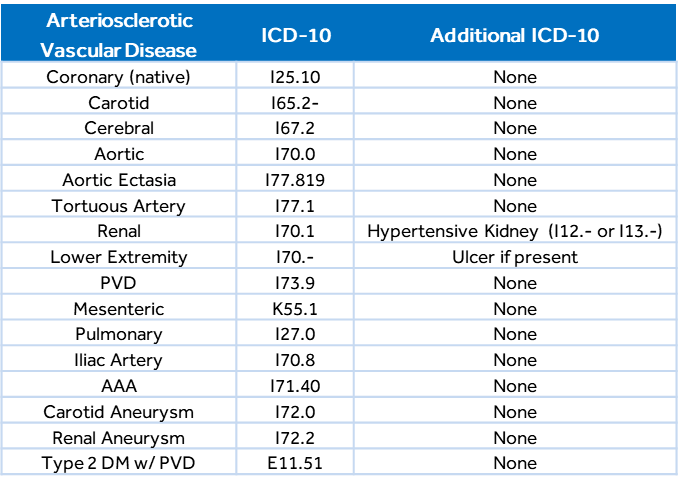
I25.10 – Atherosclerotic heart disease of native coronary artery without angina pectoris
I25.11 – Atherosclerotic heart disease of native coronary artery with angina pectoris
I25.2 – Old myocardial infarction
I25.5 – Ischemic cardiomyopathy
I25.6 – Silent myocardial ischemia
I25.7 – Atherosclerosis of coronary artery bypass graft
These codes may vary depending on the presence of symptoms, complications, or previous cardiac events.
Importance of Accurate Coding
Using the correct ICD-10 code is not just a technical requirement. It has real-world implications in healthcare.
Accurate coding helps doctors document the patient’s condition clearly. It ensures that insurance claims are processed without delays or rejections. It also plays a vital role in clinical research and public health reporting.
Incorrect coding can lead to claim denials, financial losses, and even legal complications in some cases.
Types of Coronary Artery Disease Covered Under ICD-10
Coronary artery disease is not a single condition. It includes several variations, each with its own ICD-10 classification.
Atherosclerotic coronary artery disease is the most common type and involves plaque buildup in the arteries.
Stable angina occurs when chest pain happens predictably during physical activity or stress.
Unstable angina is more serious and occurs unexpectedly, even at rest.
Silent ischemia refers to reduced blood flow without noticeable symptoms.
Each of these conditions may require a different ICD-10 code depending on severity and clinical findings.
Symptoms of Coronary Artery Disease
Recognizing symptoms is essential for early diagnosis and treatment. Common symptoms include:
Chest pain or discomfort
Shortness of breath
Fatigue
Pain in arms, neck, jaw, or back
Nausea or dizziness
Some people, especially those with diabetes, may not experience obvious symptoms, making regular checkups important.
Causes and Risk Factors
Several factors contribute to the development of coronary artery disease. The most common cause is atherosclerosis, which involves plaque buildup in the arteries.
Major risk factors include:
High cholesterol levels
Smoking
High blood pressure
Diabetes
Obesity
Sedentary lifestyle
Family history of heart disease
Managing these risk factors can significantly reduce the chances of developing CAD.
Diagnosis of Coronary Artery Disease
Doctors use a variety of tests to diagnose coronary artery disease. These include:
Electrocardiogram (ECG)
Stress testing
Echocardiogram
Coronary angiography
CT scans
The diagnosis determines which icd 10 code coronary artery disease will be assigned in the patient’s medical record.
Treatment Options
Treatment for coronary artery disease depends on its severity and underlying causes. It typically involves a combination of lifestyle changes, medications, and medical procedures.
Lifestyle changes include adopting a healthy diet, exercising regularly, quitting smoking, and managing stress.
Medications may include cholesterol-lowering drugs, blood pressure medications, and blood thinners.
In more severe cases, procedures like angioplasty, stent placement, or coronary artery bypass surgery may be required.
Role of ICD-10 in Medical Billing
Medical billing relies heavily on ICD-10 codes. When a healthcare provider diagnoses coronary artery disease, the appropriate code must be included in the patient’s records.
Insurance companies use these codes to determine coverage and reimbursement. Proper use of the icd 10 code coronary artery disease ensures that healthcare providers are paid correctly for their services.
It also helps avoid claim denials and delays, which can impact both patients and providers.
Common Coding Mistakes to Avoid
Even experienced professionals can make errors in ICD-10 coding. Some common mistakes include:
Using unspecified codes when more specific ones are available
Failing to document the presence of angina
Not updating codes after new diagnoses or complications
Incorrectly coding old myocardial infarctions
Avoiding these mistakes improves accuracy and ensures compliance with medical standards.
Documentation Tips for Accurate Coding
Good documentation is essential for selecting the correct ICD-10 code. Healthcare providers should clearly record:
Type of coronary artery disease
Presence or absence of angina
History of heart attacks
Any related conditions or complications
Detailed documentation helps coders assign the most accurate code.
Preventing Coronary Artery Disease
While CAD is a serious condition, it is often preventable. Adopting a healthy lifestyle can significantly reduce the risk.
Eat a balanced diet rich in fruits, vegetables, and whole grains
Exercise regularly
Maintain a healthy weight
Avoid smoking and excessive alcohol consumption
Manage stress effectively
Keep blood pressure and cholesterol levels under control
Prevention not only improves quality of life but also reduces healthcare costs.
Why This Topic Matters
Understanding the icd 10 code coronary artery disease is important for healthcare providers, medical coders, and even patients. It ensures proper diagnosis, treatment, and financial processes.
With heart disease being a leading cause of death globally, accurate coding plays a key role in improving healthcare outcomes and tracking disease trends.
Frequently Asked Questions (FAQ)
What is the ICD 10 code for coronary artery disease?
The most commonly used code is I25.10, which refers to atherosclerotic heart disease of native coronary artery without angina pectoris. However, the exact code depends on the patient’s condition and symptoms.
What does I25.10 mean?
I25.10 indicates coronary artery disease without angina. It is used when there is plaque buildup in the arteries but no chest pain symptoms are reported.
How is coronary artery disease diagnosed?
It is diagnosed using tests like ECG, stress tests, angiography, and imaging scans. The results determine the severity and type of disease.
Why is ICD-10 coding important?
ICD-10 coding ensures accurate medical records, proper billing, and effective communication among healthcare providers.
Can coronary artery disease be cured?
While it cannot be completely cured, it can be managed effectively with lifestyle changes, medications, and medical procedures.
What is the difference between stable and unstable angina?
Stable angina occurs during physical activity and follows a predictable pattern. Unstable angina is more serious and can occur suddenly, even at rest.
Is coronary artery disease hereditary?
Yes, genetics can play a role. If you have a family history of heart disease, your risk may be higher.
How can I prevent coronary artery disease?
You can reduce your risk by maintaining a healthy lifestyle, eating well, exercising, avoiding smoking, and managing stress.
Conclusion
Coronary artery disease is a major health concern that requires timely diagnosis and proper management. The icd 10 code coronary artery disease is an essential part of the healthcare system, helping professionals accurately document and treat this condition.
By understanding these codes, healthcare providers can improve patient care, ensure accurate billing, and contribute to better health outcomes. Whether you are a medical professional or someone looking to learn more, having a clear understanding of ICD-10 coding for CAD is highly valuable.