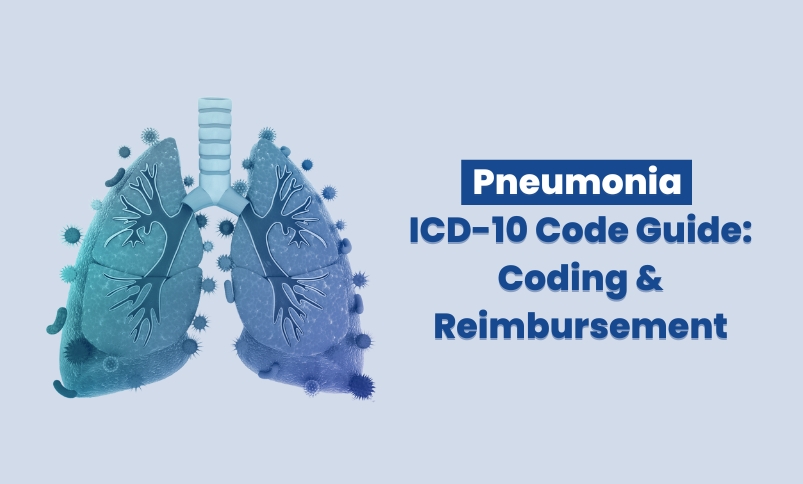

Pneumonia is one of the most common respiratory conditions affecting people of all ages across the globe. Whether caused by bacteria, viruses, or fungi, this infection can range from mild to life-threatening if not properly diagnosed and treated. In the world of medical documentation and billing, precision matters. That’s where the ICD-10 code for pneumonia becomes essential.
Accurate coding not only ensures proper reimbursement but also supports clear communication between healthcare providers, insurers, and researchers. This guide explores everything you need to know about the ICD-10 code for pneumonia, including its categories, clinical importance, and how to apply it correctly.
Understanding ICD-10 Codes
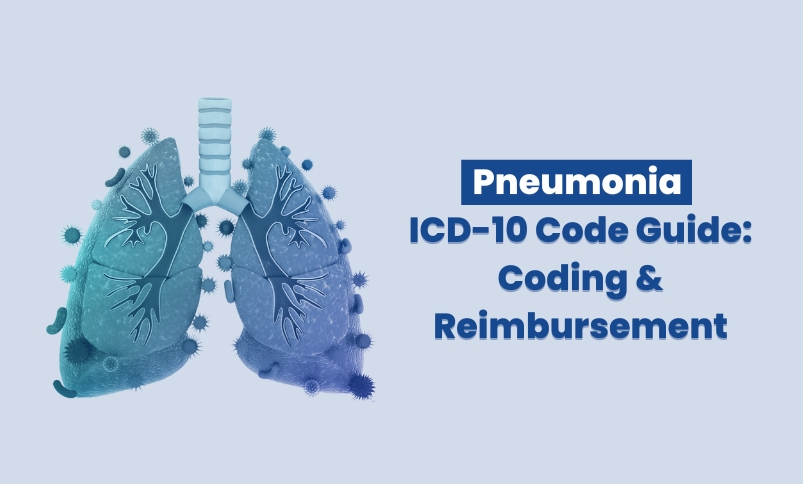
The International Classification of Diseases, 10th Revision (ICD-10), is a globally recognized system used to classify and code diseases, symptoms, and medical procedures. Healthcare professionals rely on this system to maintain standardized records and streamline the billing process.
Each condition is assigned a unique alphanumeric code. These codes provide detailed information about the diagnosis, including the cause, location, and severity of the disease.
What Is the ICD-10 Code for Pneumonia
The ICD-10 code for pneumonia falls under the category J12 to J18. This range covers different types of pneumonia based on their underlying causes. Some of the most commonly used codes include:
J12 Viral pneumonia, not elsewhere classified
J13 Pneumonia due to Streptococcus pneumoniae
J14 Pneumonia due to Haemophilus influenzae
J15 Bacterial pneumonia, not elsewhere classified
J16 Pneumonia due to other infectious organisms
J17 Pneumonia in diseases classified elsewhere
J18 Pneumonia, unspecified organism
Among these, J18.9 (Pneumonia, unspecified organism) is frequently used when the exact cause has not yet been identified.
Importance of Accurate Pneumonia Coding
Using the correct ICD-10 code for pneumonia is not just about billing. It plays a critical role in several areas of healthcare:
Accurate Diagnosis Documentation
Precise coding reflects the patient’s actual condition. It ensures that the medical record clearly communicates the diagnosis and supports clinical decisions.
Insurance Reimbursement
Incorrect or vague coding can lead to claim denials or delays. Using the right ICD-10 code for pneumonia helps healthcare providers receive timely payments.
Public Health Tracking
Health authorities use coded data to monitor disease trends, outbreaks, and healthcare outcomes. Accurate coding contributes to better public health strategies.
Clinical Research
Researchers rely on ICD-10 codes to study disease patterns, treatment outcomes, and effectiveness of interventions.
Types of Pneumonia and Their Codes
Pneumonia can be classified in multiple ways, and the ICD-10 system reflects this diversity.
Viral Pneumonia
This type is caused by viruses such as influenza or respiratory syncytial virus. It is coded under J12. For example, J12.9 refers to viral pneumonia, unspecified.
Bacterial Pneumonia
Bacterial infections are among the most serious forms of pneumonia. Codes like J13 and J15 are used depending on the specific bacteria identified.
Aspiration Pneumonia
Although not always grouped directly under J12–J18, aspiration pneumonia is coded separately (e.g., J69). It occurs when food, liquid, or vomit is inhaled into the lungs.
Pneumonia Due to Other Diseases
Sometimes pneumonia develops as a complication of another condition. In such cases, J17 is used along with the primary disease code.
Unspecified Pneumonia
When the cause is unknown, J18.9 is assigned. While this is convenient, it is best used only when necessary, as more specific coding is preferred.
Clinical Documentation Tips for Pneumonia Coding
Proper documentation is the foundation of accurate coding. Healthcare providers should ensure that medical records include:
The type of pneumonia (viral, bacterial, etc.)
The causative organism, if known
Severity of the condition
Associated complications
Patient history and risk factors
Clear documentation enables coders to select the most appropriate ICD-10 code for pneumonia.
Common Coding Mistakes to Avoid
Even experienced professionals can make errors when coding pneumonia. Here are some common pitfalls:
Using Unspecified Codes Too Often
While J18.9 is widely used, overreliance on unspecified codes can reduce data accuracy and affect reimbursement.
Ignoring Underlying Conditions
If pneumonia is a result of another disease, both conditions must be coded correctly.
Incorrect Sequencing
The primary diagnosis should be listed first, followed by secondary conditions. Misordering can lead to claim rejections.
Lack of Specificity
Failing to identify the organism when test results are available can result in incomplete coding.
Role of Diagnostic Tests in Coding
Diagnostic tools play a crucial role in determining the correct ICD-10 code for pneumonia. These may include:
Chest X-rays
Blood tests
Sputum cultures
CT scans
The results help identify the type and cause of pneumonia, allowing for more specific coding.
Pneumonia Coding in Different Healthcare Settings
Coding practices may vary slightly depending on the healthcare setting.
Hospital Settings
In hospitals, pneumonia coding often involves detailed documentation and multiple codes, especially if complications are present.
Outpatient Clinics
In clinics, coding may be simpler, but accuracy is still essential for proper billing.
Emergency Departments
Emergency cases often use initial unspecified codes, which may later be updated once test results are available.
Impact of Accurate Coding on Patient Care
Accurate coding does more than support administrative processes. It directly impacts patient care.
Improved Treatment Plans
Clear diagnosis helps doctors choose the most effective treatment.
Better Communication
Accurate records ensure seamless communication between healthcare providers.
Enhanced Patient Safety
Proper documentation reduces the risk of errors and improves overall care quality.
Updating and Staying Compliant
ICD-10 codes are updated periodically to reflect new medical knowledge and practices. Healthcare professionals must stay informed about these updates to maintain compliance.
Regular training, coding audits, and the use of updated coding manuals can help ensure accuracy.
Future of Pneumonia Coding
With advancements in healthcare technology, coding is becoming more precise and efficient. Electronic health records and AI-assisted coding tools are helping reduce errors and improve accuracy.
However, human expertise remains essential. Understanding the nuances of the ICD-10 code for pneumonia ensures that coding reflects real clinical scenarios.
Frequently Asked Questions
What is the most commonly used ICD-10 code for pneumonia
The most commonly used code is J18.9, which stands for pneumonia, unspecified organism. It is used when the exact cause is not identified.
Why is it important to use a specific ICD-10 code for pneumonia
Specific codes provide better clinical detail, improve reimbursement accuracy, and support public health data collection.
Can pneumonia have multiple ICD-10 codes
Yes, if pneumonia is associated with other conditions or complications, multiple codes may be required.
What is the ICD-10 code for bacterial pneumonia
Bacterial pneumonia is typically coded under J13 to J15, depending on the organism responsible.
Is J18.9 acceptable for all pneumonia cases
While it is acceptable, it should only be used when the cause is unknown. More specific codes are preferred whenever possible.
How do doctors determine the correct code
Doctors rely on clinical evaluation, diagnostic tests, and patient history to identify the type of pneumonia and assign the appropriate code.
Does pneumonia coding differ for children and adults
The coding structure is the same, but the diagnosis and documentation may vary based on age and clinical presentation.
What happens if the wrong ICD-10 code is used
Incorrect coding can lead to claim denials, delayed payments, and inaccurate medical records.
Conclusion
The ICD-10 code for pneumonia is a vital component of modern healthcare documentation. It ensures that diagnoses are recorded accurately, supports efficient billing processes, and contributes to better patient care. By understanding the different codes, avoiding common mistakes, and maintaining clear documentation, healthcare professionals can achieve greater accuracy and efficiency.
As the healthcare industry continues to evolve, staying updated with coding practices will remain essential. Accurate use of the ICD-10 code for pneumonia not only benefits providers but also plays a key role in improving overall healthcare outcomes.
read more