

Why high energy bills look like they are here to stay

 Getty Images
Energy bills may have been a long way from our minds through the sweltering summer.
Clothes on a washing line have been drying in minutes. Cold showers have been more tempting than hot ones.
But the latest news and forecasts on gas prices will bring a renewed sense of worry and urgency to families, as well as government ministers.
Energy prices will rise by nearly 4% for millions of households in October. Even more striking is a prediction from the respected consultancy Cornwall Insight of a further 9% increase at the peak of winter in January.
With ongoing volatility in the wholesale gas market sparked by events in the Gulf region, the energy sector says high prices are here to stay.
EDF suggests bills will remain “stubbornly high” at their current level at least until the end of the decade.
As prices rise, so does debt
High bills have, and continue to, bite. Energy prices have been central to the cost-of-living squeeze.
The typical household’s dual-fuel bill is now 70% higher than it was at the start of 2021, before Russia’s invasion of Ukraine.
That amounts to around £600 more each year than pre-crisis levels, according to industry body Energy UK.
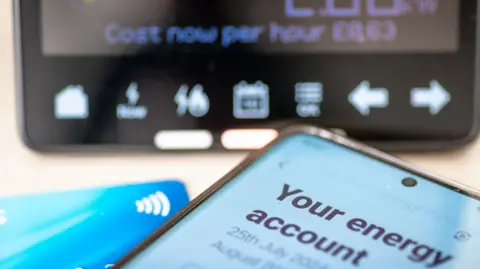
Inevitably, more and more people have been unable to pay. Unpaid energy debt of more than three months is now at a record high, according to regulator Ofgem.
Suppliers, who chart debt levels for missed payments of a month or more, estimate total unpaid bills and charges to have reached £6bn. By the end of the year, they expect that to rise to £7bn.
The average household in debt, without a repayment plan, owes more than the typical annual bill.
And even if you are not in debt, you pay. Covering the cost of debt already adds about £60 to the average annual bill. Consultancy Baringa says everyone could, on average, be paying £100 to cover the cost of unpaid debts by the end of the year.
Someone who pays their bill on demand every three months, rather than a monthly direct debit, is typically already paying £150 a year to cover debt of others, owing to the greater risk of non-payment on this type of bill.
So, pressure on the government to help those most in need will only intensify.
Ofgem has a proposed debt relief scheme on the table, and campaigners keep telling them to get on with it, urging the government as to provide funding for it to be implemented.
 Getty Images
Charities and the industry also want ministers to introduce a discounted tariff for those who need it most – based on benefits, health and income data.
Energy UK says a targeted plan would cost £1.9bn. That would be much cheaper than the £40bn commitment to protect everyone’s bills after Russia invaded Ukraine.
But, who would pay? It could go on everyone else’s bills. Or ministers could opt to raise taxes, borrow the money, or cancel spending elsewhere – all of which are tricky political choices.
We’ve all done our bit
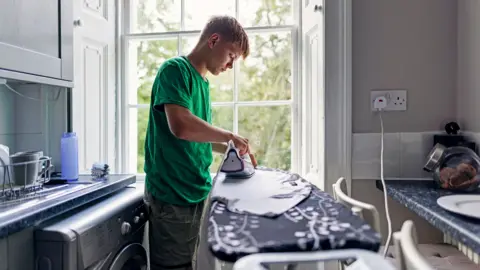
Those who can have cut back on their energy use to reduce bills in recent years. Thermostats up and down the country have not been set as high as before. Batch cooking is more common.
So much so that Ofgem’s official calculations for typical energy consumption were lowered again in July (to 9,500 kWh of gas and 2,500 kWh of electricity a year).
Millions have shifted onto fixed tariffs, with 35% of billpayers on such a deal.
So, many can justifiably say they have done their bit. Others who are older or who have health conditions might not have the luxury of lowering their energy use.
So, community warm hubs have become popular. Some became cold hubs during the hot summer so people could make use of the air con.
The heatwave has reduced the amount of energy stored across Europe, which needs to be restocked, piling more pressure on prices.
Add to that the huge cost of upgrading the UK’s electricity network and you can see why there are predictions of longstanding high energy bills – irrespective of whether a lasting peace in the Iran war brings down the international price of wholesale gas.
All eyes on the Budget
In the long-term, the government and Ofgem wants to shift the country away from our reliance on gas, with its volatile international pricing.
Expect lots of fanfare over the sale, for the first time in the UK, of plug-in solar panels.
In the short-term ministers – and the new prime minister – say they are helping where they can, and promising that there is “more to do”.
VAT will be cut on electricity bills in October. It means the price of electricity will fall, but that’s been more than outstripped by an 8% rise in the price of gas.
In the last Budget, then-Chancellor Rachel Reeves cut some so-called policy costs and shifted some onto general taxation instead.
Ministers may be tempted to do more of that, but could face be criticised for simply shifting the burden off bills and onto taxes.
So, the options are limited. The new chancellor, John Healey, has choices to make – with lots of calls for help but with limited room for manoeuvre in the public finances.
All eyes will be on his first Budget, which comes soon after those higher autumn energy bills kick in.

Original source: https://www.bbc.com/
